Childproof Home Security: A Complete Parent’s Safety Guide
As soon as your little one starts crawling or walking, every corner of your home suddenly looks different—and a bit riskier. Setting up childproof home security isn’t just about locks on the main door; it’s about creating a safe environment throughout your entire house.
Many parents focus only on external security like cameras and alarms, forgetting that internal hazards—sharp corners, open sockets, unsecured cabinets—pose just as much risk to curious toddlers.
This guide walks you through practical childproof home security measures, combining traditional safety gadgets with smart technology, so you can protect your children while keeping your home secure from outside threats too.
Let’s make your home safer, room by room.
1. Secure Electrical Outlets and Wiring
Electrical hazards are among the most common dangers for young children exploring on their own.
- Install outlet covers or safety plugs on all accessible sockets
- Use cord organizers to keep wires out of reach
- Cover power strips with childproof boxes
- Replace exposed or damaged wiring immediately
Example: A Delhi-based parent installed outlet covers across their 2BHK apartment for under ₹500, significantly reducing electrical hazards within a single weekend.
(Internal link suggestion: Link to “Electrical Safety Tips for Homes with Young Children”)
2. Install Smart Door and Window Locks
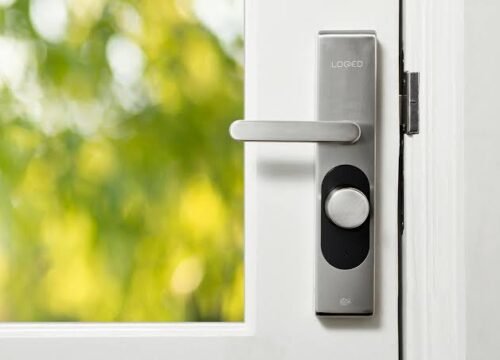
Modern smart locks are a core part of any effective childproof home security setup, preventing children from wandering outside unsupervised.
Smart Lock Features to Look For:
- App-based monitoring to check door status remotely
- Auto-lock functionality after a set time
- Child-safety mode that requires extra force or a code to open
- Alerts sent to your phone when doors are opened
These smart locks not only keep intruders out but also prevent toddlers from unexpectedly opening doors and wandering off.
3. Add Safety Gates at Key Access Points
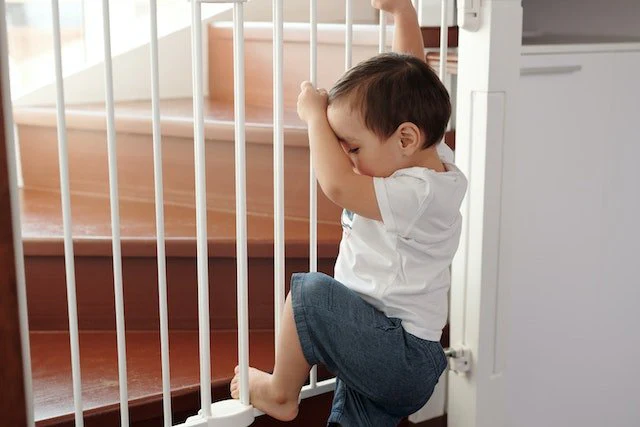
Safety gates are a simple, effective barrier for staircases, kitchens, and other high-risk areas.
- Install gates at the top and bottom of staircases
- Use gates to block off kitchens during cooking
- Choose gates with a secure, adult-only opening mechanism
- Ensure gates are mounted firmly to walls or banisters
Safety gates remain one of the most trusted tools among parents for childproof home security, especially in multi-level homes.
4. Use Smart Cameras for Monitoring
Indoor cameras offer peace of mind, letting you keep an eye on children even when you’re in another room.
- Place cameras in play areas, nurseries, and living rooms
- Choose cameras with two-way audio for quick communication
- Set up motion alerts for unexpected movement near stairs or doors
- Ensure camera apps have strong password protection
Tip: Position cameras at a height children can’t reach or tamper with, and avoid placing them in private spaces like bathrooms.
(Internal link suggestion: Link to “Best Smart Home Cameras for Indian Households”)
5. Secure Cabinets and Sharp Furniture Edges
Cabinets storing cleaning supplies, medicines, or sharp objects need extra protection in a childproof home.
- Install childproof cabinet locks in kitchens and bathrooms
- Store medicines and chemicals in high, locked cabinets
- Add corner guards on tables and sharp furniture edges
- Anchor heavy furniture like bookshelves to the wall
These measures prevent common household accidents that occur when children access areas meant for adults only.
6. Set Up a Comprehensive Home Alarm System
A well-configured alarm system protects your home from external threats while supporting your childproof home security goals.
- Install door and window sensors that trigger alerts when opened
- Use motion sensors in unused rooms during the day
- Add a panic button accessible to older children in emergencies
- Choose a system with 24/7 monitoring for added protection
A reliable alarm system ensures your family stays protected from both external intrusions and accidental wandering.
7. Childproof Balconies and Windows
Balconies and windows present serious fall risks, especially in multi-story Indian apartments.
- Install window guards or safety grills on all accessible windows
- Add balcony netting to prevent falls or objects being thrown
- Keep furniture away from windows to prevent climbing access
- Use window locks that limit how far windows can open
These additions are essential for childproof home security in high-rise buildings common across Indian cities.
(Internal link suggestion: Link to “Balcony Safety Tips for Homes with Kids”)
8. Create a Family Safety Plan
Beyond physical security measures, having a clear plan ensures everyone knows what to do in an emergency.
- Teach older children how to use the panic button or call for help
- Keep emergency contact numbers visible near the main door
- Practice a simple fire or emergency evacuation route
- Regularly test all security devices to ensure they’re working
A complete safety plan brings together technology and family preparedness for comprehensive protection.
Frequently Asked Questions
1. What is the best way to childproof a home security system? Combine smart locks, safety gates, monitored cameras, and secured outlets to create layered protection for children throughout the home.
2. Are smart locks safe for homes with young children? Yes, most smart locks offer child-safety modes and app monitoring, making them safer than traditional locks for families with kids.
3. How do I childproof balconies in an apartment? Install window guards, balcony netting, and locks that limit window opening to prevent falls, especially in high-rise buildings.
4. What safety gadgets are essential for toddlers at home? Outlet covers, cabinet locks, corner guards, and safety gates are essential gadgets for protecting toddlers around the house.
5. Can home security cameras help monitor children safely? Yes, indoor cameras with motion alerts and two-way audio allow parents to monitor children remotely while maintaining privacy in personal spaces.
6. How much does childproofing a home cost in India? Basic childproofing with outlet covers, cabinet locks, and corner guards typically costs a few thousand rupees, while smart locks and cameras add to the budget.
Conclusion
Building an effective childproof home security setup means combining smart technology with practical safety measures—from secured outlets and safety gates to smart locks and monitored cameras. Together, these steps protect your children both from everyday household hazards and outside risks.
Start with the basics this week: secure your outlets, add safety gates, and childproof your cabinets. As your child grows, continue upgrading your home’s safety features so you can enjoy peace of mind at every stage.