How to Start a Kitchen Garden at Home: Beginner’s Guide
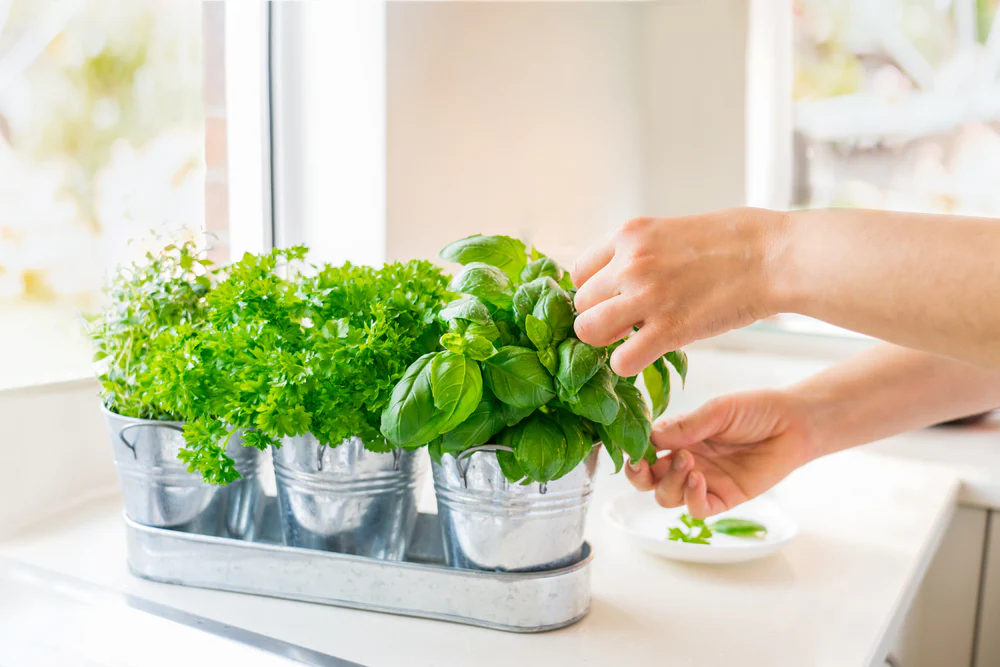
Imagine plucking fresh coriander, tomatoes, or curry leaves straight from your balcony whenever your recipe calls for them. Learning how to start a kitchen garden at home makes this everyday reality possible, even for complete beginners with limited space.
More Indian families are turning to kitchen gardening—not just for fresh, pesticide-free produce, but also as a relaxing hobby that connects them with nature amid busy city life.
This step-by-step guide walks you through exactly how to start a kitchen garden, whether you have a large backyard, a small balcony, or just a sunny windowsill to work with.
Let’s get your hands dirty and begin.
1. Choose the Right Location
Before buying seeds or containers, identify the best spot in your home for growing plants.
- Look for areas receiving at least 4-6 hours of direct sunlight daily
- Balconies facing east or south typically get the best morning sun
- Avoid spots with strong winds that can damage delicate seedlings
- Consider proximity to a water source for easy daily watering
Example: A Pune resident started with just a 3×3 foot balcony space and successfully grew tomatoes, chillies, and mint within their first season.
(Internal link suggestion: Link to “Best Balcony Gardening Ideas for Small Apartments”)
2. Select Containers or Garden Beds
Your available space determines whether you’ll use containers, raised beds, or a traditional garden plot.
Container Options:
- Terracotta pots for good drainage and breathability
- Plastic containers for lightweight, affordable options
- Grow bags for flexible, space-saving vertical gardening
- Recycled containers like buckets or crates for a budget-friendly start
Ensure any container has adequate drainage holes to prevent waterlogging, which is one of the most common mistakes beginners make.
3. Prepare Quality Soil
Good soil is the foundation of a thriving kitchen garden, providing essential nutrients for healthy plant growth.
- Use a mix of garden soil, compost, and cocopeat for good drainage
- Add organic compost or vermicompost to enrich nutrient content
- Avoid soil that feels overly compact or clay-heavy
- Test drainage by watering and checking if water flows through easily
A well-balanced soil mix reduces the need for chemical fertilizers and supports stronger root development from the start.
(Internal link suggestion: Link to “How to Make Compost at Home for Your Garden”)
4. Choose Easy-to-Grow Vegetables for Beginners
Starting with low-maintenance plants builds confidence before moving to more demanding crops.
- Tomatoes grow well in containers and yield consistently
- Coriander and mint are fast-growing and require minimal care
- Chillies thrive in Indian climates with moderate watering
- Spinach and fenugreek (methi) grow quickly, ready for harvest in weeks
These beginner-friendly options are ideal when learning how to start a kitchen garden without feeling overwhelmed.
5. Establish a Watering Routine
Overwatering and underwatering are the two most common mistakes new gardeners make.
- Water early morning or late evening to reduce evaporation loss
- Check soil moisture by inserting a finger an inch deep before watering
- Reduce watering frequency during monsoon season to prevent root rot
- Increase watering slightly during hot summer months
Tip: Most vegetables prefer consistently moist soil rather than alternating between bone-dry and waterlogged conditions.
6. Provide Proper Nutrition and Fertilization
Plants need regular nutrition beyond what initial soil preparation provides, especially in containers.
- Add organic compost every 2-3 weeks for steady nutrient supply
- Use diluted liquid fertilizers for flowering and fruiting plants
- Avoid over-fertilizing, which can burn roots and harm plants
- Rotate between compost and natural fertilizers like neem cake for pest resistance
Consistent, moderate feeding produces healthier plants than occasional heavy doses of fertilizer.
(Internal link suggestion: Link to “Organic Fertilizers Every Home Gardener Should Try”)
7. Protect Your Garden from Pests Naturally
Pest management is essential knowledge for anyone learning how to start a kitchen garden successfully.
- Use neem oil spray as a natural, safe pesticide
- Introduce companion planting, like marigolds, to repel harmful insects
- Handpick larger pests like caterpillars regularly
- Maintain good air circulation to prevent fungal issues
Natural pest control methods keep your vegetables safe for consumption while protecting the broader garden ecosystem.
8. Harvest and Maintain Your Garden Regularly
Regular harvesting encourages continued growth and keeps plants healthy and productive.
- Harvest leafy greens like spinach and coriander regularly to encourage regrowth
- Pick tomatoes and chillies when fully ripe for the best flavor
- Prune dead or yellowing leaves to redirect energy to healthy growth
- Rotate crops seasonally to maintain soil health and prevent nutrient depletion
Consistent maintenance ensures your kitchen garden remains productive throughout the growing season.
Frequently Asked Questions
1. How do I start a kitchen garden with no prior experience? Begin with easy plants like tomatoes, coriander, and mint in containers with good soil, sunlight, and a consistent watering routine.
2. What is the minimum space needed for a kitchen garden? Even a small balcony with 3-4 hours of sunlight and a few containers is enough to start a productive kitchen garden.
3. How often should I water my kitchen garden plants? Water when the top inch of soil feels dry, typically every 1-2 days depending on weather and plant type.
4. What vegetables grow best in Indian kitchen gardens? Tomatoes, chillies, coriander, mint, spinach, and fenugreek are among the easiest and most popular options for beginners.
5. How do I keep pests away from my kitchen garden naturally? Neem oil spray, companion planting with marigolds, and regular handpicking of pests are effective natural pest control methods.
6. Can I start a kitchen garden in an apartment without a balcony? Yes, a sunny windowsill can support smaller herbs and greens like mint, coriander, and basil in compact containers.
Conclusion
Learning how to start a kitchen garden at home is a rewarding journey that brings fresh, healthy produce right to your kitchen. From choosing the right containers and soil to selecting beginner-friendly vegetables and maintaining a watering routine, each step builds toward a thriving garden.
Start small this weekend—pick one or two easy vegetables and a sunny spot to begin. With consistent care, you’ll soon be harvesting your own fresh produce and enjoying the satisfaction of growing your own food.