How to Choose the Right Flooring for Every Room in Your Home
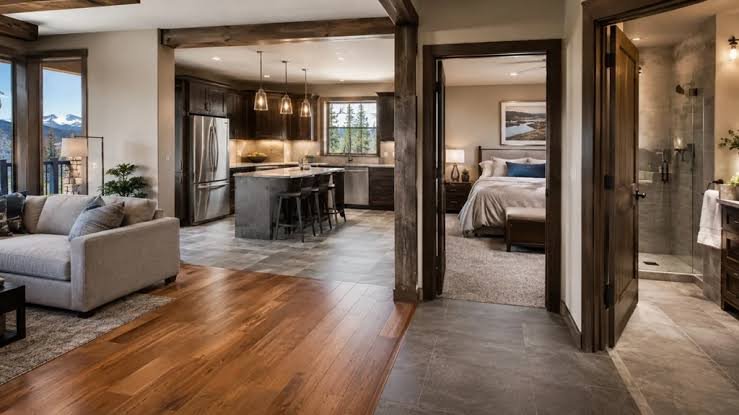
Walking into a showroom full of tiles, wood, and stone options can feel overwhelming, especially when every room in your home has different needs. Knowing how to choose the right flooring for each space saves you from costly mistakes and mismatched durability down the line.
A material perfect for a bedroom might be entirely wrong for a bathroom, while what works beautifully in a living room could feel impractical in a busy kitchen. Each room demands its own consideration.
This guide breaks down how to choose the right flooring room by room, covering durability, moisture resistance, style, and budget factors relevant to Indian homes.
Let’s go through each space in detail.
1. Living Room Flooring Considerations
The living room sees heavy foot traffic and needs flooring that balances durability with aesthetic appeal.
- Vitrified tiles offer a glossy, modern finish with excellent durability
- Wooden or laminate flooring adds warmth and a premium look
- Marble provides an elegant, timeless appearance for formal living spaces
- Consider larger tile sizes to make the room feel more spacious
Example: A Bangalore homeowner chose large-format vitrified tiles for their living room, achieving a seamless, modern look while keeping maintenance minimal.
(Internal link suggestion: Link to “Living Room Renovation Ideas That Instantly Modernize Your Space”)
2. Kitchen Flooring Requirements
Kitchens demand flooring that withstands spills, grease, and heavy daily use.
Key Factors to Consider:
- Choose anti-skid tiles to prevent slipping from spills
- Opt for stain-resistant materials that handle oil and food spills easily
- Ensure flooring is easy to clean without harsh chemical requirements
- Avoid highly porous materials that absorb grease and odors
Ceramic and vitrified tiles remain the most practical choices for Indian kitchens due to their durability and ease of maintenance.
3. Bathroom Flooring Priorities
Bathrooms require flooring specifically designed to handle constant moisture and prevent accidents.
- Anti-skid ceramic tiles are essential for wet, slippery conditions
- Avoid polished marble or glossy tiles, which become dangerously slick when wet
- Choose smaller tile sizes for better slope and drainage in wet areas
- Consider textured or matte-finish tiles for improved grip
Safety Tip: Bathroom flooring safety should never be compromised for aesthetics alone, especially in homes with elderly family members or young children.
(Internal link suggestion: Link to “Bathroom Plumbing Upgrades Worth the Investment”)
4. Bedroom Flooring Options
Bedrooms prioritize comfort and warmth, making certain materials more suitable than others.
- Laminate or engineered wood flooring adds a cozy, warm feel underfoot
- Carpeting offers softness but requires more maintenance in humid climates
- Vitrified tiles provide a cooler surface, ideal for warmer regions
- Consider area rugs over tiles for added comfort without full carpeting
Comfort and temperature regulation matter more in bedrooms than in high-traffic areas like living rooms or kitchens.
5. Balcony and Outdoor Flooring Needs
Outdoor and semi-outdoor spaces face weather exposure, requiring specifically durable materials.
- Choose weather-resistant, anti-skid tiles for balconies
- Avoid materials prone to fading or cracking under direct sunlight
- Ensure proper slope for water drainage to prevent pooling
- Consider textured outdoor tiles for better grip during monsoon season
Tip: Outdoor flooring should always prioritize slip resistance, as balconies frequently get wet from rain or cleaning.
(Internal link suggestion: Link to “Best Plants for Balcony Gardens in Small Apartments”)
6. Home Office or Study Room Flooring
With more people working from home, study room flooring deserves specific consideration for comfort during long hours.
- Laminate flooring reduces noise from chair movement compared to hard tiles
- Carpet tiles offer sound absorption for quieter workspaces
- Vinyl flooring provides comfort underfoot during long working hours
- Consider anti-static flooring options if using sensitive electronic equipment
Choosing comfortable, quiet flooring improves focus and reduces fatigue during extended work sessions at home.
7. Staircase and High-Traffic Area Flooring
Staircases and hallways experience constant use and require exceptionally durable, slip-resistant materials.
- Choose textured or ribbed tiles for better grip on stairs
- Avoid highly polished surfaces that become slippery over time
- Consider granite for its durability in high-traffic zones
- Ensure consistent flooring transitions between different rooms for a cohesive look
Safety should be the top priority when learning how to choose the right flooring for stairs and connecting hallways.
8. Budget and Long-Term Maintenance Considerations
Beyond room-specific needs, overall budget and maintenance requirements influence your final flooring decision.
- Vitrified tiles offer the best balance of cost, durability, and low maintenance
- Marble and natural stone require higher upfront investment and periodic sealing
- Laminate and vinyl provide budget-friendly options with moderate durability
- Factor in long-term costs like sealing, polishing, or replacement when comparing materials
Considering total cost of ownership, not just upfront price, ensures you choose flooring that remains practical for years to come.
(Internal link suggestion: Link to “How to Clean and Maintain Different Types of Flooring”)
Frequently Asked Questions
1. How do I choose the right flooring for a kitchen? Choose anti-skid, stain-resistant tiles like ceramic or vitrified options that handle spills and grease easily while remaining easy to clean.
2. What is the best flooring for bathrooms to prevent slipping? Textured, matte-finish anti-skid ceramic tiles offer the best grip and safety for wet bathroom floors.
3. Is wooden flooring suitable for Indian homes? Yes, engineered wood and laminate flooring work well in bedrooms and living rooms, though they require protection from excess moisture.
4. Which flooring is best for high-traffic areas like hallways? Vitrified tiles or granite offer excellent durability and are well-suited for staircases and busy hallway areas.
5. How do I choose flooring within a limited budget? Vitrified tiles and laminate flooring provide a good balance of affordability, durability, and low maintenance for most budgets.
6. Should flooring be the same throughout the house or vary by room? Flooring can vary by room based on specific needs, but maintaining consistent tones or transitions creates a cohesive overall look.
Conclusion
Learning how to choose the right flooring for every room ensures both practicality and style throughout your home. From anti-skid bathroom tiles to warm bedroom laminates and durable living room options, each space has unique requirements worth considering carefully.
Take stock of each room’s specific needs—moisture, traffic, and comfort—before making your final flooring choices. With the right selection, your home will look great and function beautifully for years to come.