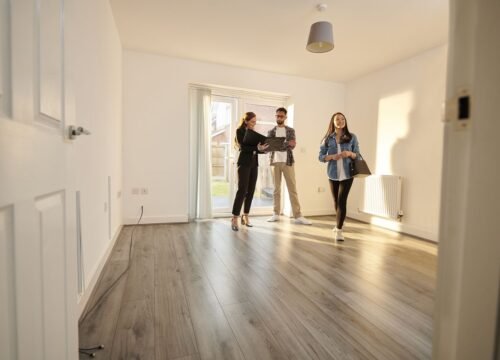
How to Evaluate a Property Before Buying: Complete Checklist
Buying a home is likely one of the biggest financial decisions you’ll ever make, and knowing how to evaluate a property before buying can save you from costly mistakes down the road. A property that looks perfect on the surface may hide legal issues, structural problems, or overpriced valuations.
Many first-time buyers get swept up in emotional decisions, focusing only on interiors and finishes while overlooking critical factors like legal documentation and location fundamentals.
This guide breaks down exactly how to evaluate a property before buying, covering every important aspect so you can make a confident, informed decision.
Let’s walk through the complete evaluation process.
1. Verify Legal Documents and Ownership
Legal verification is the single most important step when learning how to evaluate a property before buying.
- Check the sale deed and title documents for clear ownership
- Verify the property is free from any legal disputes or litigation
- Confirm approved building plans match the actual construction
- Ensure the property has a valid occupancy certificate (OC) and completion certificate (CC)
Example: A buyer in Ahmedabad avoided purchasing a flat after discovering during due diligence that the building lacked an occupancy certificate, a red flag that could have caused registration issues later.
(Internal link suggestion: Link to “Important Property Documents Every Buyer Should Check”)
2. Research the Location Thoroughly
Location significantly impacts both your daily convenience and the property’s long-term value.
Key Location Factors:
- Proximity to schools, hospitals, and daily necessities
- Connectivity via public transport and major roads
- Future infrastructure development plans in the area
- Safety and neighborhood reputation
A property in a well-connected, developing area typically appreciates faster than one in a stagnant or poorly planned locality.
3. Assess the Structural Quality of the Building
Structural integrity determines both safety and long-term maintenance costs, making this a critical evaluation step.
- Check for visible cracks in walls, ceilings, or the foundation
- Inspect for water seepage marks or dampness on walls
- Ask about the age of the building and any past structural repairs
- Verify the quality of construction materials used, if possible
Tip: For older properties, consider hiring a structural engineer for a professional inspection before finalizing the purchase.
(Internal link suggestion: Link to “Signs of Poor Construction Quality to Watch For”)
4. Evaluate Pricing Against Market Value
Understanding fair market pricing prevents overpaying for a property, one of the most common mistakes among first-time buyers.
- Compare prices of similar properties in the same locality
- Check recent transaction values through property registration records
- Factor in additional costs like registration, stamp duty, and brokerage
- Be cautious of prices significantly below market rate, which may indicate hidden issues
Getting an independent property valuation can provide clarity when negotiating the final price.
5. Check Water Supply and Basic Amenities
Reliable access to water and utilities significantly affects daily living comfort.
- Confirm the source and reliability of water supply (municipal or borewell)
- Check water pressure and quality during a site visit
- Verify electricity connection stability and any history of frequent outages
- Assess availability of parking, especially in urban apartment complexes
Properties with unreliable utilities often come with hidden ongoing costs and inconvenience that aren’t immediately obvious.
6. Review Society Rules and Maintenance Charges
For apartment purchases, understanding the housing society’s management is an important part of how to evaluate a property before buying.
- Ask for the monthly maintenance charges and what they cover
- Check if there are pending dues or disputes within the society
- Review rules regarding renovations, pets, or subletting
- Confirm the presence of essential amenities like security and common area upkeep
Well-managed societies with transparent finances typically indicate a smoother ownership experience long-term.
(Internal link suggestion: Link to “Understanding Housing Society Rules Before Buying an Apartment”)
7. Inspect Ventilation, Lighting, and Layout
Beyond legal and financial factors, the property’s livability matters significantly for day-to-day comfort.
- Visit at different times of day to assess natural light and ventilation
- Check room dimensions match what’s advertised
- Evaluate the functional flow between rooms and common areas
- Assess noise levels from neighboring units or nearby roads
A property that looks good in photos may feel completely different during an actual site visit, making in-person evaluation essential.
8. Consult Professionals Before Finalizing
Professional guidance adds an extra layer of protection when making such a significant investment.
- Hire a real estate lawyer to review all documentation
- Consider a professional property inspector for structural assessment
- Consult a financial advisor regarding loan eligibility and affordability
- Get a second opinion from an independent real estate consultant if unsure
This information is meant to help you ask the right questions—not as a substitute for professional legal or financial advice tailored to your specific purchase.
Frequently Asked Questions
1. What documents should I check before buying a property? Verify the sale deed, title documents, occupancy certificate, approved building plans, and confirm there are no pending legal disputes.
2. How do I know if a property is priced fairly? Compare recent transaction values of similar properties in the same area and consider getting an independent valuation.
3. Should I hire a lawyer when buying property in India? Yes, a real estate lawyer helps verify legal documents and identify potential ownership or litigation issues before purchase.
4. What are common red flags when evaluating a property? Missing occupancy certificates, visible structural cracks, unclear ownership history, and pricing significantly below market rate are major red flags.
5. How important is location when evaluating a property? Location significantly affects both daily convenience and long-term property value, making it one of the most critical evaluation factors.
6. Is it necessary to visit a property multiple times before buying? Yes, visiting at different times of day helps assess natural light, noise levels, and neighborhood activity more accurately.
Conclusion
Knowing how to evaluate a property before buying protects you from costly legal, structural, and financial mistakes. From verifying documents and researching location to assessing pricing and consulting professionals, each step plays a crucial role in making a confident decision.
Take your time with this evaluation process, even if a property seems perfect at first glance. A thorough, informed approach today ensures peace of mind and a sound investment for years to come.