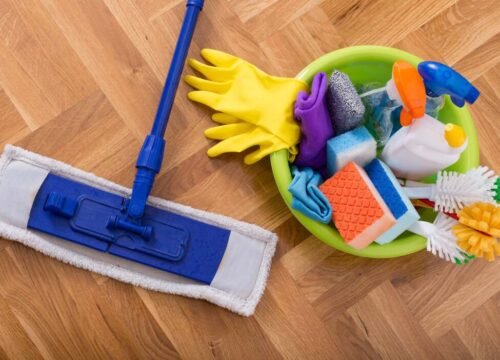
Kitchen Deep Cleaning Guide: Complete Step-by-Step Checklist
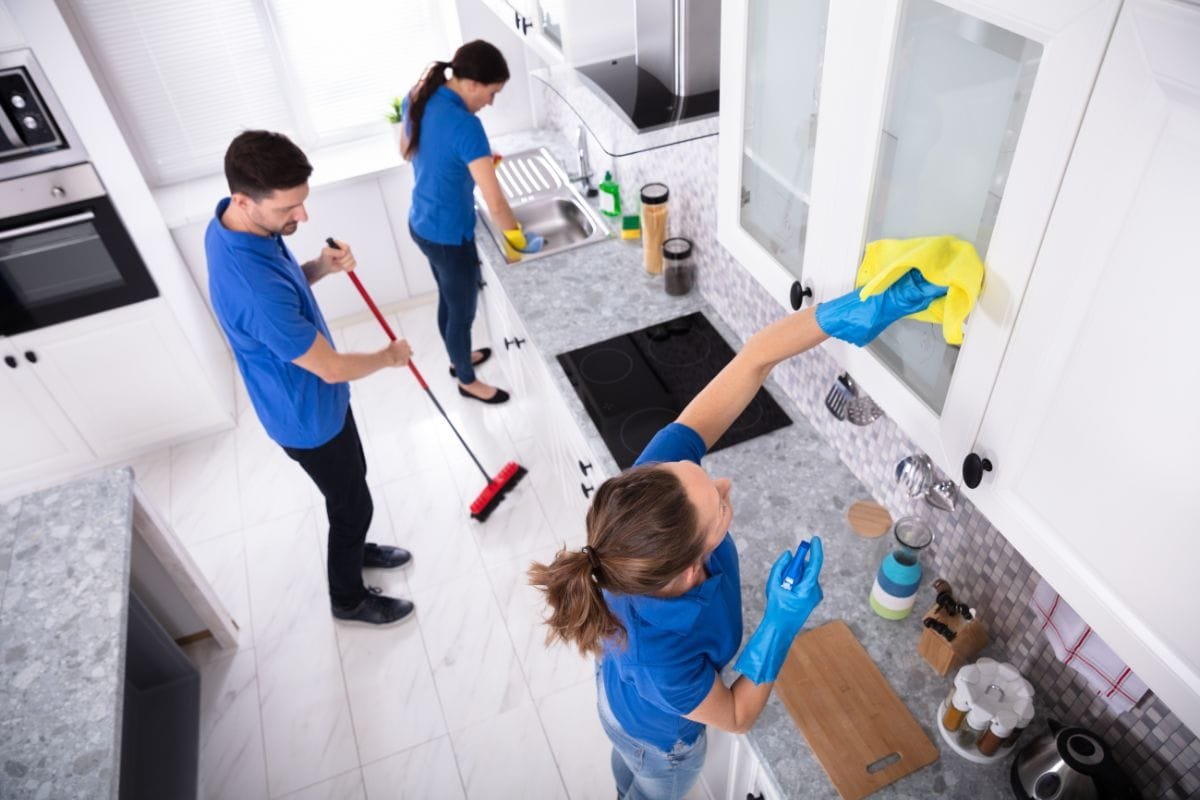
Regular wiping and sweeping only go so far—every kitchen needs a thorough deep clean every few months to tackle hidden grease, grime, and buildup. This kitchen deep cleaning guide breaks down exactly how to restore your kitchen to a spotless, hygienic space.
Between daily cooking, spills, and heavy usage, Indian kitchens accumulate oil residue and stubborn stains faster than most other rooms in the house. A proper deep clean addresses areas that everyday cleaning simply misses.
This step-by-step kitchen deep cleaning guide covers every corner of your kitchen, from the chimney and stove to cabinets and floors, so nothing gets overlooked.
Let’s get started, section by section.
1. Declutter Before You Clean
Before scrubbing anything, clear out unnecessary clutter to make the cleaning process faster and more effective.
- Remove expired spices, condiments, and packaged food
- Clear countertops of unused appliances and containers
- Sort through utensils and discard broken or unused items
- Empty the trash and clean the dustbin thoroughly
Example: A Mumbai household found nearly 15 expired spice jars during decluttering, freeing up significant cabinet space before the actual deep clean began.
(Internal link suggestion: Link to “Kitchen Organization Ideas for Small Spaces”)
2. Deep Clean the Chimney and Exhaust Fan
Grease buildup in the chimney and exhaust fan is one of the most overlooked areas in any kitchen deep cleaning guide, yet it’s essential for both hygiene and fire safety.
Steps to Clean:
- Remove and soak chimney filters in hot water with dish soap
- Scrub filters gently with a soft brush to remove grease
- Wipe down the chimney’s exterior with a degreaser
- Clean exhaust fan blades and casing thoroughly
Chimney filters should ideally be cleaned every 2-3 weeks, with a deeper soak-and-scrub session monthly to maintain suction efficiency.
3. Clean the Stove and Cooktop Thoroughly
The stove sees daily use and accumulates the most stubborn grease and food residue.
- Remove stove knobs and soak them in warm soapy water
- Scrub burner grates with a mixture of baking soda and water
- Wipe down the cooktop surface with a degreasing spray
- Clean underneath the stove where crumbs and oil often collect
Tip: For stainless steel stovetops, a paste of baking soda and water works wonders on burnt-on stains without scratching the surface.
(Internal link suggestion: Link to “How to Remove Grease Stains from Kitchen Surfaces”)
4. Deep Clean the Refrigerator
A thorough fridge cleaning is a critical part of any kitchen deep cleaning guide, preventing odors and bacterial buildup.
- Remove all food items and check for expired products
- Take out shelves and drawers to wash separately with soap water
- Wipe interior walls with a solution of water and baking soda
- Clean door seals where crumbs and moisture often accumulate
Aim to deep clean your refrigerator at least once a month, alongside regular weekly wipe-downs of spills.
5. Scrub the Sink and Faucet Area
The kitchen sink harbors more bacteria than most people realize, making it a priority area for deep cleaning.
- Scrub the sink basin with baking soda and a scrub brush
- Clean faucet areas and handles with a vinegar solution to remove mineral deposits
- Unclog and clean the drain with a mixture of baking soda and vinegar
- Disinfect sponges or replace them if heavily worn
A clean sink not only looks better but significantly reduces the spread of bacteria in food preparation areas.
6. Clean Cabinets, Shelves, and Countertops
Cabinets and countertops accumulate grease and dust over time, especially near the cooking area.
- Wipe cabinet exteriors with a mild degreasing solution
- Clean cabinet interiors and reline shelves if needed
- Scrub countertops with a surface-appropriate cleaner
- Pay special attention to corners and edges where grime collects
This step of the kitchen deep cleaning guide restores a fresh, organized look to your entire kitchen space.
7. Clean Kitchen Floors and Grout Lines
Floors take a beating from spills, foot traffic, and dropped food particles throughout the week.
- Sweep and vacuum thoroughly before mopping
- Use a floor-appropriate cleaner based on your flooring type
- Scrub grout lines with a mixture of baking soda and water
- Dry floors completely to prevent slipping or water damage
Tip: For tiled kitchen floors, an old toothbrush works well for scrubbing grout lines in tight corners.
(Internal link suggestion: Link to “How to Clean Different Types of Flooring”)
8. Sanitize Small Appliances and Utensil Storage
Don’t forget the smaller items that often get skipped during regular cleaning routines.
- Clean the microwave interior with a vinegar-water steam method
- Wipe down the mixer grinder, toaster, and other small appliances
- Wash and dry cutlery organizers and utensil holders
- Disinfect chopping boards, especially wooden ones prone to bacteria
Completing this final step ensures your entire kitchen deep cleaning guide checklist is thoroughly covered.
Frequently Asked Questions
1. How often should I deep clean my kitchen? A full deep clean is recommended every 1-2 months, with quick touch-ups on high-use areas like the stove and sink weekly.
2. What’s the best way to remove grease from kitchen chimneys? Soak chimney filters in hot water with dish soap, then scrub gently with a soft brush to remove built-up grease effectively.
3. How do I clean a smelly kitchen sink drain? Pour baking soda followed by vinegar down the drain, let it sit for 10 minutes, then flush with hot water to eliminate odors.
4. What natural ingredients work best for kitchen deep cleaning? Baking soda, vinegar, and lemon are effective, affordable natural cleaners for grease, stains, and odors throughout the kitchen.
5. How long does a full kitchen deep clean take? A thorough deep clean typically takes 3-5 hours depending on kitchen size and how long it’s been since the last deep clean.
6. Should I clean the refrigerator during a kitchen deep clean? Yes, deep cleaning the refrigerator monthly, including shelves, drawers, and door seals, is an essential part of kitchen hygiene.
Conclusion
Following this kitchen deep cleaning guide ensures no corner is left untouched—from the chimney and stove to the fridge, sink, and floors. A thorough deep clean not only improves hygiene but also extends the life of your kitchen appliances and surfaces.
Set aside a weekend, work through this checklist section by section, and enjoy a spotless, fresh kitchen. Make deep cleaning a regular habit, and your kitchen will stay in top shape all year round.