Prevent Pipe Leaks at Home: A Complete Protection Guide
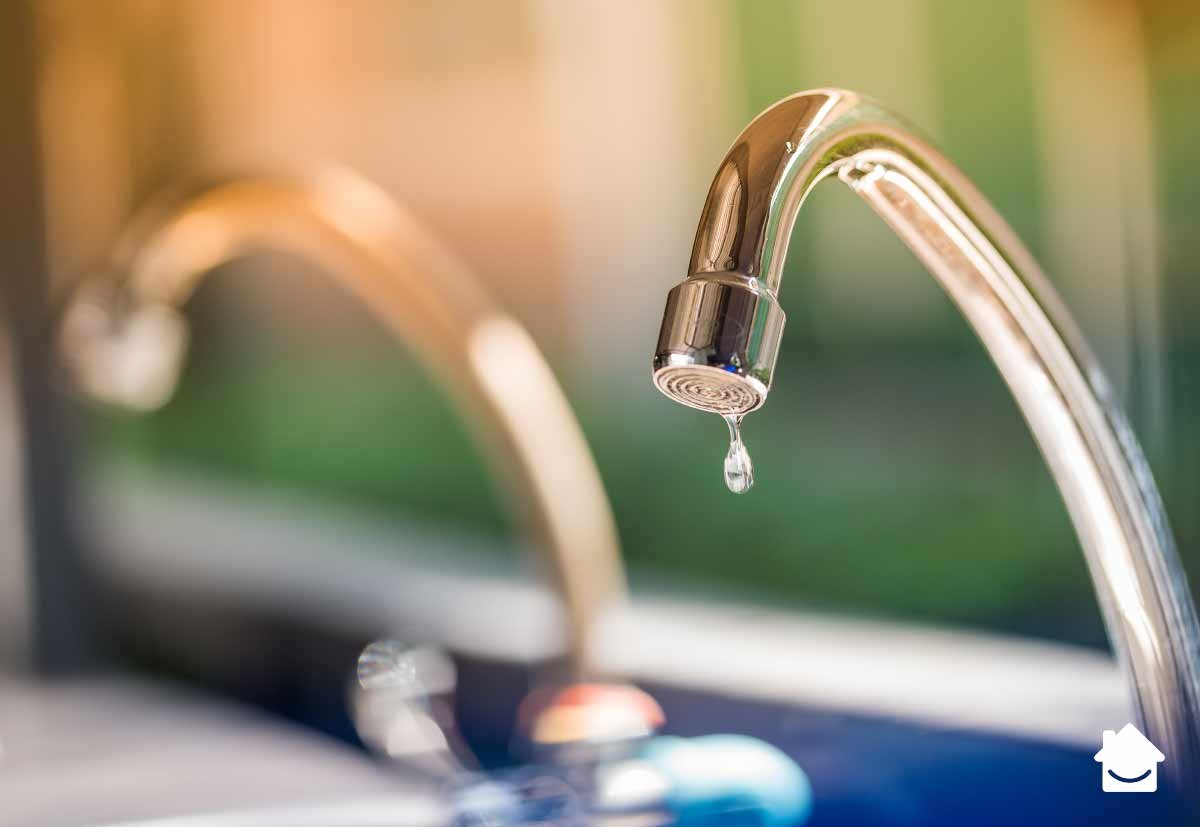
A small pipe leak often starts unnoticed—a slight dampness under the sink or a faint water stain on the ceiling—but left unchecked, it can lead to thousands of rupees in repairs. Learning how to prevent pipe leaks at home is one of the smartest investments any homeowner can make.
Water damage doesn’t just affect your wallet; it can weaken structural elements, promote mold growth, and damage flooring, furniture, and electrical systems. Most leaks are preventable with regular inspection and timely maintenance.
This guide covers practical, actionable ways to prevent pipe leaks at home, helping Indian homeowners avoid unexpected repair bills and long-term water damage.
Let’s dive into the details.
1. Inspect Pipes Regularly for Early Warning Signs
Catching leaks early is the most effective way to prevent pipe leaks at home before they escalate into major issues.
- Check under sinks and around toilets monthly for dampness
- Look for water stains on ceilings and walls near plumbing lines
- Listen for dripping sounds inside walls, especially at night
- Monitor your water meter for unusual spikes indicating hidden leaks
Example: A homeowner in Hyderabad noticed a small water stain on their kitchen ceiling and found a slow leak in an upstairs bathroom pipe—repaired for ₹1,200 before it caused ceiling collapse.
(Internal link suggestion: Link to “Signs of Hidden Water Leaks You Shouldn’t Ignore”)
2. Maintain Proper Water Pressure
Excessive water pressure puts unnecessary strain on pipes and fittings, increasing the risk of leaks and bursts.
Steps to Manage Pressure:
- Install a pressure-reducing valve if pressure exceeds recommended levels
- Check pressure periodically using a simple gauge from a hardware store
- Avoid overtightening taps, which can damage internal washers over time
- Have a plumber inspect pressure if you notice banging pipes (water hammer)
Keeping water pressure within a safe range significantly extends the lifespan of your plumbing system.
3. Insulate Pipes to Prevent Damage
While extreme cold isn’t a major concern in most parts of India, insulation still protects pipes from temperature fluctuations and physical damage.
- Use foam pipe insulation on exposed pipes in unheated areas
- Insulate pipes running through exterior walls or terraces
- Protect outdoor pipes from direct sun exposure, which can weaken certain materials over time
- Wrap pipes near water heaters to prevent excessive heat exposure
Proper insulation is a simple, low-cost way to prevent pipe leaks at home caused by material degradation.
4. Replace Old or Corroded Pipes
Aging plumbing infrastructure is one of the most common causes of leaks in older Indian homes.
- Galvanized iron pipes over 20 years old are prone to rust and leaks
- Consider upgrading to CPVC or PPR pipes for better durability
- Check exposed pipe joints for visible rust or corrosion
- Replace fittings showing signs of mineral buildup or discoloration
Tip: If you’re renovating an older home, replacing outdated plumbing is one of the best long-term investments to prevent pipe leaks at home.
(Internal link suggestion: Link to “CPVC vs PPR Pipes: Which Is Better for Indian Homes”)
5. Seal and Maintain Pipe Joints Properly
Loose or poorly sealed joints are a leading cause of slow, persistent leaks that often go unnoticed for months.
- Use Teflon tape on threaded joints during installation or repair
- Check under-sink joints periodically for tightness
- Replace worn rubber washers in taps and connections promptly
- Ensure joints are professionally soldered or fitted, not makeshift repairs
Properly sealed joints prevent the slow drips that often lead to significant water damage over time.
6. Protect Pipes During Renovation Work
Home renovations and drilling work can accidentally damage hidden pipes, leading to leaks that surface later.
- Use a pipe detector before drilling into walls
- Inform contractors about the location of plumbing lines
- Turn off the main water supply during major renovation work
- Inspect pipes after any construction work near plumbing areas
Taking these precautions during renovations prevents accidental damage that often goes unnoticed until water damage appears.
(Internal link suggestion: Link to “How to Plan a Full Home Renovation Without Overspending”)
7. Install Leak Detection Devices
Modern technology makes it easier than ever to catch leaks before they cause significant damage.
- Smart water sensors alert you via app when moisture is detected
- Water flow monitors detect unusual usage patterns indicating leaks
- Automatic shut-off valves stop water flow when a leak is detected
- Place sensors near water heaters, washing machines, and under sinks
These devices are especially useful for homes that are left unoccupied for extended periods, such as vacation properties.
8. Schedule Professional Plumbing Inspections
While DIY checks help, professional inspections catch issues that aren’t visible to the untrained eye.
- Schedule a plumbing inspection annually, especially for homes over 10 years old
- Ask plumbers to check water heater connections and pressure valves
- Get main water lines inspected for underground leaks periodically
- Address any recommended repairs promptly rather than delaying them
Regular professional checkups are one of the most reliable ways to prevent pipe leaks at home over the long term.
Frequently Asked Questions
1. How can I prevent pipe leaks at home effectively? Regular inspections, proper water pressure management, and timely replacement of old pipes are the most effective prevention methods.
2. What are early warning signs of a hidden pipe leak? Water stains on walls or ceilings, musty odors, unusually high water bills, and damp patches under sinks all indicate possible leaks.
3. How often should home plumbing be inspected? An annual professional inspection is recommended, with monthly self-checks under sinks and around visible pipes.
4. Are smart leak detectors worth installing at home? Yes, smart leak detectors provide early alerts and can prevent extensive water damage, especially in unoccupied homes.
5. What causes most pipe leaks in Indian homes? Aging galvanized pipes, high water pressure, corroded joints, and accidental damage during renovations are common causes.
6. Can high water pressure really cause pipe leaks? Yes, excessive water pressure strains pipes and fittings over time, increasing the risk of leaks and even pipe bursts.
Conclusion
Learning how to prevent pipe leaks at home protects your property from costly water damage and structural issues down the line. Regular inspections, proper pressure management, and timely pipe replacement form the foundation of a leak-free home.
Start with a simple walkthrough of your home this week, checking under sinks and around visible pipes for early warning signs. A little prevention today saves significant repair costs and stress in the future.