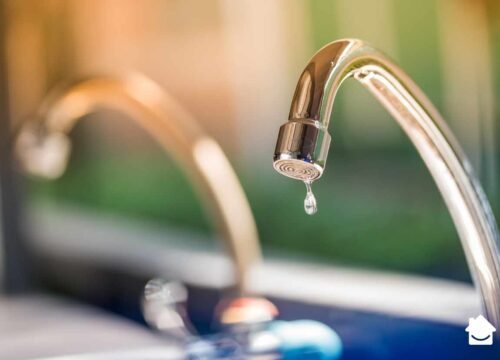
Bathroom Plumbing Upgrades Worth Every Rupee You Spend
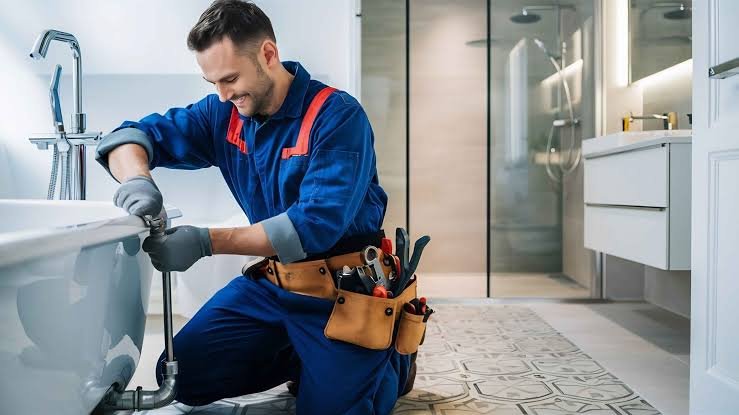
Few home improvements offer the same daily impact as smart bathroom plumbing upgrades. From low water pressure to outdated fixtures, small plumbing issues can turn a daily routine into a frustrating experience.
The good news is that not every upgrade requires a complete bathroom renovation. Many plumbing improvements can be done individually, spreading costs over time while still delivering noticeable comfort and efficiency gains.
This guide explores the most valuable bathroom plumbing upgrades for Indian homes, covering everything from water-saving fixtures to modern heating solutions, so you can prioritize what matters most for your household.
Let’s explore where your money makes the biggest difference.
1. Install Water-Saving Fixtures
Water-saving fixtures are among the most cost-effective bathroom plumbing upgrades, reducing bills while conserving a precious resource.
- Low-flow showerheads reduce water usage without sacrificing pressure
- Dual-flush toilet systems allow choosing between full and half flushes
- Aerator taps mix air with water, maintaining flow while using less water
- Sensor-based taps in shared bathrooms prevent water wastage from taps left running
Example: A Chennai family replaced their standard showerhead with a low-flow model and saw a noticeable reduction in their monthly water bill within just two months.
(Internal link suggestion: Link to “Water Conservation Tips for Indian Households”)
2. Upgrade to a Geyser with Better Efficiency
Water heating is one of the most-used bathroom systems, making geyser upgrades a smart long-term investment.
Features to Consider:
- Instant geysers for quick, on-demand hot water in smaller bathrooms
- Storage geysers with better insulation for consistent temperature control
- Energy-efficient models with 5-star BEE ratings to reduce electricity costs
- Temperature control settings to prevent scalding, especially in homes with children
Choosing the right geyser type based on household size and usage patterns significantly improves both comfort and energy efficiency.
3. Replace Old Pipes with Modern Materials
Aging pipes are a common source of leaks, reduced water pressure, and water quality issues in older Indian homes.
- Replace galvanized iron pipes with CPVC or PPR alternatives
- Upgrade to pipes with better corrosion resistance
- Address any visible rust or discoloration in exposed plumbing
- Consider repiping entirely if leaks have become frequent
Tip: While repiping requires upfront investment, it prevents recurring repair costs and water damage that often exceed the cost of replacement over time.
(Internal link suggestion: Link to “How to Prevent Pipe Leaks and Water Damage at Home”)
4. Install a Modern Shower System
Upgrading your shower setup is one of the most noticeable bathroom plumbing upgrades in terms of daily comfort.
- Rain showerheads provide a spa-like bathing experience
- Handheld shower attachments add flexibility for cleaning and bathing
- Thermostatic mixing valves maintain consistent water temperature
- Multi-function shower panels combine body jets and overhead sprays
These upgrades transform an ordinary bathroom into a more relaxing, functional space without requiring major structural changes.
5. Upgrade Bathroom Drainage Systems
Poor drainage leads to water logging and unpleasant odors, making this an essential area for bathroom plumbing upgrades.
- Install larger diameter drain pipes for better water flow
- Add anti-clog floor drains with removable mesh covers
- Ensure proper floor slope toward drains during any renovation
- Consider a P-trap upgrade to prevent sewer gas odors
Improved drainage keeps bathrooms drier, reduces slip hazards, and prevents the musty smells common in poorly ventilated spaces.
6. Add a Water Purification or Softening System
Water quality varies significantly across Indian cities, making purification upgrades valuable in many households.
- Install a water softener if your area has hard water affecting fixtures
- Add point-of-use filters for handwashing areas
- Address mineral buildup on taps and showerheads caused by hard water
- Consider whole-home softening systems for long-term fixture protection
Tip: Hard water not only affects skin and hair but also shortens the lifespan of taps, showerheads, and geysers due to mineral deposits.
(Internal link suggestion: Link to “Signs You Need a Water Softener at Home”)
7. Install Smart Bathroom Fixtures
Smart technology is increasingly making its way into Indian bathrooms, adding convenience alongside efficiency.
- Motion-sensor taps reduce water wastage automatically
- Smart geysers allow remote temperature control via app
- Digital shower panels let you save preferred temperature and pressure settings
- Leak detection sensors alert you to plumbing issues immediately
These upgrades combine modern convenience with practical water and energy savings over time.
8. Improve Ventilation to Protect Plumbing
While not plumbing directly, proper ventilation protects pipes and fixtures from moisture-related damage.
- Install an exhaust fan to reduce humidity buildup
- Ensure windows or vents allow adequate airflow
- Address any condensation issues around pipes promptly
- Use moisture-resistant paint near plumbing fixtures
Good ventilation extends the lifespan of your other bathroom plumbing upgrades by preventing corrosion and mold growth.
Frequently Asked Questions
1. What are the most valuable bathroom plumbing upgrades? Water-saving fixtures, efficient geysers, and modern shower systems offer the best balance of comfort, savings, and value for most households.
2. How much do bathroom plumbing upgrades typically cost in India? Costs vary widely, from a few thousand rupees for fixture replacement to a higher investment for complete repiping or shower system installation.
3. Are low-flow showerheads actually effective? Yes, modern low-flow showerheads maintain strong water pressure while significantly reducing water consumption compared to standard models.
4. Is it worth replacing old pipes during a bathroom renovation? Yes, especially in homes over 15-20 years old, since old pipes are prone to leaks and reduced water pressure over time.
5. How do I know if I need a water softener for my bathroom? Signs include white mineral buildup on fixtures, dry skin after bathing, and reduced lathering of soap—all indicating hard water issues.
6. What bathroom plumbing upgrade offers the best return on investment? Water-saving fixtures typically offer the fastest payback through reduced water bills, while repiping offers long-term value by preventing costly leaks.
Conclusion
Investing in the right bathroom plumbing upgrades improves daily comfort while saving water and energy over time. From low-flow fixtures and efficient geysers to modern shower systems and improved drainage, each upgrade addresses a specific pain point in your daily routine.
Start by identifying your bathroom’s biggest issue—whether it’s water pressure, heating, or drainage—and prioritize that upgrade first. A well-planned investment today means a more comfortable, efficient bathroom for years to come.