How to Extend Roof Life with Simple Maintenance Habits
Your roof silently protects your home from sun, rain, and wear every single day, yet it’s often the most neglected part of home maintenance. Learning how to extend roof life through simple, consistent care can save you from expensive repairs and premature replacement.
Most roof damage doesn’t happen overnight—it builds up gradually through small cracks, clogged drains, and unnoticed leaks that worsen over time, especially during harsh Indian summers and monsoon seasons.
This guide covers practical, easy-to-follow steps on how to extend roof life, helping homeowners protect one of their home’s most important structural elements for decades.
Let’s get into the details.
1. Schedule Regular Roof Inspections
Catching small issues early is the foundation of learning how to extend roof life effectively.
- Inspect your roof at least twice a year, ideally before and after monsoon
- Look for cracks, loose tiles, or damaged waterproofing membranes
- Check for signs of algae, moss, or fungal growth on the surface
- Examine flashing around chimneys, vents, and edges for wear
Example: A homeowner in Bengaluru caught a small crack during a routine pre-monsoon inspection and repaired it for ₹2,000, avoiding what could have become a major ceiling leak costing far more.
(Internal link suggestion: Link to “Monsoon Home Damage Prevention Checklist”)
2. Keep the Roof Clean and Debris-Free
Accumulated debris traps moisture and accelerates roof deterioration over time.
Cleaning Checklist:
- Remove leaves, branches, and dirt regularly, especially before rains
- Clear gutters and downspouts to ensure proper water drainage
- Sweep away standing water on flat terraces after rainfall
- Trim overhanging tree branches that drop debris onto the roof
Regular cleaning prevents water pooling, which is one of the leading causes of premature roof damage in Indian homes.
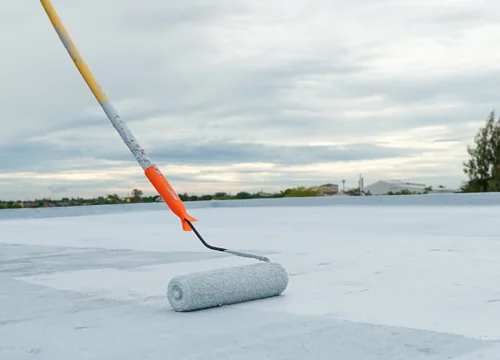
3. Apply Waterproofing Treatments Periodically
Waterproofing is one of the most effective long-term investments for anyone learning how to extend roof life.
- Apply waterproof coating on terraces every 2-3 years
- Choose elastomeric or acrylic-based coatings for flexibility and durability
- Ensure proper surface preparation before applying any waterproofing product
- Address any existing cracks before waterproofing to prevent trapped moisture
Tip: Waterproofing should ideally be done during dry months, giving the coating adequate time to cure before monsoon arrives.
(Internal link suggestion: Link to “Best Waterproofing Solutions for Indian Terraces”)
4. Fix Cracks and Leaks Immediately
Delaying small repairs often leads to significantly larger and more expensive problems.
- Seal hairline cracks with waterproof sealant as soon as they appear
- Address ceiling stains promptly, as they indicate active water penetration
- Replace damaged or missing roof tiles without delay
- Check for soft spots on flat roofs, which indicate water damage underneath
Prompt repairs prevent minor issues from compromising the structural integrity of your entire roofing system.
5. Maintain Proper Drainage Systems
Poor drainage is one of the most common reasons roofs deteriorate faster than expected.
- Ensure the roof has proper slope for water runoff
- Install additional drainage outlets if water tends to pool in certain areas
- Keep drain pipes clear of debris and blockages
- Check that downspouts direct water away from the building’s foundation
Efficient drainage significantly extends roof life by preventing prolonged water contact with roofing materials.
6. Protect the Roof from Extreme Sun Exposure
Intense heat and UV exposure gradually weaken roofing materials, especially during Indian summers.
- Apply heat-reflective or cool roof coatings to reduce sun damage
- Consider installing shade structures over exposed terrace areas
- Use UV-resistant waterproofing products for longer-lasting protection
- Monitor for material brittleness or cracking during peak summer months
Reducing direct heat exposure not only extends roof life but also improves indoor temperature regulation.
(Internal link suggestion: Link to “Cool Roof Solutions to Beat Indian Summer Heat”)
7. Address Structural Issues Promptly
Structural problems, if ignored, can compromise the entire roof’s lifespan and safety.
- Check for sagging areas, which may indicate weakened support structures
- Inspect load-bearing walls and beams connected to the roof
- Consult a structural engineer if you notice significant cracks or shifting
- Avoid adding excessive weight, like water tanks, without proper structural assessment
Addressing structural concerns early prevents both safety hazards and costly emergency repairs later.
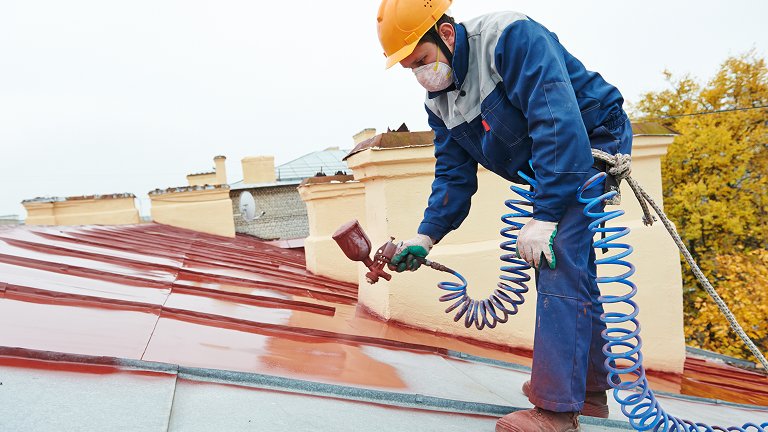
8. Hire Professionals for Periodic Maintenance
While many maintenance tasks can be DIY, professional expertise ensures thorough, lasting results.
- Schedule professional roof inspections every 2-3 years
- Hire experienced contractors for waterproofing and major repairs
- Get quotes from multiple professionals to ensure fair, quality work
- Request warranties on waterproofing and repair work for added protection
Professional maintenance complements your regular DIY efforts, ensuring your roof receives comprehensive care over its lifetime.
Frequently Asked Questions
1. How can I extend the life of my roof naturally? Regular cleaning, timely crack repairs, proper drainage, and periodic waterproofing are the most effective natural ways to extend roof life.
2. How often should roof waterproofing be redone? Waterproofing should typically be reapplied every 2-3 years, depending on the product used and local weather conditions.
3. What are early signs of roof damage to watch for? Ceiling stains, visible cracks, algae growth, and water pooling are early warning signs that require prompt attention.
4. Does extreme heat damage roofs in Indian summers? Yes, prolonged UV exposure and intense heat can weaken roofing materials over time, making heat-reflective coatings beneficial.
5. Is it necessary to hire a professional for roof maintenance? While basic cleaning can be DIY, professional inspections and waterproofing every few years ensure thorough, long-lasting protection.
6. What causes most roof leaks in Indian homes? Clogged drainage, cracked waterproofing membranes, and neglected minor cracks are the most common causes of roof leaks.
Conclusion
Learning how to extend roof life comes down to consistent, proactive care—regular inspections, timely repairs, proper drainage, and periodic waterproofing all play a role. These simple habits protect your home from costly damage and extend your roof’s lifespan by years.
Start with a thorough inspection this week, especially if monsoon season is approaching. A little consistent maintenance now means a stronger, longer-lasting roof and greater peace of mind for your entire household.