A Practical Guide to Keeping Your Heat Pump Working Efficiently
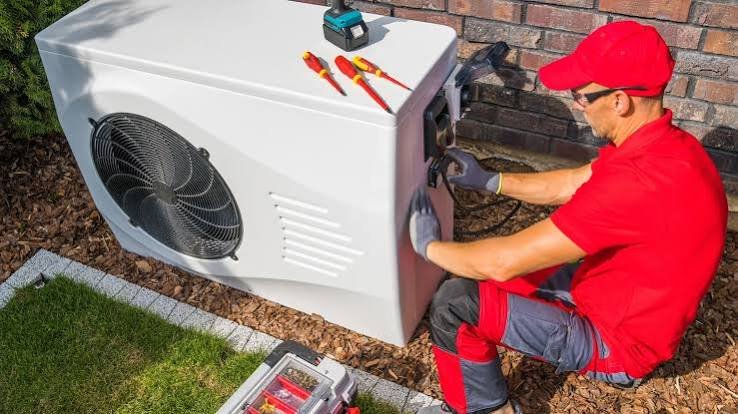
A heat pump doesn’t usually get much attention when it’s doing its job properly. The house feels comfortable, the system quietly turns on and off, and everyone gets on with their day. It’s only when the rooms stop feeling right, strange sounds appear, or the energy bill suddenly climbs that people start wondering what’s happening behind the scenes.
The good news is that many heat pump problems can be managed with the right installation, timely repairs, and regular maintenance. Like most important home equipment, a heat pump tends to perform better when you don’t wait until something goes seriously wrong.
Why Heat Pumps Have Become So Popular
Heat pumps are different from traditional heating systems because they can move heat rather than simply generate it. Depending on the type of system and climate, a heat pump can provide both heating and cooling, making it a versatile choice for year-round comfort.
For homeowners looking to improve efficiency, a properly selected system can be an attractive option. But the equipment itself is only part of the story. Installation quality, sizing, insulation, ductwork, controls, and maintenance all influence how well a heat pump performs.
That’s why choosing a qualified professional matters from the beginning.
Getting Heat Pump Installation Right
A new system may look straightforward from the outside, but proper heat pump installation involves more than placing equipment and connecting a few lines.
The contractor needs to consider the property’s size, insulation, climate, existing ductwork, electrical requirements, airflow, and heating and cooling demands. Correct sizing is particularly important.
A system that’s too small may struggle to keep up during extreme weather. One that’s too large can cycle more frequently than it should, potentially affecting comfort and efficiency.
Professional installation also helps ensure that refrigerant lines, electrical connections, airflow, drainage, and controls are configured correctly. A system that is installed poorly can lose efficiency before you’ve even had a chance to enjoy it.
Don’t Ignore Changes in Performance
Heat pumps often give homeowners warning signs before a major failure.
Maybe the system runs longer than usual. Perhaps one room feels colder than another. You might hear buzzing, rattling, clicking, or grinding noises. Sometimes the outdoor unit develops excessive ice or the system simply doesn’t seem to heat or cool the way it once did.
These symptoms shouldn’t automatically be treated as a disaster. They are signals that something deserves attention.
Calling for heat pump repair early can help identify issues before they develop into more expensive problems. A technician may find something relatively simple, such as a dirty filter or airflow restriction, or discover a more significant problem involving electrical components, refrigerant, motors, controls, or other parts.
The important thing is not to keep ignoring the warning signs.
Why Regular Maintenance Matters
Maintenance is easy to postpone because it doesn’t feel urgent. If the heat pump is working today, why spend money servicing it?
Well, that’s exactly when preventive care is most useful.
Routine heat pump maintenance allows a technician to inspect the system while it’s still operating rather than waiting for a breakdown. Depending on the equipment, maintenance may involve checking electrical connections, inspecting coils, cleaning components, checking airflow, examining refrigerant-related components, and verifying overall operation.
Homeowners also have a role to play. Keeping outdoor units clear of leaves and debris, changing filters according to the manufacturer’s recommendations, and keeping indoor vents unobstructed are simple but worthwhile habits.
Seasonal Changes Can Put Extra Pressure on Equipment
Heat pumps work throughout the year in many homes, which means they don’t get the long periods of inactivity that some traditional heating systems might.
During hot weather, the system works to remove heat from indoors. During colder periods, it reverses operation to bring heat inside. That year-round workload makes routine care even more important.
Before a major seasonal change, it’s sensible to check whether the system is ready for heavier use. Catching a weak component in mild weather is considerably less stressful than discovering it during the first extremely hot or cold day of the season.
What Homeowners Shouldn’t Try to Fix Themselves
There are a few basic maintenance tasks homeowners can safely handle, but heat pumps aren’t ideal equipment for DIY experimentation.
Electrical components, refrigerant circuits, compressors, and other technical parts require appropriate knowledge and tools. Trying to repair these components without training can damage the equipment and create safety risks.
Changing a filter or clearing debris around the outdoor unit is one thing. Opening refrigerant lines or attempting electrical repairs is another.
When in doubt, call a qualified HVAC professional.
Efficiency Depends on More Than the Heat Pump
Even a high-quality heat pump can’t overcome every problem in a building.
Poor insulation, leaky ductwork, blocked vents, old windows, and air leaks can all increase heating and cooling demand. If your system seems to run constantly, the heat pump itself may not be the only thing worth investigating.
A professional HVAC assessment can help determine whether the issue is equipment-related or connected to the building envelope.
Sometimes a relatively simple improvement, such as sealing ductwork or improving insulation, can make the entire system feel more effective.
Choosing the Right HVAC Professional
When hiring someone for installation or service, don’t focus only on price.
Ask whether the contractor has experience with your type of heat pump. Find out what’s included in installation or maintenance. Ask about warranties, replacement parts, service availability, and what happens if a problem appears after the work is completed.
A good technician should be willing to explain the problem in plain language. You shouldn’t need an engineering degree to understand why your system needs a particular repair.
Reliability matters, too. When your heating or cooling system fails, you want someone who answers the phone and can provide a realistic timeframe for service.
A Little Attention Can Prevent a Lot of Trouble
Heat pumps are designed to provide dependable comfort, but they aren’t maintenance-free machines.
The best results usually come from three things working together: proper installation, prompt attention to problems, and regular maintenance.
Don’t wait for strange noises, poor airflow, or an uncomfortable room to become a major issue. Keep the outdoor unit clean, replace filters when needed, pay attention to changes in performance, and schedule professional inspections as recommended.
It may not be the most exciting part of owning a home. But when winter arrives or summer temperatures climb, you’ll be glad you took care of the system when everything was still running normally.