When Problem Water Needs More Than a Basic Filter
Not all water problems are the same, and that’s something homeowners often discover only after trying a basic filter that doesn’t quite solve the issue. Water may look clear but still leave orange stains, have a metallic taste, or develop an unpleasant odor after sitting in a glass. In other homes, the problem might be sulfur, manganese, sediment, or a combination of several water-quality concerns.
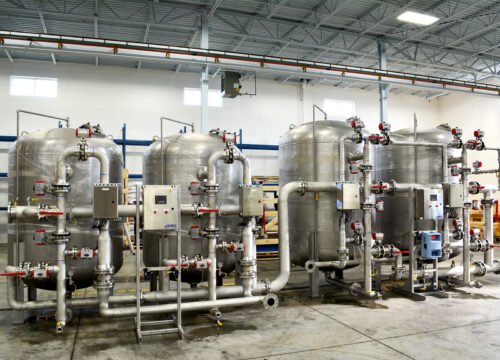
When that happens, understanding the treatment process matters. A properly selected water refining system can be designed around the specific characteristics of your water instead of relying on a one-size-fits-all solution.
Start by Finding Out What’s Actually in the Water
It’s tempting to choose equipment based on what you can see. Brown staining, for example, might immediately make you think of iron. Sometimes that’s correct. But water chemistry can be more complicated than it appears.
Iron can exist in different forms, and the treatment method that works for one type may not work as effectively for another. Water can also contain other minerals or contaminants that contribute to staining, taste, odor, or plumbing problems.
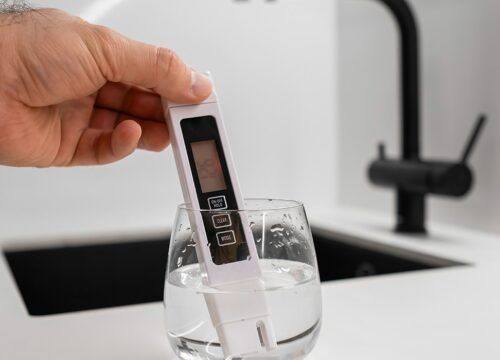
That’s why testing should come before purchasing treatment equipment. A proper water analysis can provide useful information about iron, manganese, pH, hardness, sulfur and other characteristics.
Once you know what you’re dealing with, choosing the right technology becomes much less of a guessing game.
Why Iron in Water Can Be Such a Nuisance
Iron isn’t usually the first thing people think about when discussing household water, but homeowners with iron-rich well water know how annoying it can be.
Iron can leave reddish-brown stains on sinks, bathtubs, toilets and laundry. It may also contribute to metallic-tasting water or staining that seems to return no matter how often you clean.
In some cases, homeowners specifically look for equipment designed to remove iron and treat problem water because ordinary sediment filters simply aren’t enough. The right treatment depends on the concentration and form of iron present, along with other water characteristics.
The good news is that there are several established treatment approaches. The trick is matching the method to the actual chemistry.
Understanding Air-Aspirated Filtration
One technology worth knowing about is air injection or air-aspirated treatment.
In simple terms, these systems introduce oxygen into the treatment process. The oxygen can help convert certain dissolved iron and other substances into forms that can then be filtered out.
Air aspirated filters are often considered for well-water applications where iron and related problems are present. They can provide an effective approach without relying on some of the chemical treatment methods used in other systems.
However, they aren’t magic boxes. Performance depends on factors such as iron concentration, water pH, flow rate and the presence of other contaminants. Proper sizing and setup are important.
Well Water Can Be Particularly Challenging
Private wells don’t have the same treatment infrastructure as municipal water supplies. The water chemistry can vary significantly depending on local geology, groundwater conditions and the depth of the well.
One household might have relatively clear, pleasant-tasting water, while another nearby property could struggle with iron staining and sulfur odor.
This is why well owners should avoid choosing equipment simply because a neighbor has the same-looking system. Two wells can behave very differently.
Testing gives you a much clearer starting point.
Iron Isn’t the Only Problem to Consider
When treating problem water, it’s easy to focus entirely on the most obvious complaint.
But if you’re already investing in treatment equipment, it makes sense to understand the wider water profile. Hardness, pH, manganese, sulfur and sediment may influence how effectively an iron treatment system performs.
For example, water chemistry can affect the efficiency of oxidation and filtration. A treatment method that works beautifully under one set of conditions may perform poorly when those conditions change.
That doesn’t mean you need a complicated setup. It simply means the equipment should be selected based on evidence.
Choosing the Right Treatment Equipment
A good water treatment professional should begin by asking questions.
Where does your water come from? How many people live in the home? What problems are you experiencing? What are the laboratory test results? How much water does your household typically use?
These details help determine the appropriate equipment size and treatment approach.
Pay attention to flow rate as well. A filter that handles a small household may not perform properly when several fixtures are being used at once. Proper sizing is one of those less exciting details that can make a surprisingly big difference.
Maintenance Still Matters
Even the right filtration system needs routine attention.
Filters need backwashing or servicing depending on their design. Control valves and other components should be checked when recommended, and any changes in water quality should be taken seriously.
If staining or odor suddenly returns after the system has been working well, don’t automatically assume the equipment has failed. Changes in the well, plumbing or water chemistry could be contributing to the problem.
An inspection can help determine what’s actually happening.
A Smarter Approach to Problem Water
There’s no single treatment system that solves every water problem. That’s perhaps the most important thing to remember.
If your water contains iron, sulfur, hardness, sediment or other unwanted characteristics, start with testing. Understand the results, then choose treatment equipment designed for those specific conditions.
A well-designed refining and filtration setup can make a noticeable difference to household water, especially when staining, odor and unpleasant taste have become everyday frustrations.
You shouldn’t have to spend your weekends scrubbing orange marks from a bathtub or wondering why the water smells strange. With the right information and the right treatment technology, problem water can often become much more manageable—and your home’s water supply can finally feel like one less thing to worry about.