Why the Air Inside Your Home Deserves More Attention Than You Think
We Spend Most of Our Lives Indoors
It’s easy to focus on the weather outside, especially when pollen counts are high or the air feels heavy after a busy day in the city. But here’s something many people don’t stop to consider—we spend the majority of our time indoors. Whether we’re working from home, sleeping, cooking dinner, or simply relaxing with family, the air we breathe inside often has a bigger impact on our daily comfort than the air outside.
The surprising part is that indoor air isn’t always as clean as we’d expect. Dust, pet dander, cooking fumes, pollen, mold spores, household chemicals, and even tiny airborne particles can quietly circulate through a home without anyone noticing. The air may look perfectly clear, yet still contain contaminants that affect how comfortable the space feels.
Improving indoor air isn’t about creating a sterile environment. It’s about making your home healthier, fresher, and more enjoyable to live in every single day.
Air Quality Changes Throughout the Year
Every season brings different challenges.
Spring introduces pollen that somehow finds its way indoors, even with the windows closed. Summer often increases humidity, creating conditions where mold can grow more easily. During autumn, dust tends to build up as heating systems prepare for colder weather, while winter encourages families to keep doors and windows shut for longer periods, reducing natural ventilation.
Because these conditions constantly change, the air inside a home is always evolving as well.
Many homeowners assume replacing an HVAC filter once in a while is enough. While that’s certainly helpful, it’s often only one piece of the larger picture.
Small Air Problems Can Affect Everyday Comfort
Poor air quality doesn’t always announce itself dramatically.
Sometimes it’s waking up with a dry throat.
Sometimes allergies seem worse indoors than outside.
Maybe certain rooms feel stuffy no matter how often you clean, or lingering cooking odors stay around longer than they should.
These small frustrations gradually become part of daily life, so people stop questioning them. Yet cleaner air can noticeably improve how a home feels without requiring major lifestyle changes.
That’s why more homeowners are exploring professional air purification services to better understand what may be affecting the air inside their living spaces.
Rather than relying on assumptions, experts can evaluate air quality concerns and recommend practical solutions based on the home’s specific conditions.
Every Home Has Different Air Challenges
No two homes are exactly alike.
A family with several pets faces different air quality concerns than someone living alone in a newly built house. Older homes may have hidden dust inside ductwork, while high humidity can increase the likelihood of mold growth in certain climates.
Cooking habits, flooring materials, cleaning products, furniture, ventilation, and even the number of people living in a home all influence indoor air.
That’s why there isn’t a universal solution that works for everyone.
Understanding your home’s environment first almost always leads to better long-term results than simply buying the first product that promises cleaner air.
Technology Has Improved Dramatically
Air purification has come a long way over the past decade.
Modern air purification systems are designed to capture much more than ordinary dust. Depending on the technology, they may help reduce airborne particles, allergens, odors, pet dander, smoke, and other contaminants that circulate through a home’s ventilation system.
Some systems work independently in individual rooms, while others integrate directly with existing HVAC equipment to improve air quality throughout the entire house.
The biggest advantage is consistency.
Instead of only cleaning the air in one location, whole-home solutions continue filtering as air moves through the home’s heating and cooling system, helping maintain fresher air around the clock.
Better Air Makes Everyday Living More Comfortable
People often expect cleaner air to produce dramatic results overnight.
Sometimes it does, particularly for households dealing with excessive dust or persistent odors. More often, however, the improvements are subtle.
Rooms smell fresher.
Dust settles more slowly.
Sleeping feels more comfortable.
Morning congestion may become less noticeable.
Guests comment that the home feels clean without being able to explain exactly why.
These small improvements gradually become part of everyday life, quietly enhancing comfort without demanding attention.
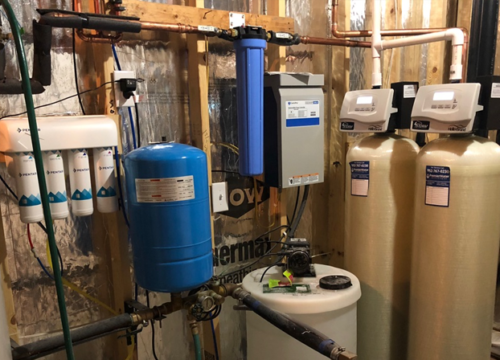
It’s similar to improving water quality—you don’t realize how much it matters until you experience the difference yourself.
Indoor Air Is About More Than Allergies
When people hear the phrase indoor air quality, allergies are usually the first thing that comes to mind.
While allergies are certainly an important reason to improve household air, they’re far from the only one.
Clean indoor air supports overall comfort by reducing lingering odors, limiting airborne dust, improving ventilation, and creating a fresher living environment for everyone—not just those with seasonal allergies.
Families with children, older adults, or pets often appreciate these improvements because everyone spends so much time breathing the same indoor air every day.
Creating a healthier home doesn’t always require major renovations. Sometimes it starts with improving the air already circulating through it.
Maintenance Matters More Than Most People Realize
Even the best purification equipment requires occasional maintenance.
Filters eventually collect dust and airborne particles until they need replacement. Some advanced systems include washable components, while others feature electronic reminders that notify homeowners when service is due.
Ignoring maintenance gradually reduces performance, making the system work harder while cleaning less effectively.
Fortunately, modern equipment has made upkeep relatively simple. Routine maintenance usually requires very little time while ensuring consistent performance throughout the year.
A well-maintained system continues protecting air quality without demanding constant attention.
A Cleaner Home Starts With the Air You Breathe
Many people associate a clean home with sparkling floors, organized countertops, and freshly washed windows.
Those things certainly matter.
But cleanliness also includes the air moving quietly through every room.
Unlike furniture or flooring, air can’t be seen. Yet it’s one of the most important parts of a comfortable home because every breath depends on it.
Improving indoor air quality isn’t about perfection. It’s about creating an environment where your family feels healthier, more comfortable, and better supported during everyday life.
Final Thoughts
The air inside your home influences nearly every hour of your day, even when you rarely think about it. From restful sleep and comfortable mornings to cleaner living spaces and fresher-smelling rooms, better air quietly improves the overall experience of being at home.
Fortunately, creating a healthier indoor environment has never been more achievable. With thoughtful evaluation, proper filtration, and the right long-term approach, homeowners can reduce airborne contaminants while making their living spaces noticeably more comfortable.
At the end of the day, a healthier home isn’t defined only by what you can see. It’s also shaped by the air you breathe every moment you’re inside—and that’s something truly worth investing in.