Finding the Right Water Softening Solution for a More Comfortable Home
You probably don’t wake up in the morning thinking about the minerals in your water. Most people don’t. You turn on the shower, make coffee, load the dishwasher, wash a few clothes, and get on with life.
Then the little annoyances begin to add up.
There are white spots on the glasses again. The shower door looks cloudy no matter how often you clean it. Soap doesn’t seem to lather properly, towels feel a bit stiff, and there’s that stubborn crust around the faucet that appears almost as soon as you remove it.
At some point, you start wondering whether the water itself is the problem.
That’s usually when homeowners begin looking into Water Softening Solutions. But choosing the right approach can be more complicated than simply picking the first system that appears in an online search. Different homes have different water conditions, different plumbing, different household sizes, and, honestly, different expectations.
The best solution is rarely about buying the biggest machine or the most expensive model. It’s about understanding what your water is doing and finding an option that fits your everyday life.
Hard Water Has a Way of Making Itself Known
Hard water generally contains higher levels of certain dissolved minerals, commonly calcium and magnesium. Those minerals aren’t always visible when you pour a glass of water, but their effects can slowly show up around the house.
You may notice scale building up on fixtures or appliances. Dishes can develop spots after washing. Soap and detergent may not perform the way you expect, leaving behind residue that seems to require extra cleaning.
None of these problems may feel dramatic on their own. That’s the tricky part.
A homeowner can spend years treating the symptoms instead of looking at the cause. They buy stronger bathroom cleaners, switch laundry products, or replace a showerhead without realizing that the incoming water may be contributing to the problem.
Once you recognize the pattern, however, it becomes easier to explore whether water treatment could make a meaningful difference.
Understanding the Difference Between Softening and Conditioning
The terms “water softener” and “water conditioner” are sometimes used interchangeably, but they don’t necessarily describe the same process.
Traditional water softening systems are generally designed to reduce hardness-causing minerals through an ion-exchange process. The details can vary depending on the system, but the goal is to address the minerals responsible for many of the familiar signs of hard water.
Water conditioning systems may take a different approach. Rather than removing hardness minerals in the same way as a conventional softener, some systems are designed to alter how minerals behave or reduce their tendency to create scale under certain conditions.
That distinction matters because homeowners often choose equipment based on a label instead of asking a more useful question: what exactly am I trying to solve?
If you’re mainly concerned about scale, your needs may differ from someone looking for the broader effects traditionally associated with softened water. The right answer depends on the water, the home, and what matters most to the people living there.
When a Whole-Home System Makes Sense
Some water concerns are limited to one faucet, while others affect nearly everything connected to the plumbing system. If hard water is creating problems in bathrooms, the kitchen, laundry room, and around water-using appliances, treating only one small area may not provide the results you want.
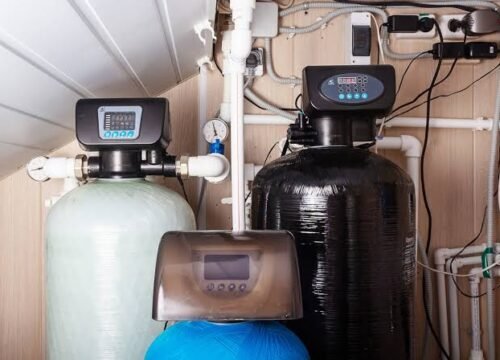
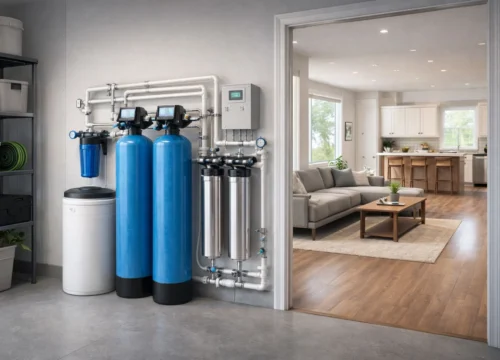
That’s where Whole-house water softening systems can become a practical option. These systems are designed to treat water as it enters the home, helping provide treated water throughout the plumbing system rather than at a single point of use.
For a busy household, that broader approach can make sense. Imagine a family with multiple bathrooms, frequent laundry, a dishwasher running almost every day, and plenty of showers happening before school or work. Hard water can affect all of those routines.
A whole-home system may help reduce mineral buildup in fixtures and appliances while improving the overall experience of using water throughout the house.
Still, the system needs to fit the household. A large family with significant water use may have different requirements from a retired couple living in a smaller home. Water usage patterns matter more than many people realize.
Buying equipment without considering daily demand is a little like purchasing shoes without checking the size. You might get lucky, but it’s not exactly the strategy you’d recommend to a friend.
Looking at Salt-Free Alternatives
Not every homeowner wants a traditional salt-based water softener. Some people are interested in alternatives because of maintenance preferences, installation considerations, or the way they want to manage water treatment in their home.
Salt-free water conditioners are often explored as an alternative approach. Depending on the technology, these systems may be designed to address scale-related concerns without using salt in the same way as conventional ion-exchange softeners.
However, it’s important to understand what a particular system is designed to do rather than assuming all water treatment technologies provide identical results.
This is where marketing can sometimes muddy the waters—no pun intended, although it does fit.
A system that helps manage scale may not necessarily create the same changes in water that a traditional softener produces. That doesn’t automatically make one option better than the other. It simply means homeowners should compare solutions based on their actual goals.
If you want a specific result, ask how the system is designed to achieve it.
Start With Your Actual Water, Not Someone Else’s
One of the most common mistakes homeowners make is choosing a water treatment system based entirely on a recommendation from someone else.
Your neighbor may love their softener. Your cousin may swear by a salt-free conditioner. Someone online may insist that one particular technology is the only sensible choice.
But their water isn’t necessarily your water.
Water characteristics can vary based on location, source, plumbing, and other factors. Even homes in the same general area may have different experiences. That’s why testing and evaluation can be valuable before making a significant investment.
A proper assessment helps answer practical questions. How hard is the water? What other characteristics may be present? Is mineral buildup the main issue, or is something else contributing to the problem?
Once you have better information, the decision becomes less about marketing claims and more about what your home actually needs.
And that’s usually a much better place to start.
Think About the Long-Term Experience
Installing a water treatment system is not just about installation day. The equipment will become part of your home’s routine, ideally for years.
Before choosing a system, it’s worth asking a few simple questions.
How much maintenance will it require? Will filters or other components need regular replacement? Is professional service available when needed? How much space does the equipment require? What happens if your household’s water use changes?
These aren’t glamorous questions, but they matter.
A system that looks impressive on day one can become frustrating if maintenance is difficult or if the equipment doesn’t fit your family’s lifestyle. On the other hand, a well-matched system can quietly do its job in the background while you barely think about it.
That’s actually the goal for most homeowners.
Better Water Should Make Daily Life Easier
At the end of the day, people don’t invest in water treatment equipment because they want another appliance to manage. They want the ordinary things to become a little easier.
They want fewer spots on dishes. Less scale around faucets. Softer-feeling laundry. Easier cleaning. A more comfortable experience in the shower.
Those improvements might sound small, but they happen every day. Over months and years, small conveniences can make a noticeable difference.
The key is not to chase the most complicated technology or the loudest marketing promise. Start with your water. Pay attention to the problems you’re actually experiencing. Consider your household size, water use, maintenance preferences, and long-term expectations.
A traditional softener may be the right fit for one home. A conditioning system may make more sense for another. There’s no universal winner because homes and water conditions simply aren’t universal.
Good water treatment decisions begin with good information. Once you understand the problem, choosing a solution becomes much less intimidating.
And when you finally find the system that suits your home, the best part may be how little you think about it afterward. The dishes are cleaner, the fixtures are easier to maintain, and life moves along without another battle against stubborn mineral spots.
Sometimes, better water really does make the everyday stuff feel just a little bit better.