Better Water, Better Living: Making Everyday Water Work Harder for Your Home
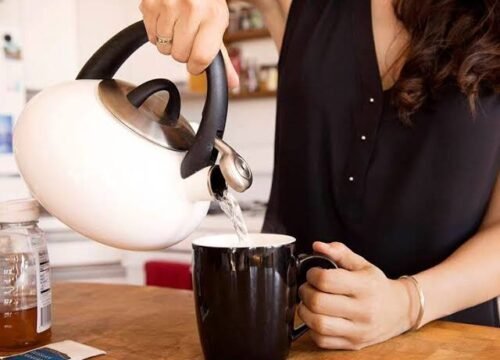
We don’t usually think much about the water running through our homes. It’s there when we wake up, there when we make coffee, and there again when we’re washing dishes late at night. It’s one of those everyday conveniences that becomes almost invisible.
Until it doesn’t.
Maybe the water tastes a little odd. Perhaps your shower leaves your skin feeling dry, or your kettle develops a chalky layer at the bottom. Small things, but they can make you wonder what is actually happening with the water you use every day.
The good news is that improving household water quality doesn’t necessarily mean turning your home into a science experiment. It starts with understanding your water and choosing practical treatment options based on what you actually need.
What Does Better Water Really Mean?
Better Water doesn’t necessarily mean water that has been stripped of every naturally occurring mineral. Water quality is more personal and more complicated than that.
For one household, better water might mean reducing hard-water scale. For another, it could mean improving taste and odor. Someone using a private well might have completely different concerns, such as iron, sediment, bacteria, or naturally occurring minerals.
That’s why a water-quality test can be such a useful starting point. Instead of guessing, you get information that helps you understand what is present and whether treatment is appropriate.
Why Water Quality Matters Around the House
The water coming from your tap isn’t used only for drinking.
You shower in it. You wash clothes with it. You clean dishes, make meals, brush your teeth, and fill appliances with it.
Hard water, for example, can create mineral buildup inside plumbing fixtures and appliances. Over time, scale can become difficult to remove, particularly around faucets, showerheads, and water heaters.
Water with unpleasant odors or excessive chlorine can also affect the experience of drinking and cooking. Even when the issue isn’t a serious health concern, improving taste can make it easier for people to drink more water throughout the day.
It’s a small change, perhaps, but small changes are often the ones that stick.
Understanding Alkaline and Ionized Water
You may have heard plenty of conversation around Alkaline / Ionized Water, particularly in health and wellness circles.
Ionized water is typically produced by an electrolysis process that changes the water’s pH. Some systems also advertise antioxidant properties or other wellness benefits.
Here’s where a little caution is useful. The body regulates its internal pH very tightly, and drinking alkaline water shouldn’t be viewed as a cure for diseases or a replacement for medical care.
For many people, the biggest practical benefit of a home water system may simply be improved taste and convenience. If the water tastes good, you may be more inclined to drink it regularly. That’s a pretty sensible benefit on its own.
Filtration and Softening Aren’t the Same
One of the most common misunderstandings in home water treatment is assuming every system does the same thing.
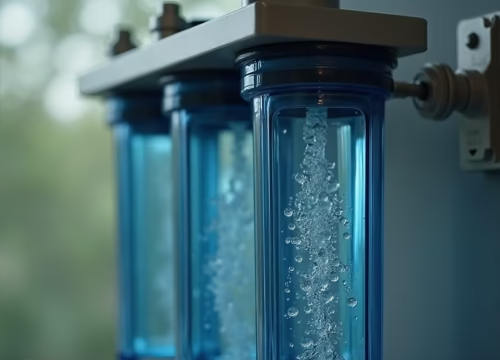
A filter generally targets specific particles, chemicals, or contaminants depending on its design. A water softener, meanwhile, is primarily intended to reduce hardness minerals such as calcium and magnesium.
If your main problem is white scale around your faucets, a softener may be more relevant than a basic drinking-water filter.
If your concern is unpleasant taste or chlorine, activated-carbon filtration may be useful.
And if you’re worried about a specific contaminant, you need a system that has actually been designed and tested for reducing that substance.
The label “water purifier” doesn’t tell you nearly enough by itself.
Testing Your Water Before Choosing Equipment
It’s tempting to start shopping immediately. There are plenty of attractive systems online, complete with impressive specifications and glossy photographs.
But water treatment is one area where testing first usually makes sense.
A water test can help identify hardness, pH, iron, chlorine, total dissolved solids, and other parameters. Private well owners may need additional testing depending on their location and circumstances.
Testing also gives you a baseline. If you install treatment equipment later, you can compare results and determine whether the system is actually doing what you expected.
That is much more useful than relying on a filter’s marketing language.
Don’t Forget About Maintenance
Even an excellent water treatment system needs attention.
Filters eventually need replacing. Softening systems require regular care. Some equipment needs periodic cleaning or professional inspection. If maintenance is ignored, performance can gradually decline.
Before buying anything, ask what the ongoing costs will be. How often do filters need changing? Are replacement cartridges easy to find? Does the system require electricity? What happens if a component fails?
These aren’t glamorous questions, but they can make a big difference five years down the road.
Water Quality Can Affect Everyday Comfort
There’s also a comfort factor that doesn’t always show up on a product specification sheet.
Better water can mean fewer spots on shower glass. It can mean less scale around faucets, cleaner-looking dishes, or water that simply tastes nicer when you pour a glass.
For households with hard water, reducing mineral buildup may also make cleaning feel less like a never-ending chore.
Nobody dreams about scrubbing calcium deposits on Saturday morning. If better water can reduce that job, that’s a win.
Choosing a System for Your Lifestyle
The right water solution depends on your home and how you use water.
A small household may be perfectly happy with a point-of-use drinking-water filter. A larger family might benefit from whole-home treatment. Someone with hard well water may need softening alongside drinking-water filtration.
Budget matters, too. But don’t look only at the purchase price. Consider installation, replacement filters, electricity, maintenance, warranties, and expected lifespan.
A cheaper system that requires frequent expensive cartridges may cost more in the long run.
Better Water Starts With Practical Choices
There’s no need to chase every new water trend or buy equipment simply because it promises to transform your life.
Start with the basics. Understand your water. Test it when appropriate. Identify the actual problem. Then choose a treatment method that addresses that problem without adding unnecessary complexity.
For some people, the improvement may be dramatic. For others, it might simply be better-tasting water and fewer annoying stains around the house.
Either way, Better Living at Home often comes down to these quiet improvements—the ones you notice gradually, almost without thinking about them.
Clean, pleasant water should feel ordinary. And perhaps that’s the best measure of a good water-treatment system: once it’s doing its job properly, you barely have to think about it at all.