Smarter Plumbing Starts With Solutions That Fit Your Home
Plumbing is one of those things most people barely think about until something goes wrong. A tap starts dripping in the middle of the night. The shower suddenly loses pressure. A drain refuses to clear, or the water heater decides it has had enough.
And then comes the bigger question: who do you call?
The answer isn’t always the company with the biggest advertisement or the lowest quote. Good plumbing is about understanding the home, finding the real cause of the problem and choosing a solution that makes sense for the people living there. Sometimes the repair is simple. Sometimes the entire system needs a closer look.
The best results usually come from practical decisions rather than quick fixes.
Every Home Has Different Plumbing Needs
Two houses on the same street can have surprisingly different plumbing systems. One might have older galvanized pipes, while another has modern plastic piping. One family may use a great deal of hot water, while another hardly needs it.
That’s why plumbing solutions tailored to you can be more useful than a standard approach. A professional should consider the home’s age, water usage, existing fixtures, pressure levels and the homeowner’s plans before recommending major work.
For example, replacing a worn-out faucet is straightforward. But if several fixtures have low pressure, replacing one faucet probably won’t solve the underlying issue.
Looking at the bigger picture first can prevent unnecessary spending.
Small Problems Often Tell a Bigger Story
A dripping faucet is annoying, but it can also be a reminder that something needs attention. The same goes for toilets that keep running, slow drains or damp patches beneath a sink.
These issues are easy to postpone because they’re not always emergencies. Life gets busy, after all.
Still, repeated plumbing problems deserve some investigation. A slow drain may indicate buildup deeper inside the pipe. A damp cabinet could suggest a hidden leak. An unusual water bill might point toward water escaping somewhere it shouldn’t.
Getting these signs checked early can be far less stressful than waiting until the ceiling develops a suspicious brown patch.
What Complete Plumbing Service Should Include
A good plumbing provider should be able to handle more than one narrow type of repair. Homeowners often need help with several parts of their plumbing system over the years.
This is where complete plumbing solutions can make life easier. Depending on the provider, services may include:
- Leak detection and repair
- Drain cleaning
- Pipe repair and replacement
- Faucet and fixture installation
- Toilet repairs
- Water heater servicing
- Bathroom and kitchen plumbing
- Water pressure troubleshooting
- Preventive maintenance
- New plumbing installations
Having one reliable professional or company for multiple needs can save time. More importantly, someone familiar with the property’s plumbing history may spot patterns that a technician seeing the system for the first time could miss.
Choosing the Right Water Heater
Water heating is another area where homeowners have more choices than they used to. Traditional storage tanks remain common, but modern alternatives can offer different advantages depending on the property.
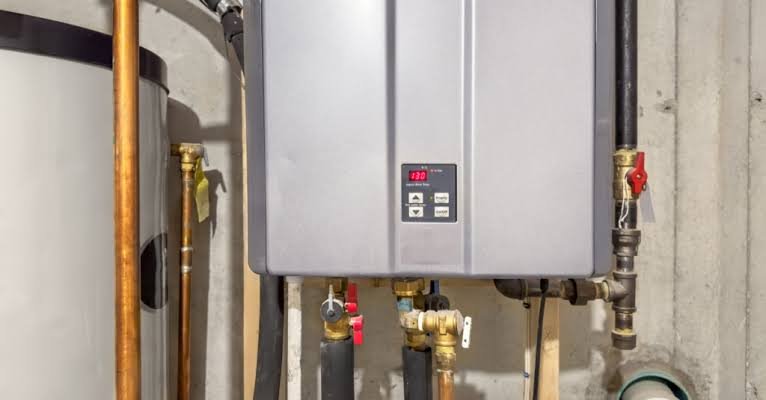
Tankless water heaters heat water as it is needed instead of storing a large volume continuously. This can be appealing for households looking to reduce standby heat loss or save space.
However, tankless systems aren’t automatically the perfect choice for every home. Installation requirements, household demand, incoming water temperature and available fuel or electrical capacity all matter.
A family with several people showering one after another will have different needs from a single occupant in a smaller home.
The right decision comes from looking at actual usage rather than simply choosing whatever system happens to be popular.
Water Pressure Deserves Attention
Water pressure is one of those plumbing details people notice immediately when it isn’t right.
Low pressure can make showers frustrating and affect appliances. Excessively high pressure can put unnecessary strain on pipes, valves and fixtures.
There are several possible causes, including partially closed valves, clogged components, damaged pipes or problems with the incoming supply.
That’s why guessing can be risky. Replacing a fixture might help in one situation but do nothing in another.
A professional assessment can determine whether the problem is local or connected to the wider plumbing system.
Preventive Maintenance Is Easier Than Emergency Repair
Nobody plans to wake up to a flooded bathroom.
While emergencies can’t always be avoided, routine maintenance can reduce the chances of certain failures. Checking visible pipes for corrosion, inspecting exposed connections and paying attention to changes in water pressure are simple habits.
Water heaters, in particular, benefit from periodic attention. Sediment can accumulate in some systems, while aging valves and connections can eventually develop problems.
Regular inspections don’t guarantee that nothing will ever break. Plumbing isn’t magic. But they can help identify warning signs while they’re still manageable.
Good Materials Matter as Much as Good Work
Even excellent installation won’t compensate for unsuitable or poor-quality materials.
Pipes, seals, connectors and valves should be selected according to the plumbing system and the specific application. A professional should also explain significant material choices when they affect durability, performance or cost.
This is particularly important when plumbing is installed behind walls or beneath flooring. Nobody wants to open up a newly renovated bathroom because an inexpensive component failed six months later.
Sometimes paying a little more for appropriate materials is simply the sensible choice.
Renovation Is a Good Time to Rethink Plumbing
Home renovations often focus on appearance. New tiles, cabinets, lighting and fixtures get most of the attention.
But what’s behind the walls matters too.
If you’re renovating a kitchen or bathroom, it’s worth examining old pipes, shut-off valves and drainage before everything gets covered again. Moving fixtures can also change the plumbing requirements considerably.
A little planning at the renovation stage can prevent expensive disruption later.
Don’t Let Price Be the Only Factor
Everyone has a budget. That’s completely reasonable.
But the cheapest plumbing quote isn’t necessarily the best value. A low initial price can become expensive if the repair fails, additional problems are discovered later or poor materials need replacing.
Instead, compare the overall value: experience, communication, workmanship, materials, warranties where applicable and the scope of the proposed work.
A trustworthy plumber should be able to explain what they’re doing without making you feel pressured.
Plumbing Should Make Home Life Easier
At its best, plumbing is almost invisible. You turn on a tap, take a shower and flush the toilet without giving the system a second thought.
That’s exactly how it should feel.
When problems appear, the goal shouldn’t simply be to make the immediate symptom disappear. The better approach is to understand why it happened and determine whether a longer-term improvement makes sense.
A thoughtful plumbing professional looks beyond the leaking pipe or blocked drain. They consider the home, the people using it and what will work comfortably in the years ahead.
Because ultimately, the best plumbing isn’t about having the most complicated system. It’s about having a dependable one that fits your home, your habits and your everyday life.