Small Changes in Your Water That Shouldn’t Be Ignored
Water is such a normal part of everyday life that most of us barely notice it. We turn on the tap, fill a glass, take a shower, wash the dishes, and move on with the day. But when something changes—a new smell, strange taste, cloudy appearance, or stubborn residue—it can suddenly become impossible to ignore.
Not every change means there is a serious problem. Sometimes the explanation is simple. Still, recurring symptoms are worth paying attention to, especially when they start showing up in several parts of the house. Understanding the clues can help homeowners decide when it makes sense to test their water and consider treatment.
Look Beyond What You Can See
Water quality isn’t always obvious just by looking at a glass. Some concerns are visible, while others only become noticeable through taste, smell, or the way water behaves around the house.
One of the first signs you may have a water problem is a noticeable change from what you’re used to. Maybe the water suddenly tastes different in the morning, or perhaps you find yourself cleaning the same faucet every few days because of a stubborn deposit.
A single unusual event isn’t necessarily a reason to panic. But if the same thing keeps happening, it’s reasonable to investigate.
Those Marks Around the Faucet Tell a Story
One of the most frustrating household chores is cleaning mineral residue from fixtures. You scrub the faucet, wipe it dry, and a few days later the marks seem to have returned as if they never left.
Hard water is a common reason for this. Calcium and magnesium dissolved in water can remain behind after the water evaporates. Over time, that can produce white or chalky deposits on faucets, showerheads, glass doors, and sinks.
Other minerals can contribute to discoloration as well, so appearance alone isn’t enough to identify the exact cause.
What About Spots on Dishes?
You may notice the same issue after running the dishwasher. Glasses can come out with cloudy marks, silverware may lose some of its shine, and dishes don’t always look as clean as expected.
These spots or staining can be frustrating because they make perfectly clean dishes appear dirty.
Hard water can contribute to this problem because minerals remain on surfaces as water dries. Using additional detergent might seem like the obvious answer, but it doesn’t always address the underlying water chemistry.
If the issue is widespread, testing the water can provide a much better starting point.
Your Shower Can Offer Another Clue
The bathroom is often where water-quality problems become particularly noticeable. Showerheads may develop mineral deposits, water pressure can feel different as openings become clogged, and glass doors may collect a stubborn film.
Soap and shampoo can also behave differently in hard water. You may use more product than usual and still feel like it isn’t rinsing properly.
These things don’t necessarily prove that your water is hard, but when several symptoms appear together, they create a useful pattern worth investigating.
Why Skin and Hair Get Mentioned
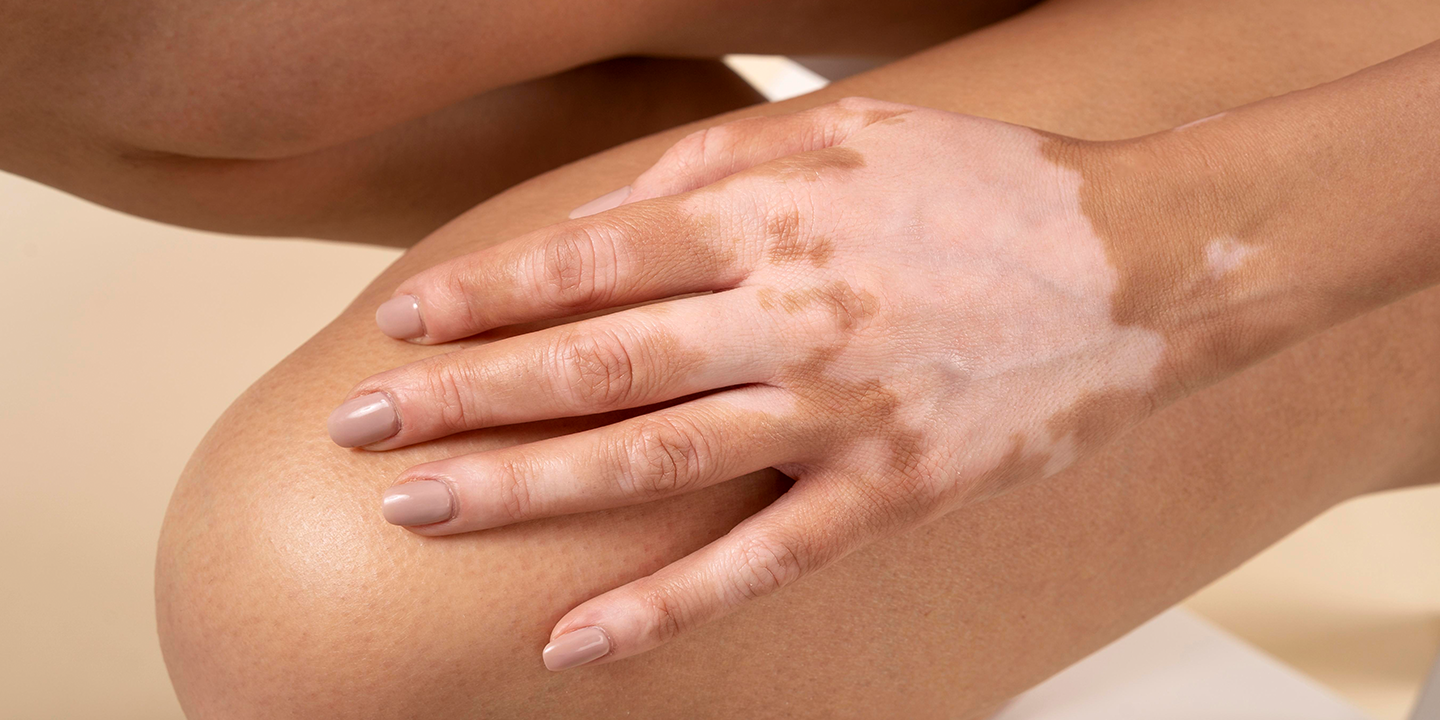
Some homeowners notice that their skin feels uncomfortable after showering. dry skin can have countless causes, including weather, indoor humidity, bathing habits, personal-care products, and individual sensitivity.
Water characteristics may also influence how skin feels after washing. Hard water can interact with soap and may leave mineral residue behind, which some people find unpleasant.
It’s important not to assume that water is automatically responsible. But if skin discomfort appears at the same time as scale, spots, and poor soap performance, checking the water may be worthwhile.
Don’t Try to Diagnose Everything Yourself
There is a temptation to look at a symptom and immediately decide what treatment you need. White residue means a softener, strange taste means a filter, and so on.
Real water quality is a little more complicated.
Different minerals and substances can create similar-looking symptoms. A water test can help determine what is actually present and whether treatment is necessary.
That information can save money in the long run because you’re choosing equipment for a real reason rather than simply hoping it works.
Hard Water Is Common, But It Isn’t the Only Possibility
Hardness gets a lot of attention because it can create so many everyday annoyances. Calcium and magnesium can contribute to scale, spots, and soap-related problems.
But other characteristics matter too. Sediment can affect appearance, while certain substances may influence taste or odor. Water from a private well may have different characteristics than treated municipal water.
This is why there isn’t one universal water-treatment system for every home.
Choosing the Right Treatment
Once testing identifies the concern, the treatment options become easier to understand.
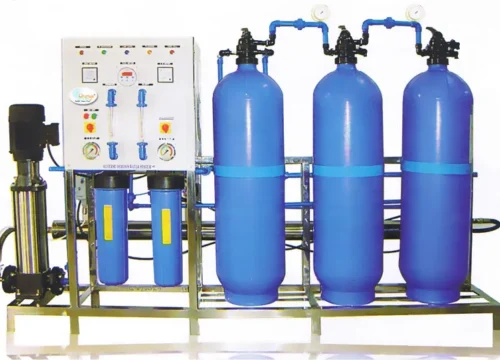
A water softener may be considered when hardness is the primary issue. Carbon filtration can be useful for certain taste and odor concerns. Reverse osmosis may be appropriate for some drinking-water applications, while specialty filtration can target particular substances.
The best system isn’t necessarily the one with the longest list of features. It’s the one that addresses the problem you actually have.
Maintenance Shouldn’t Be an Afterthought
If you already have a treatment system, don’t forget about routine maintenance.
Filters have a limited service life. Softening equipment may need periodic attention, and other treatment components can require inspection or replacement.
A neglected system can gradually lose effectiveness, even if the equipment itself was perfectly suitable when installed.
Keeping a simple maintenance schedule is one of those boring little jobs that pays off later.
Pay Attention to Sudden Changes
A sudden change in water deserves a little more attention than a long-standing, minor annoyance. If the taste, smell, appearance, or behavior of your water changes unexpectedly, consider what else might have changed around the same time.
Plumbing work, seasonal conditions, water-source changes, or other circumstances can sometimes affect what comes from the tap.
If the change continues, testing is a sensible next step.
Better Water Starts With Better Information
Water treatment doesn’t need to be complicated. You don’t have to understand every technical term or become an expert in water chemistry.
Start with observation. Notice the patterns around your home. If something keeps happening, test the water and learn what the results actually mean.
From there, choose treatment that fits the situation and remember that proper maintenance is part of the deal.
The little signs may seem insignificant at first—a spot on a glass, a mark around the faucet, water that tastes slightly different. But paying attention early can save you from years of unnecessary cleaning, guesswork, and frustration.
Sometimes better water starts with something as simple as noticing that the water isn’t behaving the way it used to.