Better Water at Home: Choosing the Right System for Cleaner, Healthier Drinking Water
There’s something easy to take for granted about turning on a tap and filling a glass. We expect the water to look clear, smell fine, and taste normal. But water quality isn’t always that simple. Depending on where you live, your household water may contain excess minerals, chlorine, sediment, metals, or other unwanted substances. Even water that meets local safety standards can have qualities that make it less pleasant to drink or harder on plumbing.
That’s where the right home water treatment approach can make a real difference. From drinking water systems designed for the kitchen tap to solutions that treat water throughout the house, homeowners have more choices than ever. The trick is understanding what each system actually does — and choosing one based on your water, not simply the latest product advertisement.
Understanding What’s Really in Your Water
Water can pick up different substances as it travels through groundwater, pipes, storage tanks, and municipal treatment networks. Some are harmless but affect taste or appearance. Others may become a concern when present above recommended levels.
Hard water is a common example. It contains elevated levels of minerals such as calcium and magnesium. You might notice white spots on dishes, scale around faucets, stiff laundry, or soap that refuses to lather properly. It’s not usually a sign that the water is unsafe, but it can certainly become a household nuisance.
Then there’s chlorine, which municipalities often use for disinfection. Chlorine plays an important role in keeping public water supplies safe, yet some people dislike its taste or smell. Private wells bring their own set of possibilities, including iron, manganese, sediment, sulfur compounds, and other naturally occurring contaminants.
In other words, there isn’t one universal water problem. And that means there shouldn’t be one universal solution either.
When Water Softeners Make Sense
If hard water is your main concern, water softeners can be a practical option. Unlike filters that primarily remove particles or specific contaminants, a traditional water softener is designed to reduce hardness minerals through a process called ion exchange.
The benefits can show up in surprisingly ordinary places. Softer water may help reduce scale buildup inside water heaters and plumbing fixtures. Soap and shampoo can rinse more easily, while clothes may feel less stiff after washing. You may also spend less time scrubbing mineral deposits from shower doors and sinks.
Still, a softener isn’t a magic box that fixes every water-quality issue. It isn’t primarily intended to remove contaminants such as bacteria, viruses, or many dissolved chemicals. That’s why testing your water first is so important.
Think of it like fixing a car. You wouldn’t replace the tires because the engine was making a strange noise. First, you figure out what’s actually wrong.
Why Whole-House Filtration Can Be Useful
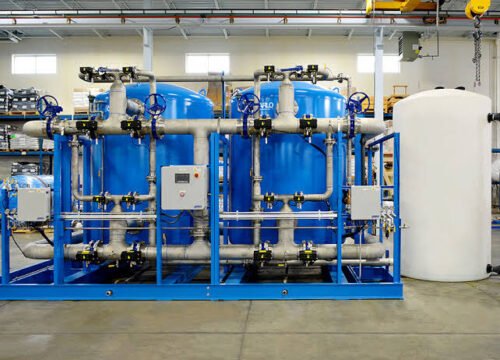
For households dealing with several water-quality concerns, whole house water filters can offer a broader approach. These systems are generally installed at the point where water enters the property, allowing treated water to flow to multiple fixtures.
That can be especially useful when the concern isn’t limited to drinking water. Imagine showering in water with an unpleasant chlorine smell, washing clothes in sediment-filled water, or noticing discoloration in several faucets. Treating water at one point can address household-wide issues rather than focusing only on a single kitchen faucet.
The type of filter matters, though. Carbon filtration can help with chlorine, taste, and odors. Sediment filters can capture particles such as sand, dirt, and rust. More specialized media may be used for particular contaminants.
Before buying anything, check the system’s certified performance claims. A filter that removes chlorine isn’t necessarily designed to remove lead, nitrates, bacteria, or every other contaminant under the sun.
Drinking Water Deserves Extra Attention
Even when household water is generally acceptable, many homeowners prefer an additional layer of treatment for the water they actually drink and cook with.
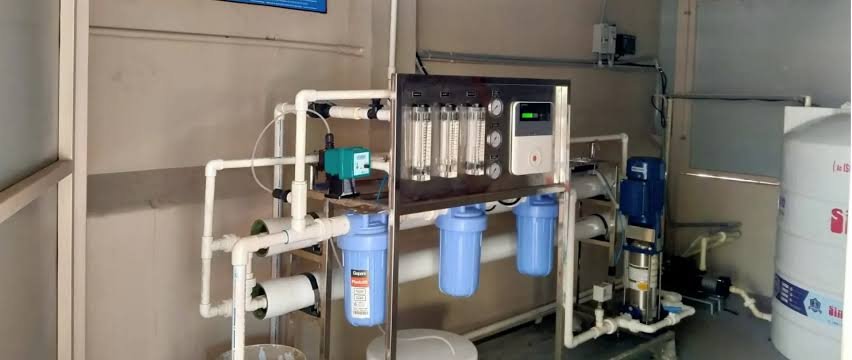
Point-of-use systems can be particularly convenient because they focus treatment where it matters most: the kitchen. Reverse osmosis systems, activated carbon filters, and other technologies can target different water-quality concerns depending on their design.
Reverse osmosis, for instance, uses a semipermeable membrane to reduce many dissolved substances. It can be useful when testing identifies contaminants that ordinary carbon filtration isn’t designed to address. However, RO systems also produce wastewater and require filter and membrane replacement, so maintenance should be part of the buying decision.
Convenience matters, too. A technically excellent system that nobody maintains won’t perform well for long.
Start With a Water Test, Not a Sales Pitch
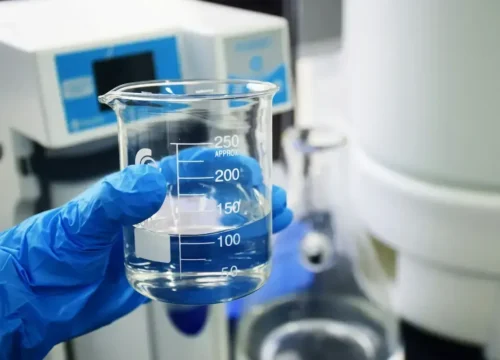
One of the smartest steps a homeowner can take is getting the water tested before investing in treatment equipment.
A basic test can provide useful information about hardness, pH, chlorine, iron, and other common indicators. Depending on the property and local conditions, additional testing may be appropriate for contaminants such as lead, arsenic, nitrate, or microbial contamination.
For private wells, regular testing is especially important because the quality can change over time. Heavy rainfall, flooding, nearby agricultural activity, construction, or changes in the well itself may affect what’s coming out of the tap.
Once you know what’s actually present, choosing a treatment method becomes much less of a guessing game.
Don’t Forget Maintenance
Buying a water treatment system isn’t the finish line. Filters need replacing. Softener systems may need salt or other maintenance. UV systems require periodic servicing and component replacement. Storage tanks and membranes also have their own maintenance schedules.
Ignoring those requirements can reduce performance and, in some cases, create new hygiene concerns.
So before purchasing, ask a few unglamorous but important questions: How often do filters need changing? What do replacements cost? Does the system require professional service? How much water does it waste? Is there a warranty? And can replacement parts be obtained easily?
These details aren’t exciting, but they can save plenty of frustration later.
Cleaner Water Strategy Starts With the Basics
There’s no need to turn water treatment into a complicated science project. Start by understanding your source water, identify the problems that actually matter, and then choose technology designed for those specific concerns.
A softener can be excellent for hard water. A whole-house filter may make sense for household-wide taste, odor, or sediment issues. A point-of-use system can provide additional treatment for drinking and cooking water. Sometimes, a combination of approaches is the most sensible answer.
The goal isn’t to buy the biggest system or the most expensive one. It’s to make the water in your home better suited to your needs — cleaner, more pleasant, and easier on the people and plumbing that depend on it every day.
Good water treatment is rarely about chasing perfection. It’s about knowing what you have, understanding what you need, and making a thoughtful choice.