What Your Water Is Telling You: A Practical Guide to Better Water Quality
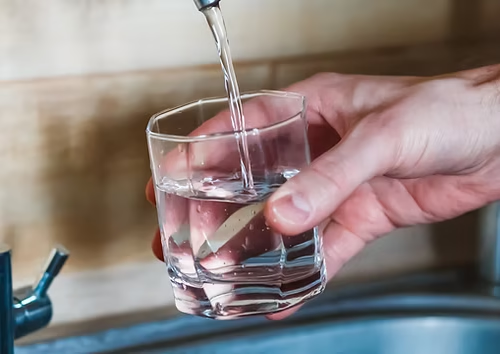
We tend to trust water because it looks clean. Turn on the tap, fill a glass, and there’s rarely any obvious reason to question it. But clear water isn’t necessarily the whole story. Minerals, sediment, chlorine, metals, and microorganisms can all affect water quality in ways that aren’t visible to the naked eye.
Sometimes the clues are subtle. A strange taste. White scale around the faucet. A shower that leaves your skin feeling unusually dry. Maybe your water heater seems to be working harder than it used to. These little annoyances can be signs that your water deserves a closer look.
The good news is that understanding your water doesn’t have to be complicated. A little testing, followed by the right treatment approach, can make a meaningful difference for a home or business.
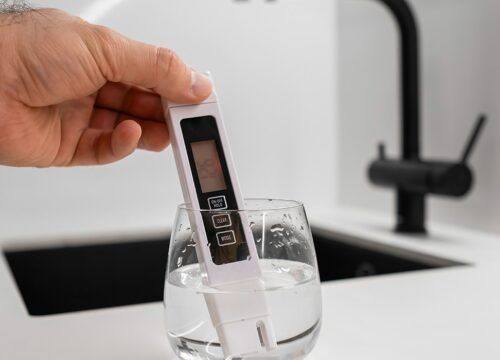
Start With a Simple Water Test
Before spending money on filtration equipment, find out what’s actually in your water. This sounds obvious, but it’s a step many property owners skip.
A free water test can be a useful starting point when offered by a qualified water-treatment professional. Depending on the test, you may learn about hardness, pH, chlorine, iron, sediment, and other characteristics that influence water quality.
Testing is especially useful for homeowners who rely on private wells. Unlike municipal supplies, well water can vary considerably based on groundwater conditions, surrounding geology, and seasonal changes.
A test won’t magically solve a water problem, of course. What it does is give you information. And good information is a much better foundation for choosing treatment equipment than guessing based on a neighbor’s setup or something you saw advertised online.
Why Water Quality Can Affect Everyday Life
Water quality isn’t just about whether water tastes good in a glass.
Hard water, for example, contains minerals that can create scale on faucets, showerheads, appliances, and plumbing components. Over time, deposits may become increasingly difficult to remove. You might also notice that soaps don’t lather as easily or that freshly washed dishes have spots.
Sediment can create another set of problems. Fine particles may affect fixtures and appliances, while unpleasant odors or tastes can make people reluctant to drink tap water.
The important thing is to identify the specific issue. Treating hardness won’t necessarily address every contaminant, and a filter designed for chlorine isn’t automatically a solution for everything else.
Choosing the Right Water Filtration System
Once you understand the water, treatment becomes much more straightforward.
Water filtration can take several forms, depending on what needs to be reduced or removed. Carbon filters are commonly used to improve taste and reduce chlorine. Sediment filters can capture suspended particles. Reverse osmosis systems can address certain dissolved substances and are often installed at specific drinking-water points.
Whole-home systems are another option when the goal is to treat water throughout the property rather than only at the kitchen sink.
But more filtration isn’t always better. A system should be selected based on the water analysis, household needs, available space, maintenance requirements, and budget.
A good treatment professional should be willing to explain what a system does—and just as importantly, what it doesn’t do.
Private Wells Need Extra Attention
Well owners have a different relationship with their water supply. There isn’t a municipal treatment facility sitting several miles away handling the process.
That makes routine testing particularly important.
Changes in groundwater conditions, flooding, nearby construction, agricultural activity, or damage to the well system can potentially affect water quality. Testing on a regular schedule helps identify changes rather than leaving homeowners to discover them through taste or appearance.
If your well water suddenly smells different, changes color, or develops an unusual taste, don’t ignore it. Those changes don’t necessarily mean something dangerous is happening, but they are worth investigating.
Businesses Have Bigger Water Demands
For commercial properties, water quality and reliability can directly affect day-to-day operations.
Restaurants use water for food preparation, cleaning, dishwashing, and sanitation. Hotels rely on consistent water service for guests. Manufacturing facilities may require carefully managed water for equipment or production processes.
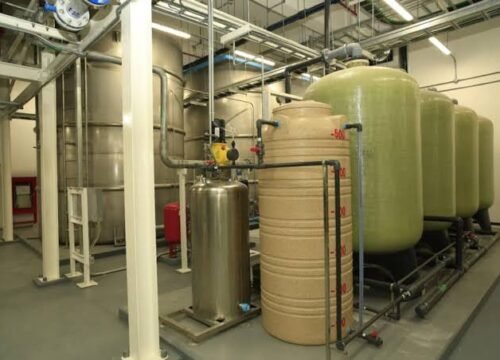
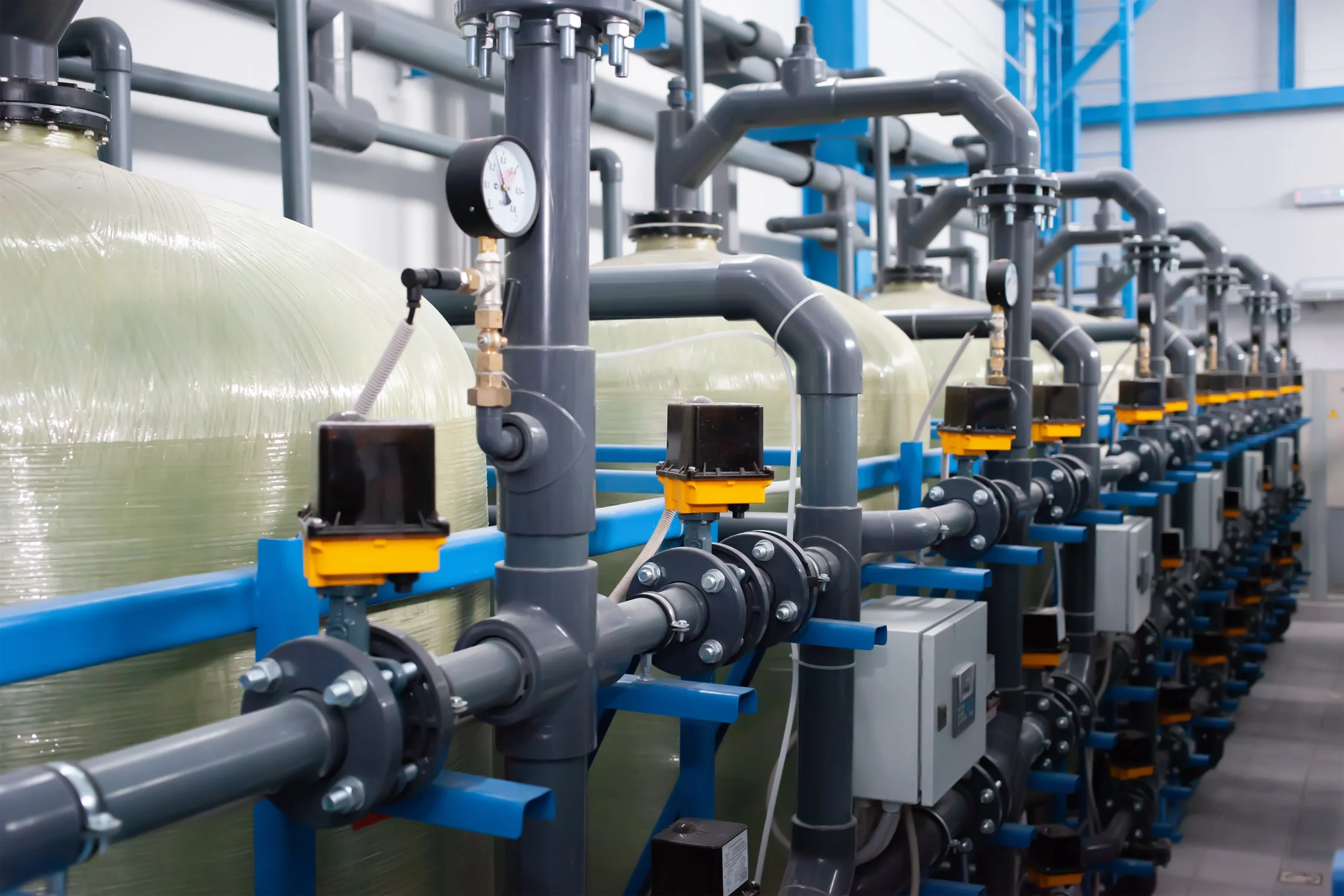
That’s why commercial and industrial services often involve much more than simply installing a filter. Systems may need to handle larger volumes, specific water-quality requirements, pressure considerations, and scheduled maintenance.
A commercial water problem can become an operational problem very quickly. A failing pump or treatment system may interrupt work, increase expenses, or create uncomfortable conditions for employees and customers.
Planning ahead is usually far less disruptive than scrambling for repairs after something fails.
Maintenance Is Where Many Systems Fall Short
Even a well-designed water treatment system needs attention.
Filters eventually become saturated. Components wear out. Tanks and connections need inspection. Water quality can change. Ignoring these realities can reduce system performance and turn a useful investment into an expensive piece of equipment sitting in the corner.
Create a simple maintenance schedule and stick to it. Keep track of filter replacement dates and follow the manufacturer’s recommendations.
If water pressure changes suddenly or the taste and smell of treated water becomes unusual, investigate rather than assuming the system is fine.
Sometimes the fix is simple. A clogged filter, for example, can make an otherwise healthy system seem broken.
Don’t Let Price Be the Only Factor
Budget matters. Nobody wants to spend more than necessary.
Still, comparing systems solely by their initial price can be misleading. Look at the long-term picture: filter replacement costs, electricity consumption, maintenance, expected lifespan, installation quality, and the amount of water the system may waste.
A cheaper system that requires frequent replacements may eventually cost more than a higher-quality option that’s easier to maintain.
The best solution isn’t necessarily the most expensive one. It’s the one that solves the actual problem without creating unnecessary complications.
Better Water Starts With Knowing What You Have
Water treatment doesn’t need to feel like a maze of technical terms and complicated equipment. Start with the basics: identify your water source, test the water, understand the results, and choose treatment based on evidence.
For some properties, simple filtration may be enough. Others may benefit from specialized systems or a combination of treatments. Businesses and industrial facilities may need larger, customized solutions.
The point is to stop guessing.
Water is part of everyday life, so its quality deserves more attention than we usually give it. With sensible testing, appropriate filtration, and regular maintenance, you can protect your plumbing, improve everyday water use, and make decisions with a little more confidence.
Sometimes the smartest water upgrade isn’t the biggest one. It’s simply the one that addresses the problem you actually have.