A Practical Guide to Better Water: From the Main Line to the Kitchen Tap
Water quality is one of those household issues that tends to stay in the background until something changes. Maybe the water suddenly tastes different. Perhaps there’s a strange smell after filling a glass, or mineral deposits start appearing around faucets and showerheads. Sometimes, nothing looks wrong at all, but you still find yourself wondering whether the water coming into your home is as clean as you’d like it to be.
That question is worth asking.
We use water for practically everything—drinking, cooking, bathing, washing clothes, cleaning dishes and even caring for plants. So improving water quality isn’t really about one glass of water. It’s about making an everyday part of your home work better.
The challenge is figuring out where to start. There are countertop filters, under-sink units, whole-house systems, softeners and a long list of technologies with names that sound like they belong in a chemistry textbook.
Fortunately, it doesn’t have to be that complicated.
Start With the Source
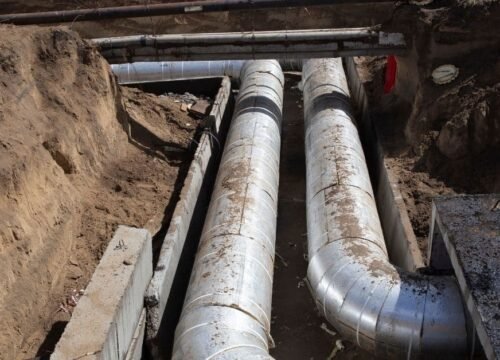
The first step is understanding where your household water comes from.
A home connected to a municipal supply may have different characteristics from a property using a private well. Even homes in the same neighborhood can experience different issues because plumbing, water sources and local conditions aren’t necessarily identical.
That’s why city water or well water shouldn’t automatically be treated as interchangeable when you’re choosing a filtration system.
Well water, for example, can sometimes contain naturally occurring minerals, sediment or other substances influenced by local geology. Municipal water is generally treated before distribution, but homeowners may still have concerns about taste, odor, chlorine or aging household plumbing.
Testing your water can provide a much clearer picture.
Instead of guessing which filter you need, you’ll have information that can help determine what should actually be treated.
One Filter Doesn’t Solve Every Water Problem
It’s easy to assume that a “whole-house filter” means every possible contaminant has been removed. Real-world water treatment is a little more complicated.
Different technologies are designed for different purposes.
Sediment filters can capture particles. Carbon-based filtration may improve taste and odor while reducing certain substances. Water softeners are designed primarily to address hardness minerals. Reverse osmosis is often used for more intensive drinking-water treatment.
The right system depends on what’s actually in your water.
That’s why a professional assessment can be useful. You don’t want to spend money on equipment that looks impressive but doesn’t address your main concern.
Think of it like buying tires. You wouldn’t choose them based only on how good they look. You’d consider the vehicle, the roads, the climate and how you actually drive. Water treatment works in much the same way.
Whole-Home Treatment and Drinking Water Are Different Needs
Some homeowners mainly want better water from the kitchen tap. Others want treatment throughout the property.
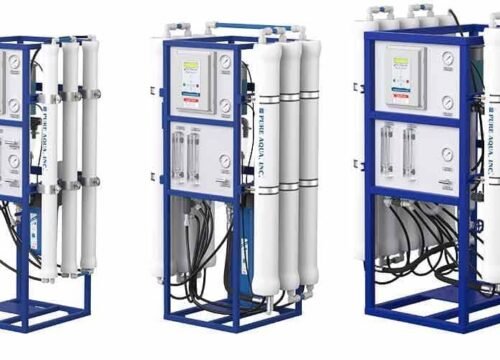
Whole Home Water Filtration & Drinking Water Systems can address these needs through different approaches, depending on the equipment selected.
A whole-home filtration system is typically installed where water enters the property. Treating water at this point allows the system to provide filtration throughout the home’s plumbing.
Drinking-water systems, meanwhile, can focus treatment on the water used for drinking and cooking. An under-sink reverse osmosis system, for example, can provide highly treated water through a dedicated faucet.
There isn’t necessarily a winner between the two. It depends on your priorities.
If your main issue is unpleasant drinking-water taste, a point-of-use system might be enough. If you have water-quality concerns throughout the property, whole-home treatment may make more sense.
Sometimes homeowners choose a combination because their needs are broader.
Why a Final Stage Can Matter
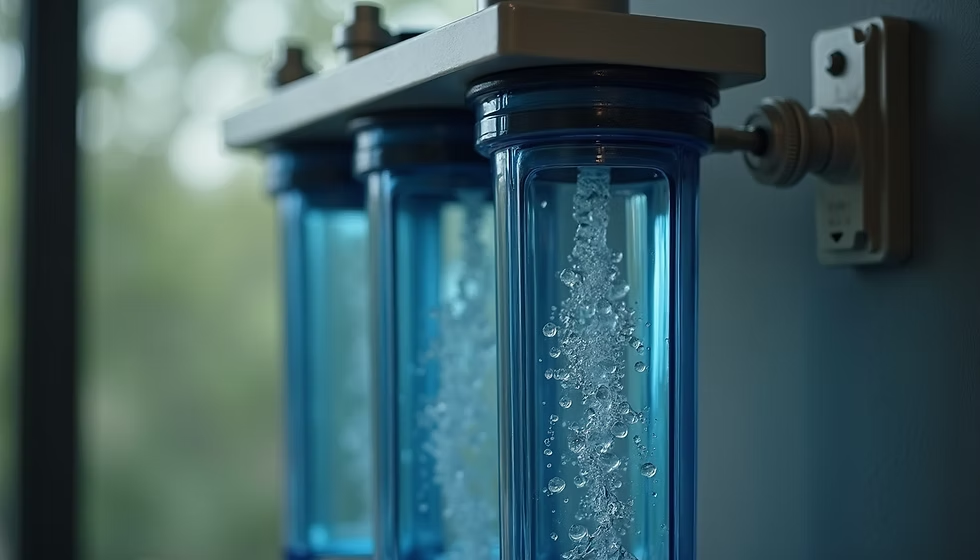
Water treatment often involves multiple stages rather than one single filter.
For example, a system might first remove larger particles, then address specific substances, and finally improve taste. Each stage has a particular job.
A final filtration stage can serve as an additional layer of treatment before water reaches the point of use. Depending on the system, this can provide what some homeowners think of as final barrier protection.
The idea is fairly straightforward: even after earlier treatment stages have done their work, another carefully selected stage can provide an additional level of filtration before the water is consumed.
However, homeowners should pay attention to what a system is actually certified or designed to reduce. “Extra filtration” doesn’t automatically mean “removes everything.”
Clear product specifications matter.
Don’t Forget About Flow Rate
Here’s a detail that’s easy to overlook when shopping for filtration equipment: water flow.
Imagine installing a system that provides excellent filtration but struggles whenever someone takes a shower while the washing machine is running. That’s not exactly the home improvement you were hoping for.
Whole-house systems need to be selected according to household demand. The number of bathrooms, number of residents, peak water usage and plumbing configuration can all influence the appropriate capacity.
Ask about flow rates before installation. A reputable professional should be able to explain how the system will perform under normal household conditions.
It’s a small technical detail, but it can make a surprisingly big difference in everyday comfort.
Maintenance Is Part of the Deal
Even the best filtration equipment needs attention.
Filters eventually become saturated. Membranes need replacement. Some systems require periodic cleaning or professional servicing. If maintenance is ignored, performance can gradually decline.
Before buying a system, find out exactly what maintenance involves.
How often are filters changed? How much do replacements cost? Can you change them yourself? Does the provider offer scheduled service? What happens if the system develops a problem?
These questions may not be exciting, but they can prevent unpleasant surprises later.
A good filtration system should make your life easier—not create another mysterious appliance you don’t know how to maintain.
Choose the System, Not the Sales Pitch
Water treatment can be an expensive investment, so it’s natural to compare products and prices.
Just don’t let a long list of features make the decision for you.
A system with ten stages isn’t necessarily better than one with four. A larger system isn’t automatically more effective. And the most expensive option isn’t always the right fit.
Look for technology that addresses your actual water conditions. Consider installation quality, maintenance, warranty coverage and long-term operating costs.
Most importantly, choose a provider willing to explain the recommendation clearly.
If someone can’t tell you why a particular system is appropriate for your water, it’s reasonable to keep asking questions.
Better Water Starts With Understanding
Clean water doesn’t have to be complicated. The hardest part is often knowing where to begin.
Start with your water source. Test the water. Identify the issues that matter most. Then choose filtration technology that addresses those specific concerns.
Whether you’re looking for whole-home protection, better drinking water, or simply an improvement in taste and everyday usability, the right system should fit your home rather than forcing your home to fit the system.
And once it’s installed and maintained properly, you’ll probably stop thinking about it—which is actually a good thing.
The best water treatment solutions quietly become part of daily life. You turn on the faucet, fill a glass, make dinner, take a shower, and carry on with your day. No fuss. No second guessing. Just water that feels a little more dependable every time you use it.