How a Water Softener Can Make Everyday Housework Feel a Little Easier
Water is one of those things we rarely think about until it starts causing problems. We turn on the tap, run the washing machine, take a shower, and expect everything to work as it should. But the quality of the water flowing through a home can quietly affect appliances, clothes, dishes, plumbing, and even the way cleaning feels.
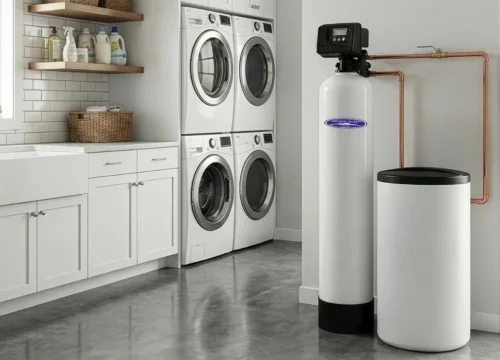
For households dealing with mineral-rich water, installing a whole-house water softener can be a practical way to manage some of these everyday frustrations. It doesn’t magically solve every water-quality issue, of course, but softening the water can make a noticeable difference in places you might not expect.
Understanding What Hard Water Actually Does
Hard water contains higher levels of minerals, mainly calcium and magnesium. These minerals aren’t necessarily dangerous to drink, but they can become a nuisance once the water moves through your home’s plumbing system.
Over time, mineral deposits can collect inside pipes, faucets, showerheads, and water-using appliances. You may notice white marks around taps or a crusty layer on fixtures that seems to return no matter how often you clean it.
There’s another issue, too. hard water can make soaps and detergents work less efficiently. Instead of mixing easily with water and rinsing away, they can react with minerals and leave behind residue.
That’s why a shower may feel different in a home with softened water. Soap can rinse more cleanly, and some people notice that their skin and hair feel less coated afterward.
Why Laundry Can Be More Difficult
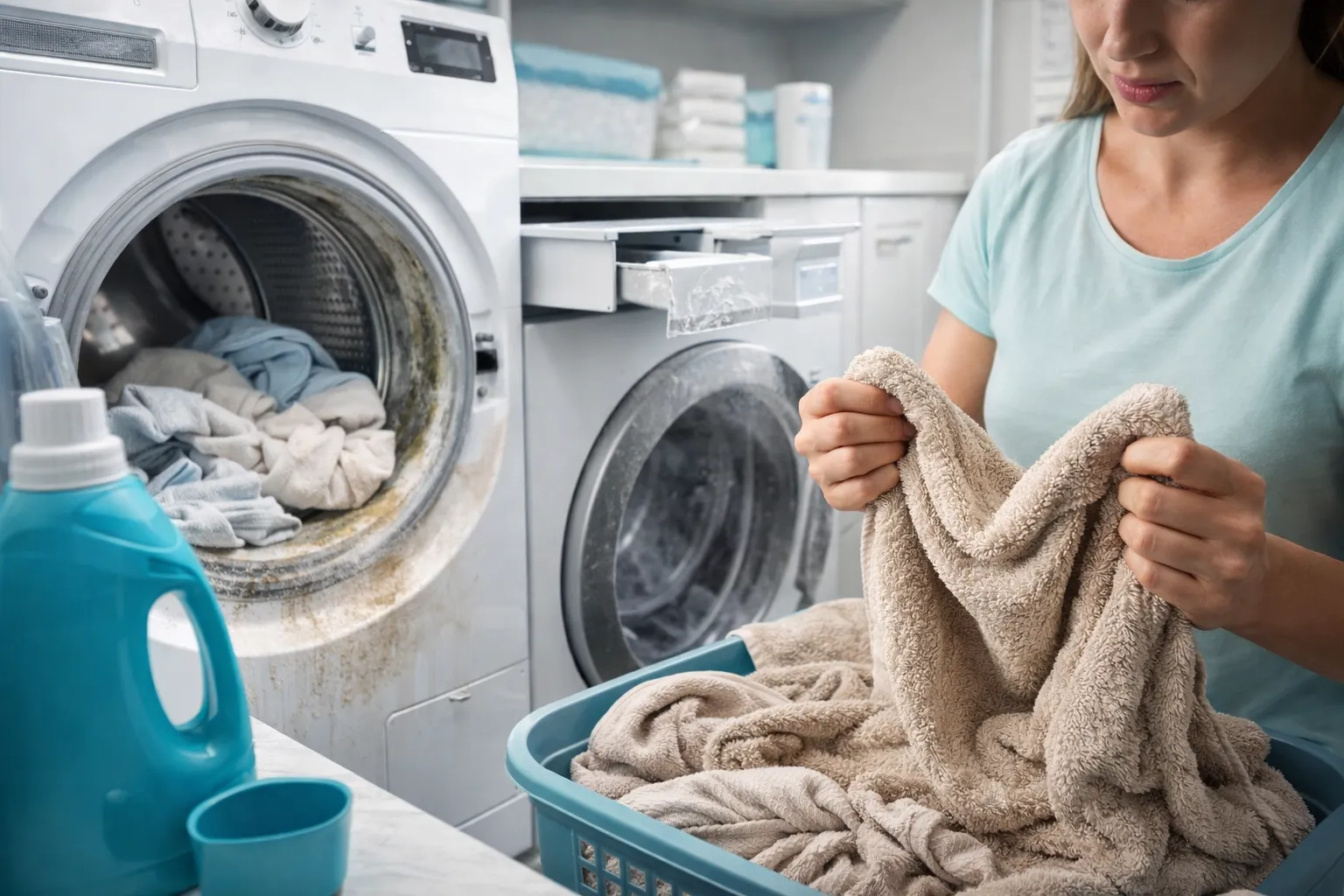
Laundry is one of the first places where water quality becomes surprisingly obvious. Clothes may come out of the washing machine looking clean but feel stiff, dull, or slightly rough.
This doesn’t always mean the detergent is bad or the washing machine needs replacing. Mineral-heavy water can interfere with detergent performance and contribute to residue building up on fabric.
Over time, Poor quality laundry washing can also become frustrating because you’re using more detergent while still feeling that the clothes aren’t as fresh as they should be. Towels may lose their softness, colors can appear less lively, and white fabrics may gradually look grayish.
Softened water can help detergents perform more effectively because there are fewer hardness minerals competing with the cleaning agents. That doesn’t mean you should pour in extra detergent. In fact, many households may find that they need less once the water is properly softened.
Your Appliances May Benefit, Too
Think about how many appliances use water every day. There’s the washing machine, dishwasher, water heater, coffee maker, and sometimes an ice maker or other connected appliance.
Mineral buildup can gradually affect water-heating equipment in particular. When minerals settle onto heating elements or collect inside components, the appliance may have to work harder to deliver the same results.
A water softener can reduce the amount of hardness minerals entering these systems. That may help limit scale accumulation and keep equipment operating more efficiently.
Of course, regular maintenance still matters. A softener isn’t a substitute for cleaning, inspections, or replacing worn parts. It’s simply one more way to reduce the workload placed on water-using equipment.
Less Scrubbing Around the House
Here’s a benefit that’s easy to underestimate: cleaning can become less annoying.
If you’ve ever wiped a bathroom faucet only to see cloudy spots appear again the next morning, you know the feeling. Mineral deposits can make clean fixtures look dirty surprisingly quickly.
Hard-water scale can appear on shower doors, sinks, tiles, faucets, and other wet surfaces. With softened water, there can be less mineral residue left behind, which may mean fewer stubborn spots to scrub.
It won’t eliminate cleaning altogether — nothing does, unfortunately — but it can make routine cleaning feel less like an endless battle.
Choosing the Right Water Softener
Not every household needs the same system. Water hardness, household size, daily water consumption, available installation space, and budget all matter when choosing equipment.
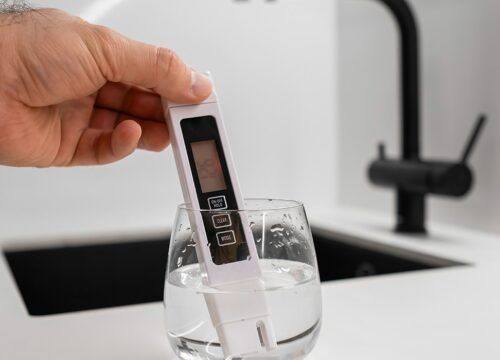
It’s worth having your water tested before purchasing a system. A professional can determine the hardness level and help estimate the appropriate capacity. Buying the biggest system available isn’t automatically the smartest choice.
Maintenance is another consideration. Traditional salt-based softeners require periodic regeneration and salt replacement. Some systems use different technologies, so understanding how each one operates can help you make a more informed decision.
Look beyond the initial purchase price, too. Consider installation, maintenance, replacement components, water usage, and expected operating costs. A cheaper system isn’t necessarily cheaper over several years.
A Small Change That Can Affect Many Parts of Home Life
Water softening isn’t a glamorous home upgrade. Nobody walks into a house and says, “Wow, impressive water treatment system.”
Still, the everyday advantages can add up.
Cleaner-looking fixtures. Better detergent performance. Softer-feeling laundry. Less scale around appliances. Potentially easier maintenance. These are small improvements individually, but together they can make daily household routines a little smoother.
The key is to understand what a water softener actually does and what it doesn’t do. Softening primarily addresses hardness minerals; it isn’t designed to remove every possible contaminant from drinking water. If you’re concerned about bacteria, chemicals, metals, or other specific contaminants, you may need additional water-treatment equipment.
In the end, good water quality is less about having the fanciest system and more about matching the solution to your home’s actual needs. When the water coming through your pipes is creating persistent problems, testing it first and choosing the right treatment can save plenty of frustration later.
Sometimes the best home improvements are the quiet ones — the ones you don’t notice because they’re simply making everyday life work a bit better.