When Hard Water Becomes a Household Problem
There’s a good chance you don’t think much about the water coming out of your taps until something starts to feel off. Maybe your shower glass develops cloudy spots. Your soap doesn’t seem to lather properly. The kettle collects a stubborn white crust, or your freshly washed clothes come out feeling a little rough. These small annoyances can be signs of something much bigger: mineral-rich water moving through your home every single day.
Hard water is common in many parts of the world, and while it usually isn’t an emergency, it can quietly affect plumbing, appliances, cleaning routines, and everyday comfort. The good news is that you don’t have to simply live with it. Understanding what causes the problem, and knowing how treatment works, can make choosing the right solution much easier.
What Makes Water “Hard”?
Water becomes hard when it contains higher concentrations of naturally occurring minerals, particularly calcium and magnesium. As groundwater moves through soil and rock, it can pick up these minerals before entering a private well or municipal water supply.
The amount varies considerably from one location to another. Two neighboring homes can even experience noticeably different water quality depending on their supply source and plumbing setup.
Hardness isn’t usually something you can identify just by looking at a glass of water. Instead, the clues tend to appear over time. White deposits around faucets, reduced soap performance, dull-looking fixtures, and scale inside appliances are common signs.
And once those minerals begin building up inside pipes or heating elements, the problem becomes more than cosmetic.
Why Mineral Buildup Can Be Frustrating
Think about your water heater for a moment. It heats water repeatedly, day after day. When mineral-rich water is heated, dissolved minerals can precipitate and form scale. Over time, that buildup may reduce efficiency and make the system work harder.
The same basic issue can affect dishwashers, washing machines, showerheads, faucets, and other water-using equipment.
It’s not always dramatic. That’s actually what makes it easy to overlook. A showerhead may slowly lose pressure. A faucet aerator may need cleaning more often. Your water heater might become less efficient without giving you an obvious warning.
For households dealing with persistent mineral deposits, water softeners can offer a practical way to reduce the hardness of incoming water and limit the amount of scale-forming minerals circulating through the plumbing.
How Water Softening Works
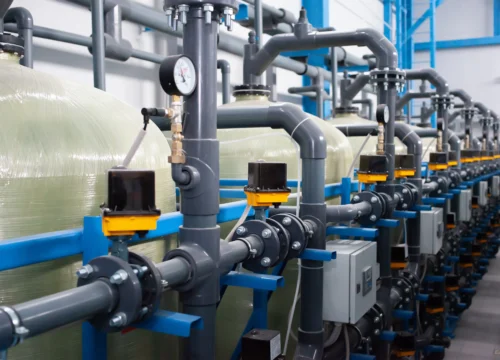
Traditional softening technology commonly uses a process called ion exchange. In simple terms, water passes through a tank containing resin beads. These beads attract calcium and magnesium ions and exchange them for sodium or, in some systems, potassium ions.
Once the resin becomes loaded with hardness minerals, it needs to be regenerated. During regeneration, a salt-based brine solution helps restore the resin so it can continue treating water.
It sounds more complicated than it feels in everyday use. A properly sized system can operate automatically, with regeneration occurring according to water usage or other programmed settings.
There are also salt-free conditioning technologies. These systems generally don’t remove calcium and magnesium in the same way traditional ion-exchange softeners do. Instead, they aim to alter how minerals behave so they’re less likely to form conventional scale.
That distinction matters when you’re comparing products. “Water treatment” isn’t one single technology, and different systems solve different problems.
Choosing the Right Water Softener System
Not every household needs the same treatment approach. Household size, water hardness, daily water consumption, plumbing configuration, and the source of the water should all be considered.
For example, a small household with moderately hard municipal water may have very different requirements from a large family using a private well.
A good starting point is water testing. Rather than choosing equipment based solely on a salesperson’s recommendation or an online sizing calculator, test the water and understand what you’re actually dealing with.
When comparing water softener systems, pay attention to capacity, regeneration method, water usage, maintenance requirements, installation needs, and operating costs. The cheapest system isn’t necessarily the most economical over several years.
Also consider what happens after installation. Does the system need regular salt replenishment? Are replacement components readily available? Is professional servicing accessible in your area?
Those practical details can matter just as much as the specifications printed on the box.
Hard Water and Your Everyday Routine
One of the most noticeable differences after treating hard water can be found in the bathroom.
Soap and shampoo tend to behave differently when calcium and magnesium are present. Mineral-rich water can interfere with soap’s ability to lather effectively, leaving behind a residue that may make skin feel dry or hair feel less manageable.
You may also notice that cleaning requires more effort. Glass shower doors can develop mineral spots, and faucets can lose their shine surprisingly quickly.
The kitchen tells another part of the story. Coffee makers, kettles, and other appliances that heat water are particularly vulnerable to scale accumulation.
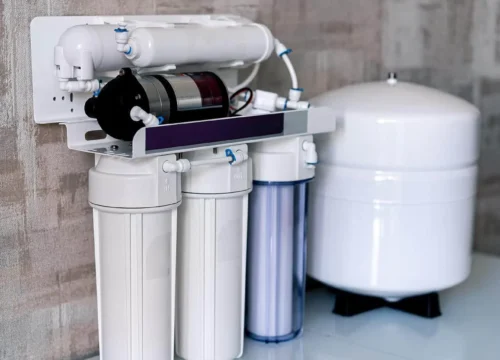
Of course, water softening doesn’t eliminate every water-quality concern. Hardness minerals aren’t the same thing as bacteria, lead, PFAS, chlorine, or other potential contaminants. If your goal is broader water purification, you may need filtration or another treatment method alongside—or instead of—a softener.
Don’t Ignore the Plumbing
Your plumbing system is one of those things you tend to appreciate most when it works quietly in the background.
Scale accumulation can interfere with water flow and contribute to problems around fixtures and appliances. In severe cases, deposits can become substantial enough to restrict passages inside plumbing components.
This doesn’t mean every hard-water home is heading toward a plumbing disaster. That’s not how it works. But reducing unnecessary mineral buildup can be part of a sensible long-term maintenance strategy.
If you’re buying a home, especially one supplied by a private well, it’s worth asking about water hardness and previous treatment equipment. A little information upfront can save plenty of head-scratching later.
Is Water Softening Worth It?
For many households, the answer comes down to what the water is doing to their home and how much inconvenience they’re willing to tolerate.
If you’re constantly cleaning scale from fixtures, replacing clogged aerators, dealing with appliance buildup, or using excessive amounts of cleaning products, treating the underlying hardness may be more sensible than repeatedly dealing with the symptoms.
Still, don’t rush into buying the first system you see. Test the water first. Understand the hardness level. Identify other water-quality concerns. Then compare treatment options based on actual household needs.
A professional water treatment specialist can also help determine whether softening, filtration, conditioning, or a combination of technologies makes the most sense.
A Better Approach to Household Water
Water quality is easy to take for granted because, most of the time, it simply works. Turn the tap, fill the glass, start the washing machine. Done.
But the chemistry of that water can have a surprisingly large effect on your home.
If mineral deposits keep appearing, appliances are struggling with scale, and cleaning feels harder than it should, it may be time to investigate the water itself rather than endlessly scrubbing the evidence.
The smartest solution isn’t necessarily the biggest or most expensive one. It’s the one that matches your water, your household, and your priorities. Start with a proper test, understand the results, and choose treatment technology based on facts rather than guesswork.
Sometimes, improving something as ordinary as the water coming from your tap can make the whole house feel a little easier to manage.