Better Water at Home Starts With Understanding What You Have
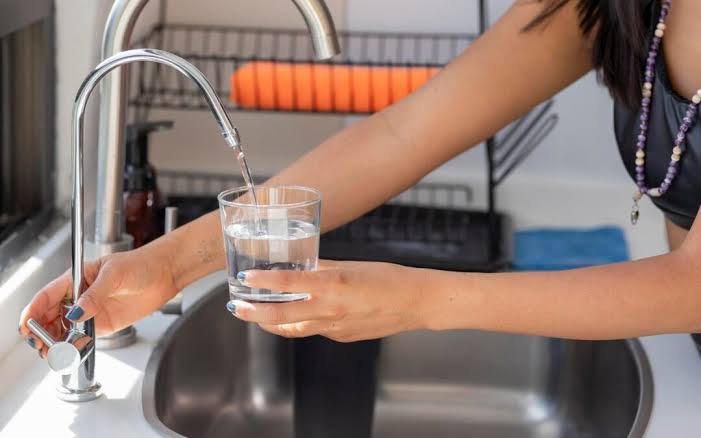
Water is easy to ignore when everything seems fine. You turn on the kitchen tap, fill a glass, take a shower, and get on with your day. But when the water leaves chalky marks on the sink, smells unusual, tastes strange, or seems to dry out your skin, it becomes much harder to overlook.
The thing is, water problems aren’t always obvious. Clear water can still contain minerals, sediment, chlorine, iron, or other substances that affect how it tastes, how it behaves around the house, and how well appliances perform.
That’s why improving household water isn’t simply about buying the most expensive filter you can find. It starts with understanding the water itself and then choosing a treatment approach that actually makes sense.
Why Household Water Quality Deserves Attention
Most people think about water quality only when there’s an obvious problem. A faucet gets covered in white scale. The showerhead loses pressure. A glass of water tastes different. Or perhaps the washing machine seems to need more detergent than it used to.
Hard water is one of the most common causes of these everyday frustrations. Calcium and magnesium can accumulate on fixtures and inside appliances, particularly where water is heated.
Other concerns may include sediment, chlorine taste and odor, iron staining, sulfur smells, or changes in pH. Private well owners may face additional challenges because groundwater chemistry can vary from one location to another.
None of this means every home has a serious water problem. It simply means testing is smarter than guessing.
Start With Testing Before Choosing Equipment
There’s a familiar temptation to search for a universal water filter that supposedly fixes everything. Unfortunately, water treatment doesn’t work quite that neatly.
A proper water test can identify characteristics that aren’t visible to the naked eye. Depending on the situation, testing may examine hardness, pH, iron, manganese, chlorine, bacteria, dissolved solids, and other factors.
Once you know what’s actually present, choosing water treatment services becomes much easier. A professional can recommend equipment based on the results rather than trying to sell a one-size-fits-all product.
Think of it as taking measurements before starting a home renovation. You wouldn’t order a new countertop without measuring the kitchen first. Water treatment deserves the same common-sense approach.
The Right Treatment Depends on the Problem
Different water issues require different technologies.
If hardness is the main concern, a water softener may be appropriate. Softening reduces calcium and magnesium that contribute to scale buildup.
For unpleasant chlorine taste and odor or certain types of sediment, filtration may be more useful. Carbon filters are commonly used for improving taste and reducing particular substances, depending on the filter’s design and certification.
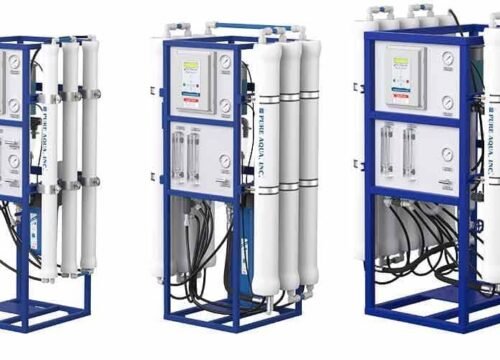
Some homes may benefit from reverse osmosis for drinking and cooking water. Others may require ultraviolet treatment, especially when microbiological concerns are identified in private well water.
The important thing is matching the technology to the actual water conditions. A filter isn’t automatically better because it has more stages, and a larger system isn’t necessarily more effective.
What Cleaner Water Can Mean for Everyday Life
Water treatment isn’t just about laboratory numbers. You can often notice the difference in ordinary household routines.
You may see fewer white deposits around faucets. Glassware may come out of the dishwasher looking cleaner. Soap may rinse more easily. Showerheads may stay free of mineral buildup for longer.
For drinking water, improved filtration can make a noticeable difference in taste and odor when those are caused by substances the system is designed to reduce.
For many homeowners, the goal is simply cleaner better water that feels more pleasant to use every day.
And honestly, that matters. Nobody wants to spend Saturday morning scrubbing mineral crust from a faucet when a properly selected treatment system could help prevent the buildup in the first place.
Protecting Appliances From Water-Related Wear
Household appliances that use water can be particularly vulnerable to mineral buildup.
Water heaters, dishwashers, washing machines, coffee makers, humidifiers, and ice makers can all develop deposits when exposed to hard water over time.
Scale can reduce efficiency and increase maintenance needs. In heavily affected systems, it may contribute to premature equipment wear.
Treating the water at the appropriate point can help reduce these problems. However, treatment isn’t a substitute for appliance maintenance. Even softened or filtered water should be accompanied by sensible cleaning and servicing.
It’s better to think of water treatment as one piece of the larger maintenance puzzle.
Whole-Home or Point-of-Use Treatment?
One important decision is whether you need treatment throughout the house or only at specific taps.
A point-of-use filter can be ideal if your main concern is drinking and cooking water. It treats water right where you use it, often at the kitchen sink.
Whole-house treatment, on the other hand, treats water as it enters the property. This can make more sense when the issue affects bathing, laundry, appliances, and multiple faucets.
Neither option is universally superior. The better choice depends on your water quality, household size, plumbing arrangement, and budget.
Professional Help Can Prevent Expensive Mistakes
Water treatment equipment is an investment, so getting professional advice can be worthwhile.
A knowledgeable provider should be willing to explain your test results, discuss available technologies, provide maintenance information, and tell you what the system can and cannot remove.
Be cautious of anyone promising that one device will solve every possible water problem. Good water treatment is more specific than that.
A reliable professional focuses on the actual issue rather than simply pushing the biggest system available.
Building a Smarter Water Treatment Plan
The best water treatment solutions aren’t necessarily the most complicated ones. They’re the ones that solve the right problem without creating unnecessary cost or maintenance.
Start with a water test. Look at your household’s needs. Decide whether you need treatment at one faucet or throughout the property. Consider future maintenance and replacement costs before making a purchase.
Most importantly, don’t wait for a major problem before paying attention to water quality.
A little knowledge can go a long way. Once you understand what’s in your water and how it affects your home, the choices become much clearer. And that can lead to something every homeowner wants: water that tastes better, behaves better, and causes fewer headaches in the long run.