What Nobody Warns You About Before You Rip Out That Wall
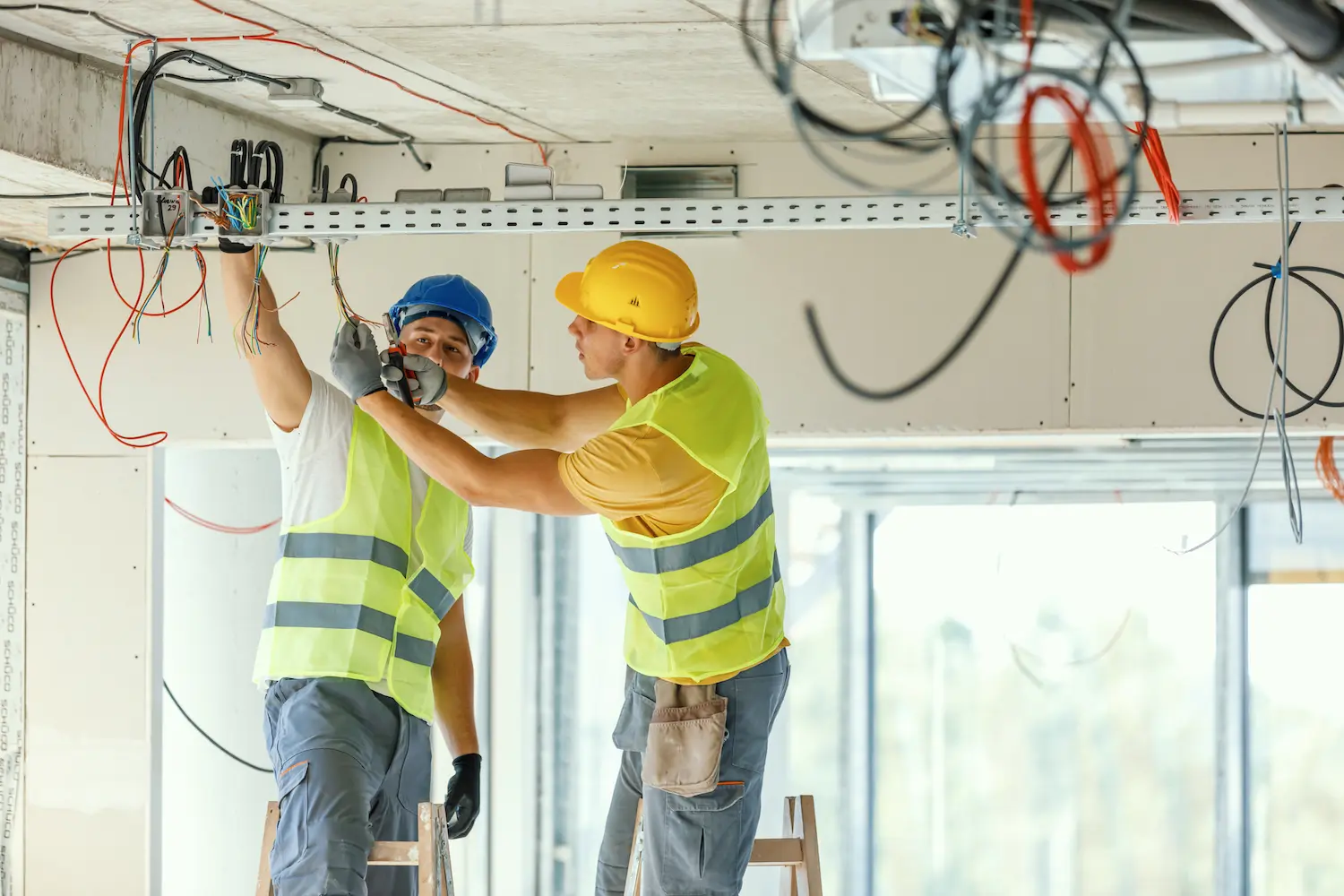
Renovations have a funny way of humbling people. You go in thinking it’s just about paint colors and picking out a nice backsplash, and then somewhere around week two, someone opens up a wall and goes quiet in that specific way contractors go quiet right before they tell you something’s going to cost more than you planned. Nine times out of ten, it’s the wiring.
I’ve talked to more than a few homeowners who assumed electrical work would be a footnote in their renovation, a quick afternoon job tucked somewhere between drywall and flooring. It almost never is. Wiring touches everything — new lighting, added outlets, moved appliances, sometimes an entire panel that just can’t handle what the new layout is asking of it. It’s not glamorous, but it’s the thing that makes everything else actually function once the dust settles.
Why Electrical Work Sneaks Up on Renovation Budgets
Here’s the honest truth: remodels & renovations almost always uncover something nobody was expecting. Maybe it’s knob-and-tube wiring from decades ago hiding behind a wall that looked totally fine. Maybe it’s a panel that’s already maxed out before you’ve even added the new kitchen island with its own dedicated circuit. Old houses especially love these little surprises, like they’re testing whether you’re really committed to this project or not.
The smart move, and I say this after hearing enough horror stories to know better, is bringing an electrician in early. Not after the walls are open and the schedule’s already tight, but during the planning stage, when moving a wire or upgrading a panel is a conversation instead of a crisis. It costs a bit more upfront to plan properly, sure, but it saves a ridiculous amount of stress (and money) compared to figuring it out mid-demolition.
Commercial Spaces Bring Their Own Chaos
Residential renovations are one kind of headache. Commercial ones are a whole different beast, honestly. There’s more at stake — code requirements that are stricter, systems that need to keep a business running smoothly, sometimes even during the renovation itself, which is its own logistical nightmare.
Good commercial electrical services account for all of that complexity: three-phase power for heavier equipment, backup systems for places that genuinely can’t afford downtime, wiring that supports point-of-sale systems, security, HVAC, and whatever specialized equipment the business actually runs on. A coffee shop renovation isn’t just about a nicer counter and better lighting; it’s making sure the espresso machines, the walk-in cooler, and the register all run without tripping a breaker during the Saturday morning rush. Seen that happen. It’s not pretty, and it’s definitely not good for word-of-mouth.
Technology Has Changed What “Wiring” Even Means
It’s kind of wild how much electrical work has shifted just in the last decade or so. It used to be pretty straightforward — lights, outlets, maybe a ceiling fan. Now people are asking for EV chargers in the garage, smart thermostats that talk to their phones, home automation systems that control everything from lighting to security with a single app, solar panel integration, the whole nine yards.
This is where modern electrical solutions really start to matter, because older wiring systems just weren’t built with any of this in mind. A house from the 90s might handle a couple of lamps and a TV just fine, but throw in an EV charger, a home office setup, and a bunch of smart devices, and suddenly that same system is working overtime, or worse, tripping breakers on a regular basis. Renovations are honestly the perfect time to future-proof a bit, even if it means spending more than originally budgeted. Nobody wants to redo this in five years because the house couldn’t keep up with how life actually works now.
Planning Ahead Saves Everyone a Headache
If there’s one thing worth taking away from all this, it’s that electrical work deserves a seat at the table early in any renovation conversation, not as an afterthought once the fun design decisions are already locked in. Whether it’s a kitchen remodel, a full home renovation, or a commercial buildout, the wiring underneath it all determines whether the finished space actually works the way it’s supposed to.
It’s not the most exciting part of a renovation, I get it. Nobody’s pinning electrical panels to their Pinterest board. But get it wrong, or ignore it until it becomes a problem, and it’ll cost way more than a few flickering lights. Get it right, and it just quietly does its job for years, which, honestly, is exactly what you want from something you’ll never think about again once it’s done.