Why Smart Businesses Are Investing in Better Water Systems for Long-Term Growth
Water Is More Important to Business Than Many Owners Realize
When people think about running a successful business, water rarely tops the list. Owners usually focus on customer service, staffing, marketing, inventory, or reducing operating costs. Yet water quietly supports countless business operations every single day.
Restaurants depend on it for food preparation and beverages. Hotels rely on it for guest comfort. Manufacturing facilities use it throughout production processes. Healthcare providers, offices, schools, car washes, and countless other businesses all need dependable water quality to operate efficiently.
Because water is always available, it’s easy to overlook its role until something goes wrong. A strange taste, excessive mineral buildup, equipment failures, or inconsistent water quality can quickly become expensive problems.
That’s one reason more organizations are beginning to see water treatment as an investment rather than simply another utility expense.
Every Industry Has Different Water Needs
There isn’t a universal water solution that works for every commercial property.
A café serving specialty coffee has completely different requirements than a manufacturing plant. A hotel may prioritize guest satisfaction, while a healthcare facility focuses on reliability and sanitation. Industrial businesses often require precise water quality to protect machinery and maintain production standards.
Understanding these differences is the foundation of choosing effective commercial water solutions instead of purchasing oversized or unnecessary equipment.
The best systems are designed around actual operational needs rather than broad assumptions.
Poor Water Quality Can Quietly Increase Operating Costs
Water-related problems rarely arrive all at once.
Instead, they slowly affect business performance over months or even years.
Mineral deposits reduce equipment efficiency. Boilers consume more energy. Dishwashers leave residue on glassware. Coffee machines require frequent maintenance. Ice machines produce lower-quality ice, while plumbing fixtures need constant cleaning.
Individually, these issues might seem manageable.
Collectively, they create unnecessary operating expenses that quietly reduce profitability.
Many business owners are surprised to discover how much equipment maintenance and replacement costs can be linked to untreated water.
Planning for Growth Requires Flexible Infrastructure
Businesses rarely stay exactly the same.
Customer demand changes. Facilities expand. New equipment gets installed. Production increases. What works for today’s operations may not be sufficient two or three years from now.
That’s why many organizations choose scalable water systems that can grow alongside their business instead of replacing equipment every time demand increases.
A flexible approach helps companies manage expansion more efficiently while avoiding repeated investments in completely new infrastructure.
Planning ahead often proves far more economical than constantly reacting to growth.
Protecting Equipment Means Protecting Your Investment
Commercial equipment is expensive.
Whether it’s commercial dishwashers, steam boilers, beverage dispensers, cooling towers, manufacturing equipment, or industrial cleaning systems, every piece of machinery performs better with properly treated water.
Hard water minerals gradually accumulate inside pipes, heating elements, valves, and internal components. Sediment can restrict water flow, while poor water quality may accelerate wear on sensitive equipment.
The result isn’t always immediate failure.
More often, it’s reduced efficiency, higher maintenance costs, increased downtime, and shorter equipment lifespan.
Protecting water quality often becomes one of the simplest ways to protect valuable business assets.
Consistency Matters More Than Perfection
Customers notice consistency.
They may not understand why one cup of coffee tastes better than another or why ice cubes appear clearer at one restaurant than another, but they notice the overall experience.
Employees appreciate consistency too.
Reliable water quality helps cleaning products perform properly, reduces maintenance interruptions, and creates smoother daily operations across departments.
In many industries, dependable performance matters just as much as exceptional quality.
Water treatment quietly supports both.
Advanced Filtration Supports Modern Operations
Technology has transformed commercial water treatment over the past decade.
Today’s systems are more efficient, easier to monitor, and far more adaptable than older equipment. Automated controls, smart monitoring, and energy-efficient components help businesses maintain water quality while reducing maintenance demands.
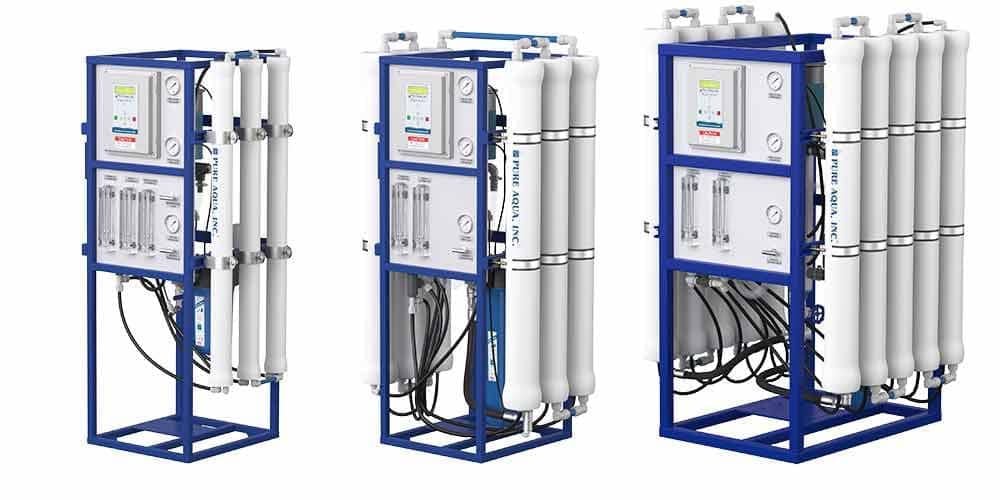
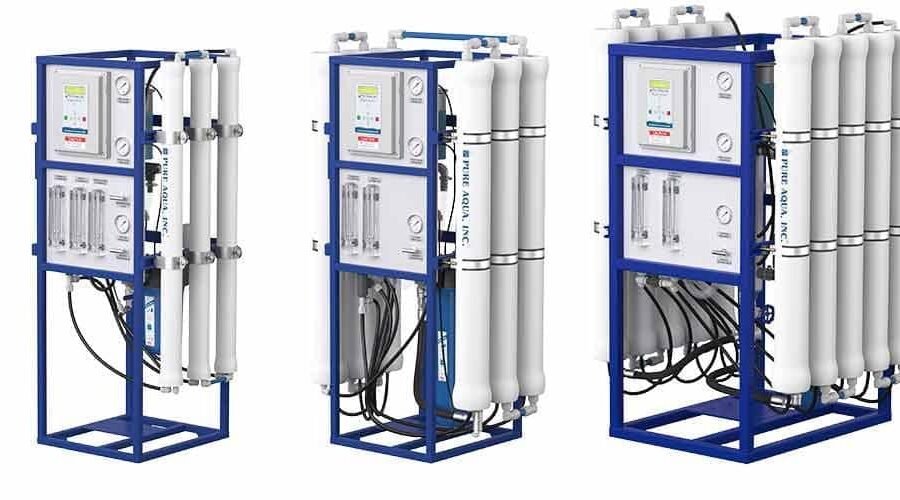
Many facilities requiring exceptionally purified water choose commercial reverse osmosis systems because they effectively remove a broad range of dissolved impurities that can interfere with production, beverages, laboratory work, food preparation, or specialized industrial processes.
Rather than relying on a single filtration method, modern commercial systems often combine multiple treatment technologies tailored to the facility’s specific requirements.
That customized approach produces more reliable results.
Water Quality Supports Customer Experience
Businesses invest heavily in creating positive customer impressions.
Comfortable seating.
Friendly employees.
Attractive interiors.
Quality products.
Water quality quietly contributes to all of these.
Guests notice clean glassware, better-tasting beverages, spotless restrooms, softer linens, and properly functioning equipment even if they never consciously think about the water behind those experiences.
Small improvements repeated hundreds or thousands of times each year create stronger customer satisfaction over time.
Sometimes the best business investments are the ones customers never directly see.
Choosing the Right System Starts With Understanding Your Needs
Installing the largest or most expensive system doesn’t automatically produce better results.
Every commercial property has unique water conditions, daily usage patterns, operational priorities, and budget considerations.
That’s why professional water analysis remains one of the most valuable first steps.
Rather than making assumptions, experienced water treatment specialists evaluate incoming water quality, business operations, equipment requirements, and future growth plans before recommending an appropriate solution.
This practical approach helps organizations avoid unnecessary costs while ensuring the system meets both current and future demands.
Thinking Beyond Immediate Savings
It’s natural to compare equipment prices when making purchasing decisions.
However, focusing only on upfront costs can overlook much larger long-term savings.
Reduced equipment repairs.
Lower maintenance expenses.
Improved operational efficiency.
Longer appliance lifespan.
Better energy performance.
Improved customer satisfaction.
These ongoing benefits often create significantly greater value than the initial purchase price alone.
Viewed over several years, a properly designed commercial water treatment system becomes an operational asset rather than simply another business expense.
Final Thoughts
Reliable water is one of the quiet foundations of successful business operations. Whether supporting manufacturing, hospitality, healthcare, food service, retail, or office environments, water quality influences equipment performance, operating costs, customer satisfaction, and overall efficiency.
Investing in the right commercial water treatment system isn’t simply about solving today’s problems. It’s about preparing for tomorrow’s opportunities while protecting valuable equipment and supporting consistent business performance.
As more organizations recognize the connection between water quality and long-term operational success, water treatment is becoming less of a maintenance decision and more of a strategic investment—one that continues delivering value long after installation is complete.