When Your Roof Needs Attention: Choosing the Right Roofing Professional
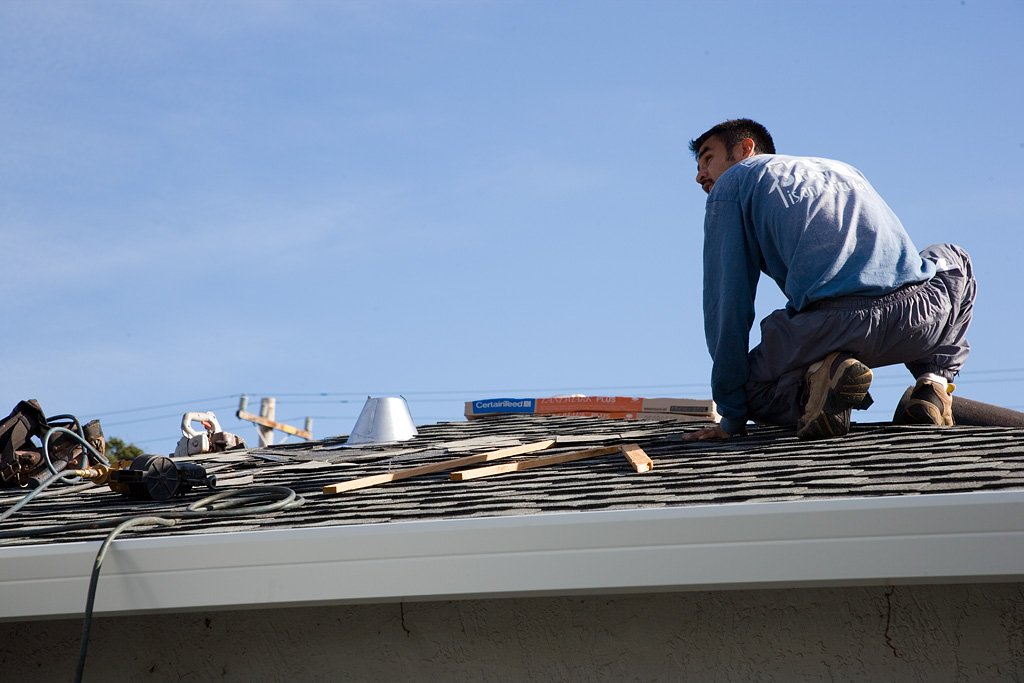
A roof is one of those parts of a home you don’t think much about until something goes wrong. A small brown stain on the ceiling, a loose shingle in the yard, or water dripping after a heavy storm can quickly turn into a much bigger headache. And honestly, roofing problems rarely improve by themselves.
The good news is that many roofing issues can be handled before they become expensive repairs. The trick is knowing what to look for, when to act, and how to find someone who will do the job properly. Whether you’re dealing with an aging roof or simply planning ahead, understanding the basics can save you money and plenty of stress.
Start by Paying Attention to the Warning Signs
Your roof doesn’t always announce a problem with a dramatic leak. Sometimes the clues are surprisingly subtle.
Look around your attic after a storm. Check for damp insulation, water marks, musty smells, or patches of daylight coming through the roof boards. Inside the house, peeling paint, stained ceilings, or bubbling drywall can also point to moisture getting where it shouldn’t.
From outside, keep an eye out for missing, cracked, curled, or damaged shingles. If you have asphalt shingles, finding lots of granules in the gutters is another sign that the roofing material may be wearing out.
You don’t need to climb onto the roof to investigate everything. In fact, you shouldn’t if you’re uncomfortable with heights or don’t have the right safety equipment. A quick visual check from the ground can tell you quite a bit.
Why Small Roofing Problems Deserve Attention
It’s tempting to ignore a minor issue, especially when the roof isn’t actively leaking. But water has a funny way of finding the smallest opening and making itself comfortable.
A loose shingle today can allow moisture underneath the roofing system. Over time, that moisture may damage the underlayment, decking, insulation, or even parts of the home’s structure. Mold and mildew can become concerns too, particularly when moisture stays trapped for long periods.
That’s why professional roofing services can be useful even when the problem doesn’t seem urgent. A qualified professional can inspect the condition of the roof, identify the source of the issue, and explain whether a simple repair or more extensive work makes sense.
And no, replacing an entire roof isn’t always the answer. A reputable professional should be willing to tell you when a repair is enough.
Repair or Replace? It’s Not Always Obvious
One of the most common questions homeowners ask is whether they should repair their roof or replace it completely.
The answer depends on several things: the roof’s age, the extent of the damage, the type of roofing material, and how frequently problems have occurred. If damage is limited to one small area, a repair may be perfectly reasonable.
On the other hand, if the roof is nearing the end of its expected lifespan and has widespread deterioration, repeatedly patching it may only postpone the inevitable. You could end up spending money on several repairs without solving the underlying problem.
Think of it like an old car. Fixing a tire makes sense when the rest of the vehicle is in good condition. But if everything is breaking down at once, constantly replacing individual parts isn’t necessarily the smartest long-term choice.
A professional inspection can help you make that call without relying on guesswork.
Getting an Estimate Without Feeling Pressured
Before agreeing to any major roofing work, get a detailed estimate. A trustworthy company should be able to explain what needs to be done, which materials will be used, expected labor costs, and whether old roofing materials need to be removed.
If a company offers a free estimate, don’t assume that means you’re obligated to hire them. In many cases, the purpose is simply to give homeowners a clearer picture of the project’s scope and potential cost.
It’s worth comparing more than just the final number, too. One estimate might be cheaper because it includes lower-grade materials or leaves out important work. Another may cost more because it includes better underlayment, proper flashing, disposal, warranties, or other necessary details.
Ask questions. Seriously. If something on the estimate doesn’t make sense, ask what it means. A good contractor shouldn’t make you feel silly for wanting to understand where your money is going.
What Makes a Roofing Contractor Worth Hiring?
Choosing a roofing contractor is about more than finding the lowest quote online. You’re trusting someone with a major part of your home, so reliability matters.
Start by checking whether the contractor is properly licensed and insured where required. Ask about experience with your particular roof type and request references or examples of previous work.
You should also pay attention to communication. Do they return calls? Show up when they say they will? Give clear answers? Those little things matter because roofing projects can involve several moving parts, especially when weather gets in the way.
Be cautious about contractors who demand a very large payment upfront, pressure you to sign immediately, or make vague promises about materials and warranties. A professional proposal should give you enough information to make a sensible decision.
And don’t be afraid to get multiple estimates. Comparing two or three reputable companies can reveal differences in approach, materials, timelines, and pricing.
Don’t Forget About Maintenance
Roof maintenance isn’t particularly exciting, but neither is paying for an emergency repair.
Cleaning gutters regularly helps prevent water from backing up near the roofline. Trimming branches away from the roof can reduce the risk of storm damage and falling debris. It’s also smart to check flashing around chimneys, vents, and skylights, since these areas can be common entry points for water.
After severe weather, give your roof a visual inspection from the ground. If you notice something unusual, have it checked rather than waiting for the next rainfall to expose the problem.
Regular inspections are especially helpful for older roofs. Catching a small defect early is usually much easier than dealing with widespread water damage later.
A Roof Is an Investment, Not Just an Expense
Roofing can be expensive, there’s no pretending otherwise. But the roof protects almost everything underneath it — your walls, insulation, electrical systems, furniture, and the people living inside the home.
That makes preventive care worthwhile.
The best approach isn’t necessarily to spend the most money. It’s to spend wisely. Understand the condition of your roof, address problems before they spread, choose durable materials when replacement is necessary, and work with professionals who are transparent about the job.
A solid roof is easy to take for granted when everything is dry and quiet inside the house. That’s kind of the point. With a little attention and the right help when you need it, you can keep it that way for many years.