Is a Whole-Home Water Softener Worth It for Your Home?
Water is one of those things most of us barely think about until it starts causing trouble. A glass of water looks perfectly normal, the shower runs, the washing machine does its job, and everything seems fine. Then one day you notice white spots on the faucet, your skin feels dry after a shower, or the dishes come out of the dishwasher looking strangely cloudy.
Often, hard water is the quiet culprit.
Hard water contains minerals, mainly calcium and magnesium, that can build up inside plumbing fixtures and appliances. While these minerals aren’t usually a reason to panic, they can make everyday household maintenance more frustrating and gradually affect how your home’s water system performs.
That’s where a whole-home softener can make a noticeable difference.
What Exactly Is Hard Water?
Hard water is simply water with a relatively high concentration of dissolved minerals. It usually picks up calcium and magnesium as it travels through underground rock and soil before reaching a private well or municipal water system.
You may not notice anything unusual when you first turn on the tap. The problems tend to show up over time.
Soap doesn’t lather as easily. Shampoo can leave hair feeling coated. Glassware may develop spots. Faucets collect chalky deposits, and the heating elements inside water heaters can develop mineral scale.
For some households, the issue is mostly cosmetic. For others, especially homes with significantly hard water, the ongoing mineral buildup can become an expensive nuisance.
And honestly, nobody enjoys scrubbing a shower door every Saturday just to get rid of those stubborn white marks.
How a Whole-Home Softener Works
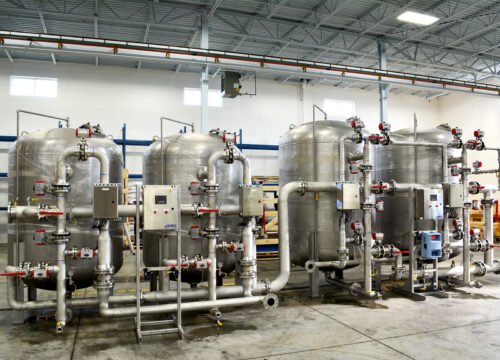
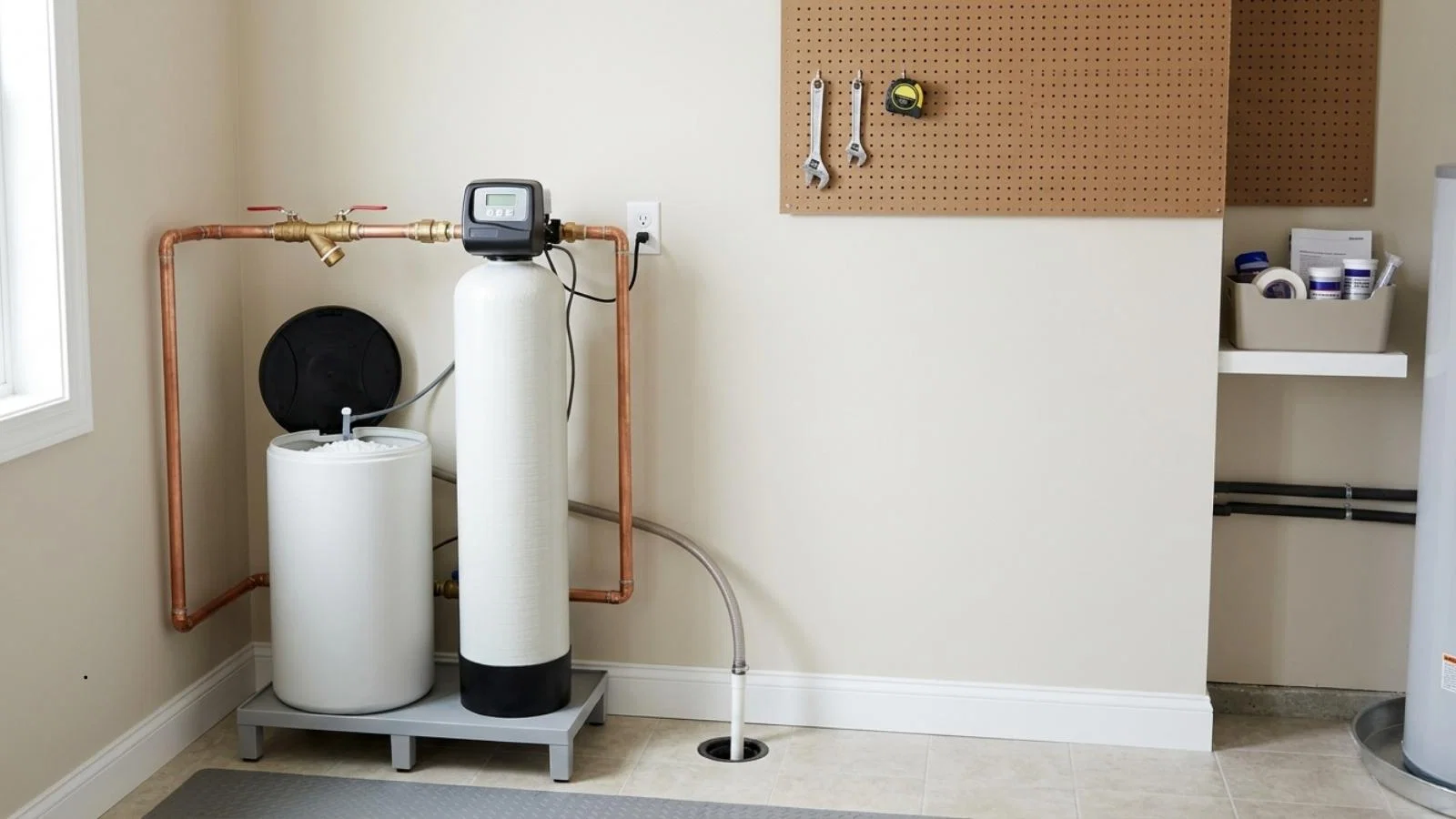
A water softener is designed to reduce hardness minerals before water travels throughout your home’s plumbing.
Traditional ion-exchange softeners use a resin medium that attracts calcium and magnesium ions. As hard water passes through the resin, these minerals are exchanged for sodium or, in some systems, potassium ions. The softened water then continues into the home’s plumbing.
Eventually, the resin becomes saturated and needs to be regenerated. During regeneration, the system uses a brine solution to restore the resin’s ability to capture hardness minerals.
The basic idea is fairly simple, but modern systems can be much more sophisticated than the old-fashioned units many people remember. Some monitor household water use and regenerate based on actual demand rather than running on a fixed schedule.
That can make a difference in both water and salt efficiency.
The Everyday Benefits You May Actually Notice
The biggest advantage of soft water isn’t necessarily something dramatic. It’s the accumulation of small improvements.
Soap and shampoo generally work more effectively without as much interference from hardness minerals. That can mean using less product during showers and cleaning.
You may also notice fewer mineral spots on sinks, faucets, showerheads and glass surfaces. Cleaning still won’t disappear from your life — sadly, that would be too good — but some of the stubborn scale can become much easier to manage.
Laundry can feel different, too. Hard water can interfere with detergents, while softened water may help clothes rinse more effectively and feel less stiff.
Over time, these small conveniences can add up.
Protecting Appliances and Plumbing
One of the more practical reasons homeowners consider water treatment is the equipment connected to their plumbing.
Water heaters, dishwashers, washing machines and other water-using appliances can be exposed to hard-water minerals every day. When scale accumulates on heating components and internal surfaces, equipment may have to work harder to perform its normal job.
A softener can reduce the amount of calcium and magnesium entering the plumbing system, helping limit scale formation.
It’s important not to treat a softener as a magic shield, though. Existing buildup doesn’t simply vanish overnight, and appliances still need normal cleaning and maintenance. But reducing the hardness entering the system can be a useful long-term strategy, particularly in areas where hard water is a persistent problem.
Should You Choose a Softener or a Refiner?
This is where things can get a little confusing.
A softener primarily addresses hardness. A refiner, depending on the specific system, may combine hardness reduction with additional filtration or treatment capabilities.
Choosing between a whole-home softener or refiner system depends on what’s actually in your water.
For example, a home might have hard water along with chlorine, sediment, unpleasant odors or other water-quality concerns. In that situation, simply removing calcium and magnesium may not address every problem.
That’s why testing the water first is a smart move. Instead of buying equipment based on a neighbor’s recommendation or a salesperson’s favorite model, you’ll have a clearer picture of what your home actually needs.
Water quality can vary dramatically even between nearby properties, especially when private wells are involved.
What About Drinking Water?
Softened water can be perfectly acceptable for many household uses, but drinking-water preferences vary. Some people don’t notice a difference, while others dislike the taste or prefer a separate filtration system for drinking and cooking.
If you’re concerned about specific contaminants, hardness isn’t the only thing worth testing. Depending on the water source and location, homeowners may also want to investigate issues such as chlorine, lead, sediment, iron, sulfur compounds or other contaminants.
This is an important distinction: healthy water isn’t simply water without hardness minerals. Good water treatment starts by understanding what is actually present and choosing technology that addresses those specific concerns.
For households with particular drinking-water concerns, a point-of-use filter or reverse osmosis system may complement a whole-home treatment setup.
Don’t Skip the Water Test
It’s tempting to shop for a water softener based on system size, price or a five-star review. But those things don’t tell you whether a system is appropriate for your home.
A proper water analysis can help determine hardness levels and identify other characteristics that may influence equipment selection.
For well-water users, testing can be especially useful because groundwater quality can vary significantly. Iron, manganese, sulfur odors and sediment may require different treatment methods.
Even if you already know your water is hard, testing gives you a baseline. That’s useful later when evaluating whether your treatment system is doing its job.
Installation and Maintenance Matter
A quality water treatment system still needs to be installed correctly.
The unit needs appropriate plumbing connections, adequate drainage for regeneration, suitable water pressure and enough space for routine servicing. The brine tank also needs to be maintained according to the manufacturer’s recommendations.
Maintenance isn’t usually complicated, but ignoring it can reduce performance. Salt levels, filters and system settings should be checked periodically, and the equipment should be serviced when necessary.
If you’re unsure about plumbing connections or how your home’s water system is configured, professional installation can save plenty of headaches.
Is It Worth the Investment?
For a home with genuinely hard water, a whole-home softener can be a worthwhile investment. The benefits aren’t just about having shinier faucets. Reducing hardness can make cleaning easier, improve the feel of water during bathing, help detergents perform better and reduce mineral scale throughout the plumbing system.
But the right answer isn’t the same for every household.
Start with your water. Test it, understand the results, and then look at treatment options that address the actual problem. Sometimes a softener is exactly what you need. Sometimes filtration, conditioning or a combination of technologies makes more sense.
The best water-treatment setup isn’t necessarily the biggest or most expensive one. It’s the one that quietly does its job every day, giving you cleaner-feeling water and fewer little plumbing annoyances to worry about.
And when something works that well in the background, you might not think about it much anymore. Which, for a home water system, is kind of the point.