Why Your Water Deserves a Second Look (Even If It Looks Fine)
I’ll be honest — for years I never thought twice about the water coming out of my kitchen tap. It looked clear, it didn’t smell weird, so what was there to worry about? Turns out, a lot. Water can carry all kinds of things you simply can’t see or smell — minerals, trace metals, chlorine byproducts, even tiny amounts of stuff left over from old pipes. None of that shows up just by looking at a glass.
That’s the thing about water quality. It’s sneaky. You don’t notice it until your skin starts feeling dry after every shower, or your coffee tastes a little off, or you’re scrubbing chalky white buildup off the faucet for the third time this month. Little clues, easy to brush aside, but they add up.
Where Most People Get It Wrong
A lot of folks assume that because their water is technically “safe” (meets whatever local municipal standard), it’s automatically good. Safe and good aren’t the same thing, though. Safe just means it won’t make you sick tomorrow. Good means it’s actually pleasant to drink, gentle on your appliances, and not slowly wrecking your plumbing behind the scenes.
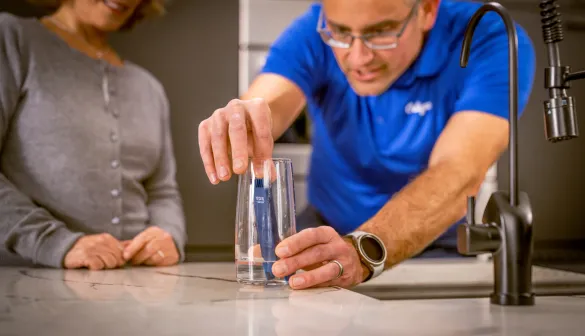
I learned this the hard way when my water heater started acting up way before it should have. A plumber took one look and said, “Yeah, that’s hard water damage.” I had no idea my water was even hard. Which brings me to the first real step anyone should take before buying filters, softeners, or anything else — get a free water test done. Seriously, don’t skip this part. Guessing what’s wrong with your water and then throwing money at a random fix is like taking medicine without knowing what’s actually ailing you. A proper test tells you exactly what you’re dealing with — hardness, pH, iron, chlorine, sediment, the whole picture — so you’re not wasting cash on the wrong solution.
It’s Not Just About Drinking Water
Here’s something that surprised me too: people tend to think water quality is only a kitchen-sink issue. But it touches basically every corner of your house. Your washing machine, your dishwasher, the pipes behind your walls, even your skin and hair in the shower — all of it is affected by whatever’s flowing through your lines. That’s why so many homeowners eventually move toward a whole home approach instead of just sticking a pitcher filter in the fridge. Treating the water at the point where it enters your house means every faucet, every appliance, every shower gets the benefit, not just the one glass you happen to pour before bed.
I switched to this kind of setup about a year ago, and honestly, the difference wasn’t subtle. Glasses came out of the dishwasher actually clear instead of spotty. My showerhead stopped clogging every few months. Even the laundry smelled cleaner, if that makes sense. Small things, but they stack up into a noticeably better day-to-day experience.
Choosing What Actually Fits Your Situation
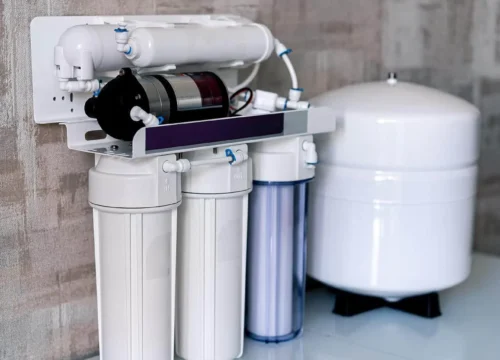
This is where people tend to get overwhelmed, and I get it — there’s a dizzying amount of equipment out there. Softeners, reverse osmosis systems, UV purifiers, carbon filters… it’s a lot. The trick is not chasing the fanciest system on the shelf, but matching the treatment to your actual water problem. If your test shows high hardness, a softener makes sense. If there’s bacteria or contamination risk, UV or reverse osmosis might be the better call. Chlorine taste and smell? A simple carbon filter can knock that out.
This is really where good water treatment solutions earn their keep — not by being expensive or complicated, but by being the right fit for your specific water. I’ve seen people spend a small fortune on a fancy system that didn’t even address the problem they had. A little research (and that test I mentioned earlier) saves you from that mistake entirely.
A Few Honest Thoughts Before You Wrap This Up
If there’s one thing I’d tell a friend who’s just starting to think about their home’s water, it’s this: don’t overthink it, but don’t ignore it either. Start with testing. Understand what you’re actually working with. Then think about your whole house, not just the kitchen tap, because water touches more of your daily life than you probably realize.
It’s easy to put this stuff off — I did, for years. But once you actually deal with it, you kind of wonder why you waited so long. Cleaner dishes, softer skin, appliances that last longer, water that just tastes better… none of it is dramatic on its own, but together it changes how your home feels day to day.
So maybe this weekend, instead of scrolling past another water filter ad, actually look into what’s in your own water. You might be surprised by what you find — and even more surprised by how much better things feel once it’s sorted out.