When Hard Water Becomes a Household Problem: Choosing the Right Solution
Water is one of those things most of us barely think about until something goes wrong. You turn on the shower and notice white spots on the glass. The sink feels strangely rough after cleaning. Maybe your soap doesn’t lather properly, or your freshly washed clothes seem a little stiff. These small annoyances can be signs of something bigger: hard water.
Hard water is extremely common, and while it isn’t usually considered a serious health concern, it can be surprisingly tough on a home. The minerals dissolved in the water can leave scale behind, affect appliances, and make everyday cleaning more frustrating than it needs to be. The good news is that you don’t have to simply live with it.
What Makes Water “Hard”?
Hard water contains higher levels of naturally occurring minerals, particularly calcium and magnesium. As groundwater moves through rock and soil, it picks up these minerals before entering a private well or municipal water supply.
You might not notice them when you fill a glass. Water can look perfectly clear and still be hard. The clues usually show up over time.
A few common signs include:
- White or chalky deposits around faucets
- Spots on dishes and shower doors
- Soap that doesn’t lather easily
- Dry-feeling skin or hair after bathing
- Mineral buildup around plumbing fixtures
- Reduced efficiency in water-using appliances
- Clothes that feel stiff after washing
None of these symptoms alone proves that your water is hard, of course. A water test is a much better way to understand what’s actually in your supply.
Why Hard Water Can Be Hard on Your Home
The biggest issue isn’t usually the water itself. It’s what happens when those dissolved minerals come out of the water and stick to surfaces.
Think about the inside of a kettle that develops a crusty layer after months of use. Something similar can happen inside pipes, water heaters, showerheads, dishwashers, and washing machines. Over time, mineral deposits can restrict water flow and make equipment work harder.
Water heaters can be especially vulnerable. When scale collects around heating elements or inside the tank, the system may need more energy to heat the same amount of water. That can affect efficiency and, eventually, operating costs.
It’s also worth remembering that scale doesn’t always appear where you can see it. A shiny faucet can look fine while buildup is gradually developing inside the plumbing.
How Water Softeners Work
This is where water softeners can make a noticeable difference. Traditional softening technology uses a process called ion exchange. In simple terms, the system exchanges hardness minerals such as calcium and magnesium for sodium or, in some systems, potassium ions.
The softened water then moves through the home’s plumbing, reducing the amount of hardness available to form scale.
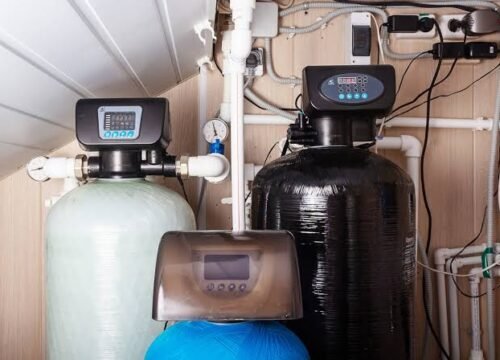
A typical system has several key components, including a mineral tank, control valve, and brine tank. The softener periodically regenerates, which cleans the resin and prepares it for another cycle.
The process sounds technical, but from a homeowner’s perspective, it can be pretty straightforward: less mineral buildup, better soap performance, and fewer of those stubborn spots that seem to reappear right after you’ve cleaned them.
Are Water Softener Systems Worth It?
For households dealing with significant mineral buildup, water softener systems can be a practical long-term investment. But it’s important not to choose a system simply because a neighbor has one or because a salesperson says you need the biggest model available.
Water quality varies from one location to another, sometimes dramatically. Household size, daily water consumption, hardness levels, iron content, and other factors can influence which solution makes sense.
A proper water analysis should come before selecting equipment. It can help identify the actual hardness level and reveal other concerns that may require separate treatment.
For example, a softener is designed primarily to address hardness. It isn’t automatically a complete filtration system for every contaminant. If your water also contains sediment, sulfur odors, chlorine, iron, or other unwanted substances, additional treatment may be appropriate.
What About Drinking Water?
One common misconception is that softening automatically makes water “pure.” It doesn’t.
Softening and filtration solve different problems. A softener primarily deals with hardness minerals, while filtration systems are designed to reduce specific particles, chemicals, or contaminants depending on the technology used.
This distinction matters because homeowners sometimes expect one piece of equipment to handle everything. Water treatment works better when the solution is matched to the actual water quality.
For drinking water, some households choose a point-of-use filtration system or reverse osmosis system alongside whole-home treatment. That setup can provide softened water throughout the house while giving the kitchen an additional level of treatment for drinking and cooking.
How Hard Water Affects Everyday Cleaning
There’s a reason cleaning a bathroom with hard water can feel like a never-ending chore.
When calcium and magnesium react with soap, they can create a residue that clings to surfaces. Instead of rinsing away cleanly, it may leave behind a dull film on shower walls, bathtubs, sinks, and fixtures.
The same issue can show up in laundry. Clothes may not feel as soft, and detergent can struggle to work as effectively in mineral-heavy water.
With softened water, many households find that soaps and detergents perform differently. You may need less product for some cleaning tasks, although the exact amount depends on the products you use and the quality of your water.
It’s a small change, but small changes add up. Fewer deposits also mean less scrubbing, fewer replacement showerheads, and less frustration when you’re trying to keep the house looking clean.
Choosing a Solution Without Overcomplicating It
Buying water treatment equipment shouldn’t feel like solving a chemistry exam.
Start with the basics. Have your water tested. Understand the hardness level and identify any other issues. Then consider your household’s water usage and the equipment’s capacity.
You’ll also want to think about maintenance. A treatment system is not completely “set it and forget it.” Depending on the technology, it may require salt, filter replacements, cleaning, inspections, or periodic servicing.
Installation matters, too. Correct sizing and setup can influence how well a system performs. A professional can evaluate plumbing connections, drainage requirements, available space, and regeneration settings rather than simply installing a unit and walking away.
And don’t overlook the warranty and service support. A good system is useful, but dependable support can matter just as much a few years down the road.
A Better Way to Think About Water Quality
There’s no single water treatment solution that’s right for every home. The best approach starts with understanding the water you actually have.
If you’re seeing scale, dealing with poor soap performance, or noticing mineral deposits throughout the house, testing is a sensible first step. From there, you can decide whether softening, filtration, or a combination of treatments fits your needs.
Hard water may seem like a minor household nuisance at first. But over months and years, those minerals can affect fixtures, appliances, cleaning routines, and plumbing performance. Addressing the problem early can make everyday life easier and help protect the systems you rely on every day.
Clean, well-treated water isn’t just about having a better shower. It’s about making your home work a little better, too.