When Your Home’s Water or Sewer Line Needs Attention: What Homeowners Should Know
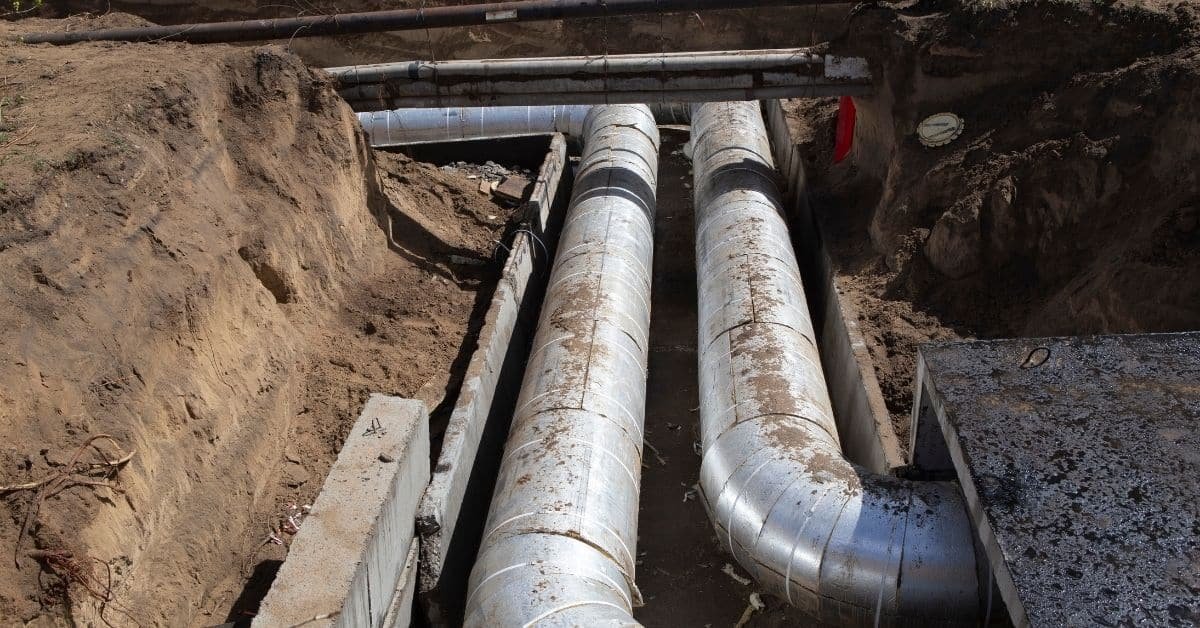
Water and sewer lines are easy to ignore when everything is working normally. They run underground, out of sight, and usually don’t ask for much attention. But when a pipe cracks, shifts, clogs, or starts leaking, the problem can quickly become impossible to overlook.
A sudden drop in water pressure, an unusually wet patch in the yard, slow drains, or unpleasant odors may all point toward an underground plumbing issue. The tricky part is figuring out what’s actually happening before a small repair turns into a major excavation project. Knowing the warning signs can help homeowners act sooner and, in many cases, save money.
Understanding the Lines Beneath Your Property
Your home depends on several underground connections to keep water moving in and wastewater moving away. The water supply line brings clean water from the municipal connection or private system into the house, while sewer lines carry wastewater away.
Because these pipes are underground, damage isn’t always obvious. Tree roots can grow into aging sewer pipes. Ground movement can cause joints to separate. Freezing temperatures, corrosion, poor installation, or simply old materials can also contribute to failure.
That’s why a plumbing problem that seems unrelated to your yard may actually have its source several feet underground.
Signs You May Need Water Line Repair
One of the first signs of a damaged supply pipe is an unexplained change in water pressure. If faucets suddenly have weak flow even though no other fixtures are running, something may be wrong between the street and your home.
Another warning sign is water appearing where it shouldn’t. A soggy section of lawn, unexplained puddles, or unusually green grass in one particular area can indicate an underground leak. Sometimes the leak is subtle, and homeowners only notice it after receiving a surprisingly high water bill.
In these situations, water line repair may be necessary to stop water loss and prevent further damage. A professional plumber can usually inspect the system, locate the problem, and determine whether a small section can be repaired or whether replacement makes more sense.
Sewer Problems Often Start Quietly
Sewer line trouble tends to announce itself differently. Slow drains throughout the house are a common clue. If your kitchen sink, bathroom drains, and toilets all seem to be struggling around the same time, the issue may be deeper than a simple clogged drain.
Gurgling toilets, recurring backups, sewage smells, or water backing up into a shower are other signs worth taking seriously. And honestly, if several fixtures are affected at once, reaching for another bottle of drain cleaner probably isn’t the answer.
A damaged or blocked sewer pipe can allow wastewater to enter areas where it shouldn’t, creating unpleasant conditions and potentially damaging landscaping, foundations, or interior spaces. Depending on the cause, sewer line repair might involve clearing an obstruction, repairing a damaged section, or replacing a larger portion of the pipe.
Why Underground Repairs Can Be Complicated
Repairing an underground pipe isn’t quite like fixing a leaking faucet. Before digging, a plumber needs to know where the line is located and what condition it’s in. Modern diagnostic equipment, including specialized cameras and leak-detection tools, can make this process much more precise.
In some cases, traditional excavation is still the best option. However, certain properties may qualify for trenchless techniques, which can reduce the amount of landscaping, pavement, or hardscaping that needs to be disturbed.
The right approach depends on the pipe’s material, depth, location, condition, and the type of damage involved. There isn’t one repair method that works perfectly for every home.
Don’t Ignore the Stop Box
The stop box is another small but important part of the water service connection. It provides access to the shutoff valve between the public water system and the property’s private plumbing.
If the box is damaged, buried, difficult to access, or the valve isn’t operating correctly, shutting off the water during an emergency can become frustrating. A broken or inaccessible valve can also complicate future plumbing work.
That’s where stop box repair can become important. Restoring proper access ensures that the water supply can be turned off when necessary. It may seem like a minor maintenance issue, but finding out your shutoff doesn’t work during a major leak is definitely not the time to discover it.
Repair or Replace? That’s the Big Question
Homeowners often wonder whether an underground pipe should be repaired or completely replaced. The answer depends on several factors.
If the damage is isolated and the surrounding pipe is still in good condition, repairing one section may be practical. But if the line is old, severely corroded, repeatedly failing, or damaged in multiple locations, replacement may provide better long-term value.
A good plumbing professional should explain the condition of the pipe and the available options rather than automatically recommending the most expensive solution. Getting a clear diagnosis first can make a big difference.
Why Acting Early Can Save You Trouble
Underground plumbing problems rarely improve on their own. A small leak can gradually waste thousands of gallons of water. A damaged sewer line can become increasingly blocked as roots, dirt, or debris enter the pipe.
Early attention also gives homeowners more choices. You may be able to schedule a repair at a convenient time instead of dealing with an emergency on a weekend or during a holiday.
Regular inspections are especially worthwhile for older homes or properties with mature trees near underground plumbing lines.
A Practical Approach for Homeowners
If you notice unusual water pressure, wet spots, recurring drain problems, or sewer odors, start by paying attention to when and where the symptoms appear. Avoid digging around underground utility lines yourself, since you could make the situation worse or accidentally damage another service.
Instead, have the system professionally inspected. Ask what caused the problem, where the damaged section is located, what repair options are available, and whether the remaining pipe appears to be in good condition.
A little information upfront can prevent a lot of unnecessary guesswork.
Final Thoughts
Your home’s underground plumbing system doesn’t need constant attention, but it does deserve attention when something seems unusual. Water leaks, sewer problems, and faulty shutoff access can become expensive headaches when they’re ignored for too long.
The good news is that today’s plumbing professionals have better diagnostic tools and repair methods than ever before. Whether the problem involves a supply line, sewer connection, or stop box, identifying the issue early is usually the smartest move.
After all, the best plumbing repair is often the one you handle before it becomes an emergency.