How Better Water Treatment Can Improve Everyday Life
Clean, dependable water is one of those things most people don’t think about until something goes wrong. Maybe the tap water has an odd smell. Perhaps mineral buildup keeps appearing around faucets, or drinking water simply doesn’t taste as fresh as it should. These little frustrations can become part of daily life, even though they don’t have to.
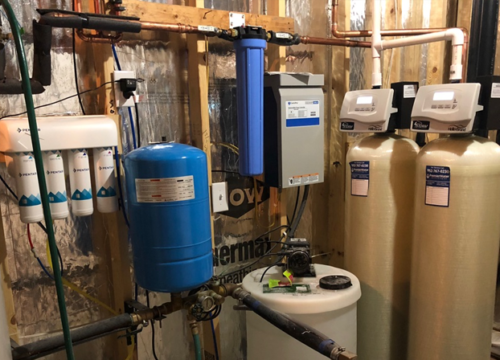
The right water treatment approach can make a noticeable difference. From improving taste and reducing unwanted substances to protecting plumbing and appliances, a well-designed system can support a healthier, more comfortable home. And with today’s technology, homeowners have more choices than ever when it comes to treating the water they use every day.
Why Water Quality Matters at Home
Water plays a role in almost everything we do. We drink it, cook with it, bathe in it, wash clothes with it, and use it to clean our homes. So when the quality is less than ideal, the effects can show up in surprising ways.
Hard water, for example, contains higher levels of minerals such as calcium and magnesium. These minerals aren’t necessarily dangerous, but they can leave scale on showerheads, sinks, and appliances. Over time, that buildup may affect water heaters and other equipment.
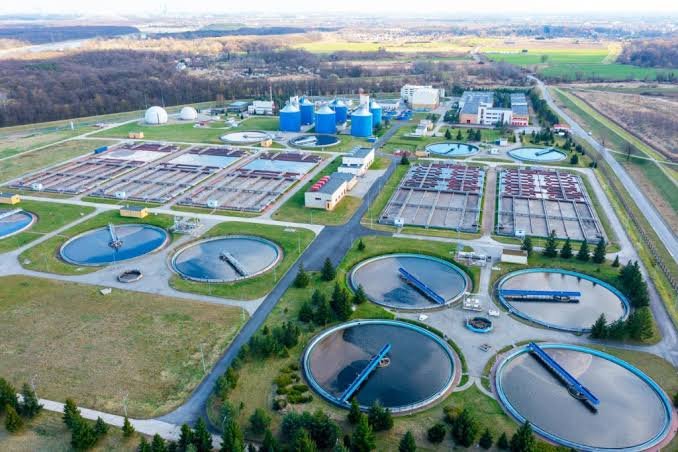
Other water concerns can include chlorine taste, sediment, unpleasant odors, or naturally occurring contaminants. Municipal water supplies are treated and regulated, but the quality reaching a particular home can still be influenced by local conditions and plumbing.
That’s why understanding your household water is a sensible first step.
Start With Testing Before Choosing a System
It’s tempting to buy a water filter based on a recommendation from a friend or a quick online search. But water isn’t one-size-fits-all. A solution that works beautifully for one household may not address the main concern in another.
Water testing can reveal what’s actually present. Depending on the source and location, testing may examine factors such as hardness, pH, chlorine, iron, sediment, and other substances of concern.
Once you know the problem, choosing the right treatment becomes much easier.
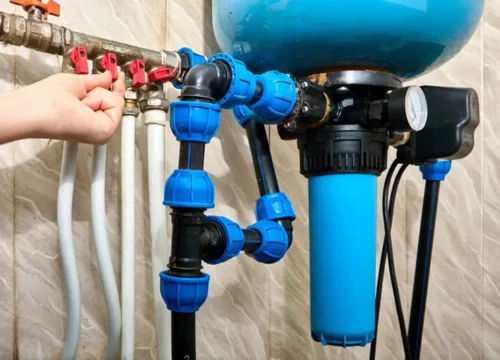
A professional water assessment can also help determine whether you need treatment throughout the home or only at a specific tap. For instance, someone mainly concerned about drinking water may prefer a point-of-use system, while a household dealing with hard water throughout the property may benefit from a whole-home approach.
The Value of Modern Water Treatment
Technology has changed quite a bit over the years. Today, homeowners can consider filtration systems, water softeners, reverse osmosis units, UV treatment, and combination systems designed for particular water conditions.
The goal isn’t necessarily to install the biggest or most complicated system available. In fact, that can be a waste of money if the technology doesn’t match the actual issue.
Instead, look for premium water treatment solutions that are selected around your water source, household needs, and long-term goals. A properly matched system can be more efficient and easier to maintain than a collection of unrelated filters.
Good treatment should fit into everyday life rather than becoming another chore on your to-do list.
Hard Water Can Be More Than a Cleaning Nuisance
If you’ve ever cleaned a shower and watched white spots return a few days later, you’ve probably seen the effects of mineral-rich water.
Hard water can contribute to scale inside pipes and water-using appliances. It can also make soap less effective, which may leave skin feeling dry or hair feeling less manageable after washing. Laundry can sometimes feel rough, too.
A water softener works differently from a basic drinking-water filter. Its main purpose is to reduce hardness minerals, helping prevent scale and improving the performance of soaps and detergents.
For households with significant hardness, this can be a practical improvement rather than simply a cosmetic one.
Better Drinking Water Can Change Small Daily Habits
There’s something surprisingly satisfying about turning on the kitchen tap and enjoying a glass of water without hesitation.
When water tastes or smells unpleasant, people may naturally reach for bottled water instead. That can become expensive over time, not to mention the steady pile of plastic bottles.
A reliable filtration system can make tap water more appealing for drinking and cooking. Better-tasting water may encourage family members to drink more throughout the day, especially when cold, fresh water is readily available.
The best part is that improvement doesn’t always require dramatic lifestyle changes. Sometimes it’s simply about making the healthier, more convenient choice the easiest one.
Look Beyond the Initial Price
Cost is obviously important when choosing a treatment system, but the cheapest option isn’t always the most economical.
Consider installation, filter replacement, maintenance, water usage, electricity requirements where applicable, and the expected lifespan of the equipment. A low-cost filter that needs frequent replacement may eventually cost more than a higher-quality system designed for longer service.
It’s also worth looking at warranties and service support. Water treatment equipment is an investment in your home, so having access to knowledgeable technicians can provide peace of mind.
Some providers may also offer exclusive savings through seasonal promotions, package options, or installation offers. It’s worth asking about available deals rather than assuming the listed price is the final word.
Maintenance Keeps the System Working Properly
Even a high-quality treatment system needs attention from time to time. Filters eventually become saturated, softeners may require servicing, and certain components need periodic inspection.
Ignoring maintenance can reduce performance and, in some cases, cause the system to work harder than necessary.
A simple maintenance schedule helps. Keep track of filter changes, follow the manufacturer’s recommendations, and have the system inspected when performance seems different. Changes in taste, pressure, odor, or flow can sometimes be an early sign that something needs attention.
Think of it much like servicing a car. You don’t wait for the engine to fail before changing the oil. Water treatment deserves the same practical mindset.
Choosing a Solution That Fits Your Home
There’s no universal answer to water treatment. The right choice depends on your water source, household size, existing plumbing, budget, and specific concerns.
A good provider should take time to understand those details instead of immediately pushing a particular product. Ask questions. Find out what the system removes or reduces, how often components need replacement, and what ongoing service involves.
Most importantly, have the water tested when appropriate. Decisions based on actual water conditions are usually better than decisions based on guesswork.
A Small Home Improvement With Lasting Benefits
Water treatment may not have the visual appeal of a new kitchen or freshly painted walls, but its benefits are felt every day. From cleaner-feeling showers and fewer mineral deposits to better-tasting drinking water, the improvements can quietly become part of your routine.
Investing in treatment isn’t about making water complicated. It’s about making sure the water already coming into your home works better for the people and appliances that rely on it.
With thoughtful testing, suitable equipment, and regular maintenance, achieving great water quality can become less of a goal and more of an everyday reality. And honestly, that’s where a good home improvement pays off most — when you barely notice it because everything simply works the way it should.