Why Reverse Osmosis Can Make a Noticeable Difference in Your Drinking Water
There’s a simple reason people care so much about the water coming out of their kitchen tap: they use it constantly.
It becomes coffee before sunrise, pasta water at dinner, a quick glass after a workout, and the bottle you grab before heading out the door. Water quietly moves through the entire rhythm of daily life. Most of the time, we barely think about it.
Until something tastes odd.
Maybe the water has a slightly metallic flavor. Perhaps it smells unusual, leaves residue in a kettle, or simply doesn’t taste as fresh as you’d like. That’s usually when homeowners start exploring filtration options, and one name tends to come up again and again: reverse osmosis.
The technology may sound complicated at first, but the basic idea is fairly straightforward. A properly designed filtration system uses a membrane and other filtration stages to help reduce certain substances in the water. The result, depending on the source water and system, can be a noticeably different drinking experience.
What Is Reverse Osmosis, Really?
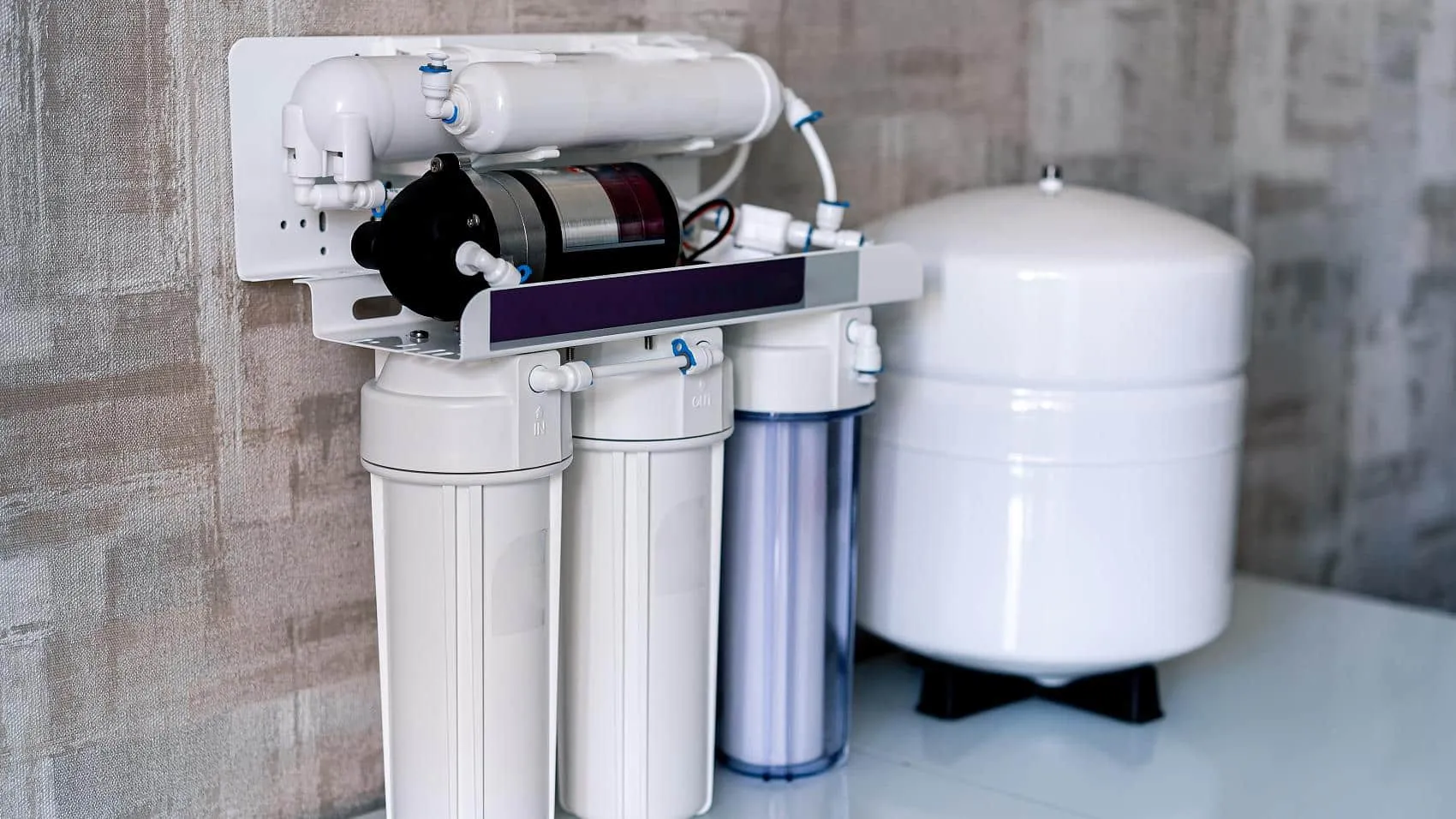
At its core, Reverse Osmosis (RO) Filtration is a process that pushes water through a specialized semipermeable membrane. The membrane is designed to allow water molecules to pass while helping reduce many unwanted substances.
Most residential RO systems also use additional filtration stages. These may include sediment filters to capture particles and carbon filters that can help reduce certain compounds affecting taste and odor.
The exact setup varies from one system to another. Some units include multiple stages, while others add features such as remineralization or additional polishing filters.
That’s why it’s important not to assume every reverse osmosis system performs exactly the same way. The quality of the equipment, the condition of the source water, maintenance, and filter replacement schedules can all affect performance.
Still, the basic appeal is easy to understand: homeowners want more confidence in what they are drinking.
Why Taste Often Gets People Interested
Water can be safe to use and still not be especially enjoyable to drink. Taste is a personal thing, after all. Some people notice even small changes in mineral content or chlorine-related flavors, while others barely pay attention.
But when water has a taste you don’t like, the solution is often predictable. You buy bottled water.
Then you buy more of it.
Before long, there are empty bottles in recycling bins, cases taking up space in the garage, and another item added to the grocery list. It works, sure, but it can feel like an endless routine.
A properly maintained RO system can help provide better-tasting drinking water right at home, depending on the water conditions and the substances being reduced. That convenience alone is a major reason these systems have become popular.
There’s something nice about walking into your kitchen and filling a reusable glass or bottle without wondering whether you have enough bottled water left.
The Role of Dissolved Materials in Water
Not everything in water can be seen with the naked eye.
You might look at a perfectly transparent glass and assume the water contains nothing but H2O. In reality, water can contain minerals and other substances that remain invisible because they are present as dissolved solids.
Some dissolved materials occur naturally. Others may come from the water source, pipes, treatment processes, or environmental factors.
The presence of dissolved solids doesn’t automatically mean water is unsafe. In fact, many minerals are naturally present in drinking water. What matters is the type and concentration of substances involved.
Reverse osmosis systems are often selected because they can reduce a broad range of dissolved substances. However, the specific reduction performance depends on the system and the particular substances in the source water.
That’s an important distinction. Good water treatment is not about assuming every mineral is bad. It’s about understanding what is present and choosing a solution that fits the actual situation.
Why Testing Before Installation Makes Sense
Buying a filtration system without knowing anything about your water is a bit like buying prescription glasses without checking your eyesight.
You might get lucky, but probably not.
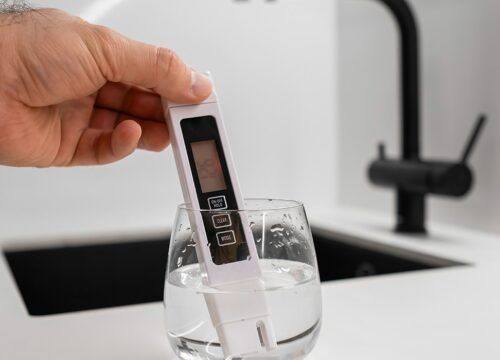
Water testing can provide useful information about hardness, pH, total dissolved substances, and other characteristics depending on the type of test being performed. For homes using private wells, testing can be especially important because water conditions may differ significantly from one property to another.
Municipal water users can also benefit from understanding their particular concerns.
Maybe the main issue is taste. Maybe it’s sediment. Perhaps the household is concerned about a specific substance. Once the problem is clearer, choosing the right filtration technology becomes much easier.
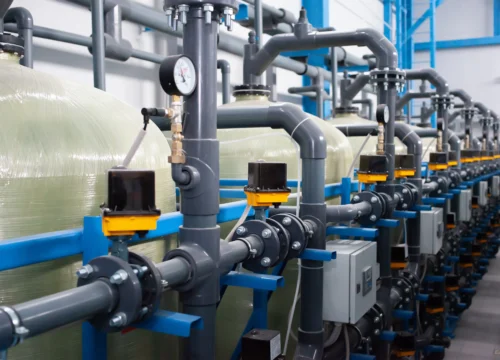
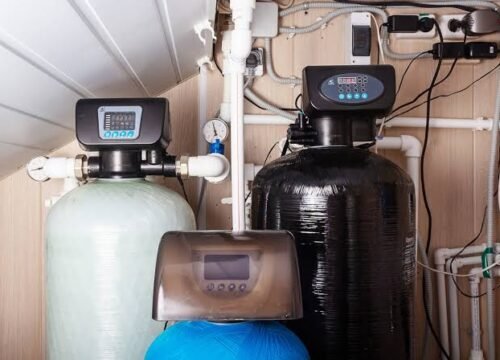
And sometimes reverse osmosis isn’t even the only answer. A homeowner might benefit from a whole-home filter, water softener, carbon filtration, UV treatment, or a combination of systems.
The best solution is the one that matches the water, not the one with the loudest advertisement.
Clear Water Isn’t Always the Whole Story
One of the biggest misconceptions about drinking water is that appearance tells you everything.
If water looks clean, clear, it must be perfect, right?
Not necessarily.
Cloudiness and discoloration can certainly be signs that something deserves attention, but many substances cannot be detected just by looking at a glass. Water can appear crystal clear while containing dissolved materials or other contaminants that require testing to identify.
On the other hand, water that looks slightly cloudy may have a relatively simple explanation, such as tiny air bubbles or harmless sediment.
The point is not to panic every time something looks unusual. It’s to avoid making assumptions based solely on appearance.
When there’s a concern, reliable testing and professional advice can provide a much clearer picture than guesswork.
RO Systems Need a Little Attention Too
A reverse osmosis system isn’t a magic box that can be installed and forgotten for the next decade.
Like other water treatment equipment, it requires maintenance.
Pre-filters and carbon filters need to be changed on schedule. The membrane has a longer lifespan but may eventually need replacement as well. The exact maintenance requirements depend on the system, the water quality, and how much water the household uses.
Skipping maintenance can affect both performance and convenience.
Fortunately, regular upkeep is generally manageable when homeowners understand the recommended schedule. Some people prefer professional servicing, while others are comfortable replacing filters themselves.
Before purchasing a system, it’s worth asking a few practical questions. How often do filters need replacement? What do replacement parts cost? Is the system certified or independently tested for specific performance claims? How much filtered water can it produce?
These details matter just as much as the initial purchase price.
Is Reverse Osmosis Right for Every Home?
Not always, and that’s perfectly fine.
RO filtration is particularly popular for point-of-use drinking water, but every household has different needs. A family dealing mainly with hard water throughout the house may need treatment beyond an under-sink drinking system. Someone with sediment issues may require pre-filtration. A private well may need additional treatment based on laboratory results.
Sometimes reverse osmosis is part of a larger setup rather than the entire solution.
That’s why understanding the bigger picture matters. Water treatment works best when it’s approached as a practical problem-solving process, not as a one-product-fits-all purchase.
Better Water Can Be a Quiet Everyday Upgrade
Home improvements don’t always have to be dramatic.
Sometimes the changes that make the biggest difference are the ones you experience in small moments. Filling your glass without reaching for bottled water. Making coffee with water that tastes better. Having a little more confidence in the water used for cooking.
A well-maintained reverse osmosis system can offer those everyday benefits when it’s the right match for a home’s water conditions.
The smartest first step is simple: understand your water. Test it when needed, identify the real concerns, and choose treatment based on facts rather than assumptions.
Because at the end of the day, better water isn’t about chasing the fanciest system or turning your kitchen into a science lab. It’s about finding a practical solution that fits your home, your routine, and the water you actually have.
And once you get used to a glass of water you genuinely enjoy drinking, you may wonder why you waited so long to make the