Water Treatment and Filtration: Choosing the Right Solution for Cleaner Water
Water is one of those things we use all day without giving it much thought. We drink it, cook with it, bathe in it, wash clothes with it, and depend on it for countless everyday tasks. But when water quality starts causing problems—odd tastes, unpleasant odors, cloudy appearance, staining, or scale buildup—it becomes pretty hard to ignore.
That’s where water treatment & filtration can make a meaningful difference. The right system doesn’t simply make water look cleaner. It can target specific contaminants and water-quality issues, helping households and businesses get water that better suits their needs. The important part is choosing technology based on the actual problem rather than buying the first filtration system that sounds impressive.
Start by Understanding Your Water
Before choosing a treatment system, it helps to know what’s actually in your water. Municipal water and private well water can have very different characteristics, and even two homes in the same neighborhood may experience different issues because of plumbing, storage tanks, or local conditions.
A professional water analysis can identify concerns such as sediment, chlorine, hardness minerals, iron, sulfur compounds, or certain metals. Testing is especially useful when the water has recently changed in taste, smell, color, or appearance.
It’s tempting to skip this step and choose a general-purpose filter. Sometimes that works. Other times, it’s like trying to fix a flat tire with a screwdriver. The equipment may be good, but it isn’t solving the right problem.
Why Filtration Technology Matters
Filtration isn’t one-size-fits-all. Different filters are designed to capture different substances, and the size of the filter, flow rate, contact time, and maintenance requirements all affect performance.
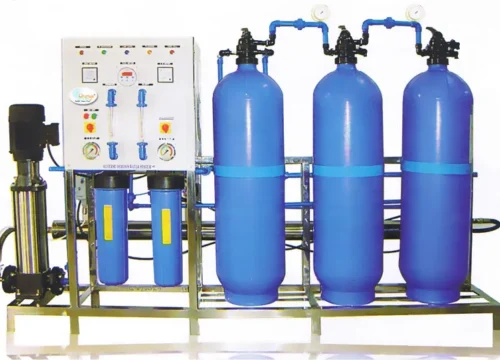
For example, sediment filters are useful for removing suspended particles such as sand, dirt, and rust. Activated carbon can help reduce chlorine, certain odors, and compounds that affect taste. More advanced technologies may be used when homeowners need to address specific contaminants.
One common approach is cartridge filtration, where water passes through a replaceable filter cartridge designed for a particular treatment purpose. These systems can be relatively straightforward to install and maintain, making them practical for point-of-use applications and certain whole-home setups.
The key is matching the cartridge to the water. A filter intended for sediment won’t suddenly become effective against every dissolved contaminant simply because it has been installed in a larger housing.
When Water Softening Is the Better Answer
Hard water is another issue that filtration alone doesn’t necessarily solve. It typically contains elevated levels of calcium and magnesium, which can leave mineral deposits on faucets, shower doors, appliances, and plumbing fixtures.
Over time, scale can become more than a cosmetic nuisance. It may reduce the efficiency of water heaters and restrict water flow in pipes and fixtures. You may also notice that soap doesn’t lather as easily and laundry feels different after washing.
Water softeners are designed specifically to address hardness minerals. Depending on the system, treatment may use ion exchange or alternative conditioning technologies.
If hard water is the main complaint, installing a standard carbon filter may improve taste but won’t necessarily address the underlying hardness. Again, the solution needs to fit the problem.
The Role of Chemical Feed Systems
Some water conditions require more than mechanical filtration. In certain residential, agricultural, commercial, or industrial applications, chemicals may be introduced into the water at controlled levels to address specific contaminants or treatment challenges.
Chemical feed systems can be used to introduce substances such as disinfectants or oxidizing agents into a water stream. For example, oxidation can help make certain dissolved iron, manganese, or sulfur-related compounds easier to remove through subsequent filtration.
These systems require careful design and monitoring. Chemical dosage matters, and too little may be ineffective while excessive dosing can create its own problems. That’s why professional installation and regular maintenance are particularly important when chemical treatment is involved.
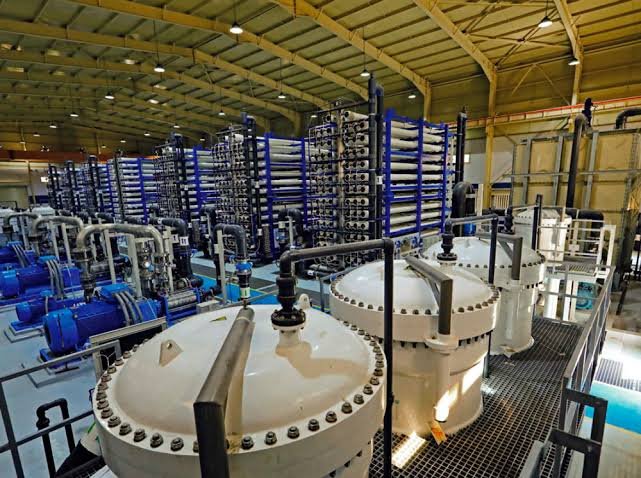
For larger properties or specialized applications, treatment may involve several stages working together rather than relying on one piece of equipment.
Whole-Home vs. Point-of-Use Treatment
Another decision is where treatment should happen.
A whole-home system treats water as it enters the property. This means treated water can be supplied to showers, sinks, laundry rooms, and other fixtures. It can make sense when the water-quality issue affects the entire household.
Point-of-use systems, meanwhile, treat water at a specific location. An under-sink drinking water system is a familiar example. It can be a practical choice when the primary concern is drinking and cooking water rather than every gallon used around the home.
Neither approach is automatically better. A household with widespread hard water may benefit from whole-home treatment, while someone primarily concerned about drinking water may prefer a targeted system.
Maintenance Is Part of the System
A water treatment system isn’t a “set it and forget it” appliance. Filters eventually become loaded with contaminants, media can lose effectiveness, and components need inspection.
Neglecting maintenance can affect water quality and system performance. In some cases, a clogged filter can also reduce water pressure.
Maintenance requirements vary considerably. Some filters need frequent replacement, while larger systems may use longer-lasting media that requires periodic servicing or regeneration.
It helps to ask practical questions before installation:
- How often does the filter need replacement?
- What does replacement typically cost?
- How will I know when service is required?
- Does the system require electricity?
- Is professional maintenance recommended?
- What happens if household water demand increases?
These details aren’t glamorous, but they matter after the installer leaves.
Think About the Entire Water System
Good water treatment isn’t only about buying equipment. Plumbing configuration, water pressure, flow rate, incoming water quality, household size, and daily consumption can all influence how well a system performs.
For example, a filter that works beautifully at a bathroom sink may not be appropriate for a large home with several showers running at once. Similarly, a treatment system designed for municipal water may not be the right choice for untreated well water.
That’s why professional assessment can be worthwhile, especially when water problems are persistent or complicated. An experienced water-treatment specialist can look at the broader system instead of focusing on a single symptom.
Making a Smarter Investment
The cheapest system isn’t always the most affordable one over several years. Replacement filters, maintenance, water waste, electricity use, installation costs, and expected lifespan all contribute to the real cost of ownership.
It’s also worth being cautious about dramatic claims. No single treatment technology removes every possible contaminant, and reputable providers should be able to explain exactly what a system is designed to reduce.
Look for clear specifications, realistic maintenance requirements, and treatment claims supported by appropriate testing or certification. If a salesperson can’t explain what the equipment removes—or why it is appropriate for your water—it’s reasonable to pause before signing anything.
Cleaner Water Starts With the Right Approach
Water quality problems can be frustrating, but they don’t have to become a permanent part of daily life. The smartest approach is usually straightforward: test the water, identify the actual concern, choose technology designed for that concern, and maintain the equipment properly.
Whether the answer involves sediment filtration, carbon treatment, softening, reverse osmosis, or a combination of technologies, the goal should always be the same—reliable water that fits the needs of the people using it.
In the end, better water treatment isn’t about having the most complicated system in the house. It’s about having the right one. And sometimes, that means keeping things surprisingly simple.