Understanding Hard Water: Why Water Softeners Can Make a Difference at Home
Water is one of those things we use all day without giving it much thought. We drink it, cook with it, wash our clothes in it, and rely on it for showers and cleaning. But when the water contains a high level of dissolved minerals such as calcium and magnesium, everyday tasks can start to feel strangely difficult. Glasses look cloudy, soap refuses to lather properly, and a white crust slowly appears around faucets.
That’s the everyday reality of hard water. It isn’t usually something you notice overnight. Instead, the signs tend to creep in gradually, until you start wondering why your bathroom looks dirty again two days after cleaning it.
What Makes Water Hard?
Hardness occurs when groundwater picks up minerals while moving through rocks and soil. Calcium and magnesium are the main culprits. The harder the water, the more minerals it carries.
For most households, hard water isn’t an immediate health concern. The bigger issue is what those minerals leave behind. Over time, deposits can build up inside plumbing fixtures, water heaters, showerheads, washing machines, and other appliances.
You might notice spots on dishes, dull-looking laundry, dry-feeling skin, or a chalky layer around taps. None of these problems seems huge on its own. Put them together, though, and they can become pretty frustrating.
Why Hard Water Can Be Tough on Your Home
One of the biggest problems is mineral buildup. When hard water is heated, calcium deposits can settle on surfaces and inside equipment. Your water heater, for example, may gradually develop a layer of scale around its heating components.
That buildup can reduce efficiency and make the appliance work harder. In some cases, it can also shorten the useful life of plumbing equipment.
There’s another small annoyance: cleaning. Soap and minerals can react to form a stubborn residue often called soap scum. This is why your shower door may develop cloudy marks even when you clean it regularly.
And yes, sometimes you really are cleaning correctly. The water is simply making the job harder.
How Water Softeners Work
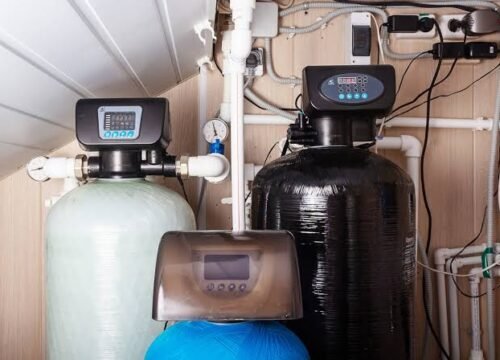
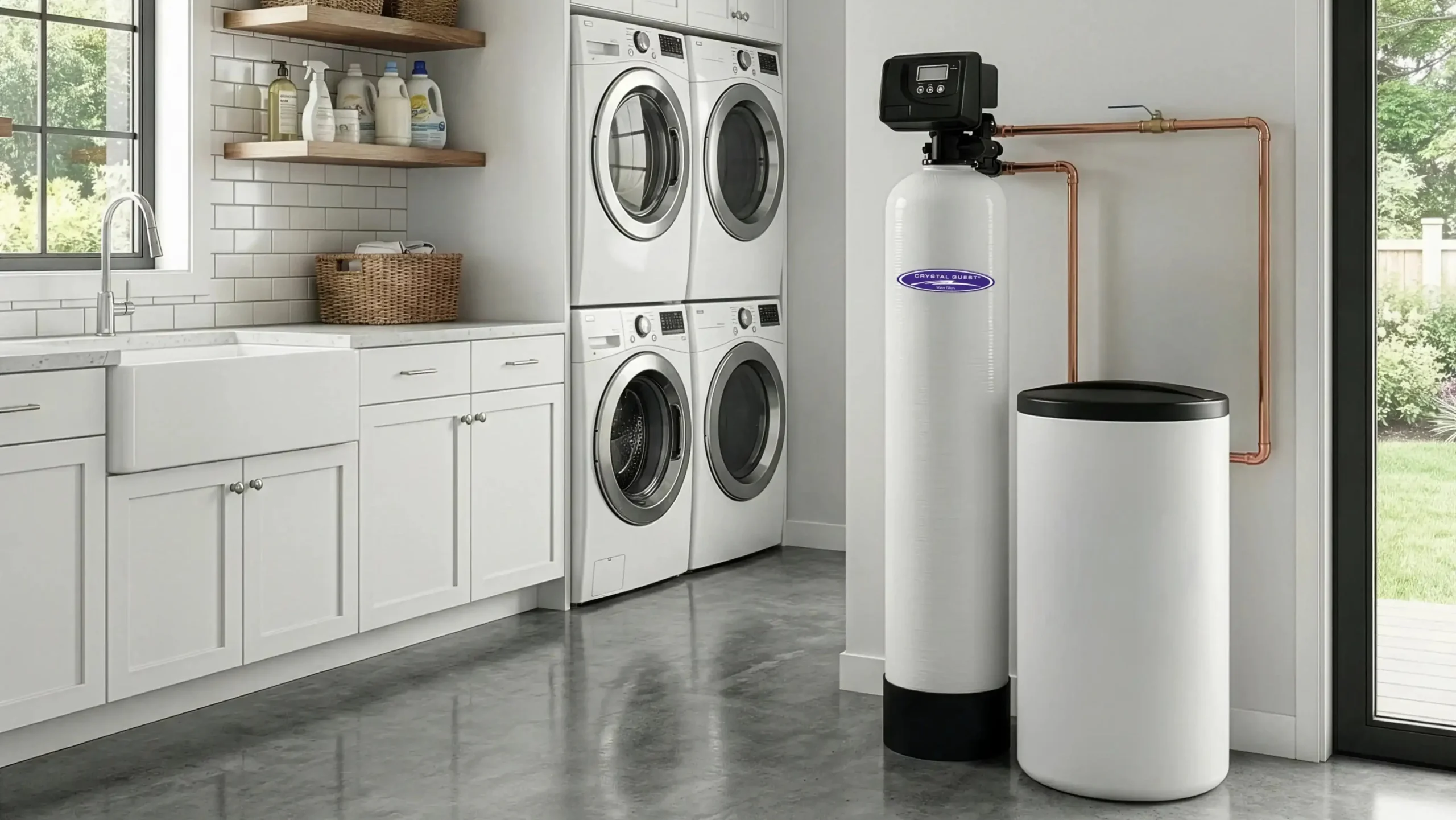
This is where water softeners can become useful. A traditional water softener uses a process called ion exchange. In simple terms, the system removes calcium and magnesium ions from the water and replaces them with sodium or, in some systems, potassium ions.
The softened water then moves through your home’s plumbing with far fewer hardness minerals.
It’s not magic, although after dealing with mineral buildup for years, it might feel that way. Soap tends to lather more easily, dishes can come out clearer, and the familiar white deposits around fixtures may become much less noticeable.
Choosing the Right Water Softener System
Not every home has the same water quality or water usage. Household size, incoming water hardness, plumbing setup, and daily consumption can all affect which type of equipment makes sense.
Modern water softener systems are available in several sizes and configurations. Some are designed for smaller households, while larger units can handle significantly more water.
It’s worth having your water tested before buying anything. A basic water test can tell you the hardness level and may reveal other issues that a softener alone won’t solve.
For example, if your water has iron, sediment, unusual odors, or bacterial contamination, you may need additional treatment. Buying a softener without understanding the water first can be a bit like buying glasses without checking your eyesight.
The Difference You May Notice Every Day
The benefits of softened water often show up in ordinary household routines.
Laundry is a good example. Hard water can interfere with detergents, leaving fabrics feeling stiff or less clean. Softer water allows soap to work more effectively, which may help clothes feel fresher.
The same idea applies to bathing. Some people find that their skin feels less dry after switching to softened water, while hair may feel smoother because there is less mineral residue.
Then there are the appliances. Dishwashers, washing machines, water heaters, and coffee makers can all be affected by mineral deposits. Reducing those deposits may help equipment operate more efficiently and potentially reduce maintenance needs.
Of course, results vary depending on the hardness of your water and the condition of your existing plumbing.
What About Salt and Maintenance?
A common concern with traditional softeners is salt. Salt-based units require regular replenishment of salt and periodic maintenance. The exact amount depends on the system, water hardness, and household usage.
It’s important not to ignore maintenance. A softener isn’t a “set it and forget it” appliance. The brine tank needs attention, settings should be adjusted correctly, and the system should occasionally be inspected.
Some homeowners prefer salt-free conditioning technologies because they don’t want to handle salt. However, these systems generally work differently from conventional ion-exchange softeners and shouldn’t automatically be considered equivalent.
Understanding the difference before making a purchase can save both money and disappointment.
Do You Actually Need a Water Softener?
That’s the million-dollar question, and the honest answer is: it depends.
If your water is only mildly hard and you don’t have noticeable scale problems, you may decide that a softener isn’t worth the expense. On the other hand, households with very hard water may see meaningful improvements in cleaning, appliance care, and overall convenience.
Start with testing. Look at your water hardness, inspect your fixtures, and consider whether mineral deposits are already causing problems. If you rent your home, check with the property owner before making any plumbing changes.
A professional water treatment specialist can also help determine whether softening is appropriate and what capacity you actually need.
A Smarter Approach to Better Water
Water quality isn’t just about what comes out of the faucet today. It’s also about what that water does to your home over months and years.
If mineral buildup is becoming a constant battle, addressing the underlying hardness may make more sense than repeatedly scrubbing away the symptoms. The right treatment can make everyday cleaning easier, help protect plumbing equipment, and simply make water feel better to live with.
Still, the best solution isn’t always the most expensive one. Test your water first, understand the problem, compare treatment options, and choose equipment that matches your household rather than buying based on flashy claims.
After all, good water treatment should make life simpler—not give you another complicated machine to worry about.