Finding the Right Water Softening Solution for a More Comfortable Home
Water is one of those household essentials that quietly affects almost everything. You notice it when the showerhead develops a white crust, when glasses come out of the dishwasher looking cloudy, or when soap seems strangely difficult to rinse away. These little annoyances are often signs of hard water.
Hard water isn’t usually something people think about until it starts causing trouble. It contains minerals, mainly calcium and magnesium, that can leave deposits on fixtures and contribute to buildup inside plumbing and appliances. Fortunately, the right treatment approach can make a noticeable difference without turning water care into a complicated project.
What Makes Water Hard?
Hardness is primarily caused by naturally occurring minerals that dissolve into groundwater as it moves through soil and rock. The amount can vary considerably from one location to another, which explains why a neighbor’s water may behave differently from yours.
You might notice dry-feeling skin after a shower, mineral spots on faucets, or reduced efficiency in water-using appliances. Over time, deposits can accumulate where you least want them—inside pipes, heating elements, showerheads, and washing machines.
None of this means every home automatically needs a softener. The first step is understanding the hardness level and deciding whether it’s actually creating a problem worth treating.
How Water Softening Works
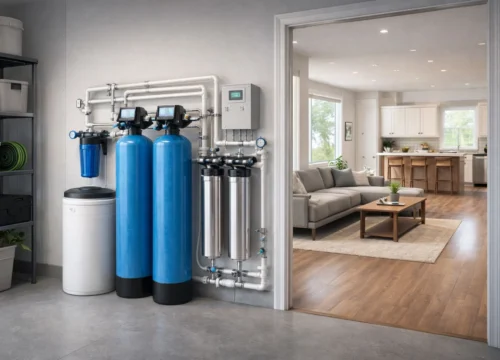
Traditional water softening generally works through ion exchange. In simple terms, the system captures hardness minerals such as calcium and magnesium and exchanges them for sodium or, in some systems, potassium ions.
The process happens inside a tank containing specialized resin beads. As hard water passes through, the resin attracts the hardness minerals. Eventually, the resin needs to be regenerated so it can continue doing its job.
It sounds technical, but from a homeowner’s perspective, the important point is pretty simple: the system is designed to reduce the minerals responsible for many common hard-water problems.
What Can a Softener Actually Improve?
The benefits can be surprisingly practical. Softer water may reduce mineral deposits around faucets and fixtures, make soaps and detergents work more effectively, and help prevent scale buildup in certain appliances.
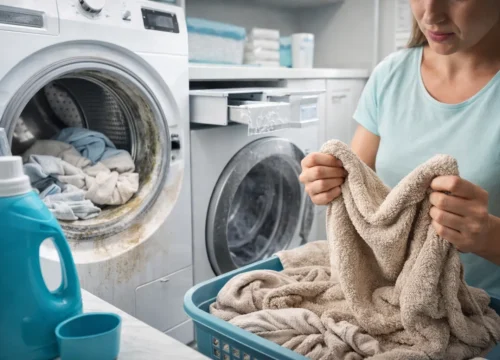
You may also find that laundry feels different. Clothes can sometimes come out less stiff, while dishes may have fewer mineral spots.
There’s another benefit that doesn’t get talked about enough: less cleaning. Nobody wakes up excited to scrub scale from a shower screen. If reducing mineral deposits means spending less time fighting those white marks, that’s a win in itself.
Choosing a Water Softener Company
If you’re considering installation, finding the right water softener company matters almost as much as choosing the equipment.
A reliable provider should ask questions before recommending a system. How hard is your water? How many people live in the home? How much water do you typically use? What kind of plumbing and appliances do you have?
Those details help determine the appropriate system size and configuration.
Be cautious of anyone who immediately pushes the largest or most expensive unit without discussing your actual needs. Water treatment isn’t one-size-fits-all, and a trustworthy professional should be comfortable explaining why a particular system makes sense.
Don’t Forget About Filtration
One common misunderstanding is assuming that a water softener is also a complete filter. It isn’t.
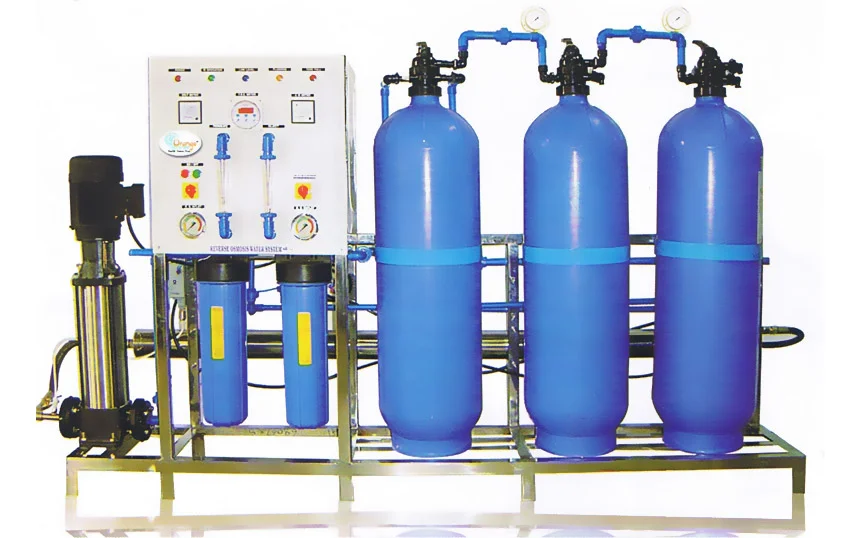
Softening primarily addresses hardness minerals. Filtration can target other concerns depending on the filter technology, including sediment, chlorine taste and odor, and certain specific substances.
For some homes, combining a softener with a filtration system makes sense. For others, a simple filter or no additional treatment may be necessary.
The right combination depends on the water source and what you want to accomplish. That’s why testing your water before buying equipment is such a sensible move.
Why Water Testing Comes First
Before spending hundreds or thousands of dollars on treatment equipment, find out what you’re actually dealing with.
A water test can provide information about hardness and other characteristics. If you use private well water, testing can be particularly important because conditions may change over time.
Think of it as avoiding guesswork. You wouldn’t replace the entire electrical system in your house because one lightbulb stopped working. Water treatment should be approached with the same common sense.
Once you know what’s present, you can choose technology that addresses the real issue rather than paying for features you don’t need.
Maintenance Is Part of the Package
A water softener doesn’t simply get installed and disappear from your life. It needs basic care.
Salt-based systems require regular salt replenishment, and the resin eventually needs regeneration. Depending on the equipment, other components may also require inspection or servicing.
Fortunately, routine maintenance is usually manageable. Keep an eye on salt levels, follow the manufacturer’s recommendations, and pay attention to changes in water quality or system performance.
If you’re using a professional service provider, ask what maintenance they offer and whether service plans are available.
Think About Operating Costs
When comparing systems, don’t focus only on the initial price. Consider the ongoing expenses too.
Salt consumption, replacement components, servicing, water usage, and electricity can all contribute to the total cost of ownership. A cheaper unit may not remain cheaper if it requires frequent maintenance or expensive parts.
It’s worth asking for a realistic estimate of annual operating costs. That gives you a much clearer picture than a promotional price alone.
Is a Water Softener Right for You?
There isn’t a universal answer. Some homes have very hard water and can benefit considerably from softening. Others may have moderate hardness that doesn’t create enough trouble to justify installing a system.
The best decision starts with information. Test the water, identify the problems you’re experiencing, and consider which treatment technology addresses those problems.
If hard water is affecting your plumbing, appliances, cleaning routine, or simply making everyday chores more annoying than they should be, a properly selected system may be a worthwhile investment.
At the end of the day, good water treatment isn’t about having the fanciest equipment in the neighborhood. It’s about solving a real problem and making your home a little easier to live in.
And honestly, if your showerhead stays clean, your glasses look clear, and you spend less time scrubbing mineral stains, you probably won’t think much about the system at all. That’s kind of the point.