Cleaner Water Throughout Your Home: Understanding Whole-Home Filtration
Water is such a normal part of everyday life that most of us barely notice it. We turn on the kitchen tap, take a shower, wash the dishes, and start the laundry without wondering what might be traveling through the pipes.
Then the signs start appearing. Maybe there’s a strange taste in your morning water. Perhaps the showerhead has developed a crusty white coating, or your freshly washed glasses look cloudy. Sometimes the problem isn’t obvious at all, which makes understanding your home’s water quality even more important.
A good filtration strategy can help homeowners address specific water concerns and enjoy more consistent water throughout the house.
Why Your Home’s Water Deserves Attention
Water quality can vary significantly depending on the source. Municipal water and private well water can have different characteristics, and local plumbing conditions may influence what eventually comes out of your taps.
Some households deal mainly with sediment or unpleasant odors. Others have concerns related to minerals, chlorine, or specific contaminants. There’s no one-size-fits-all answer.
That’s why testing your water before choosing equipment is such a sensible move. You don’t need to become a chemistry expert. A basic analysis can simply tell you what you’re dealing with and help you avoid buying treatment equipment you don’t actually need.
What Is Whole-Home Water Filtration?
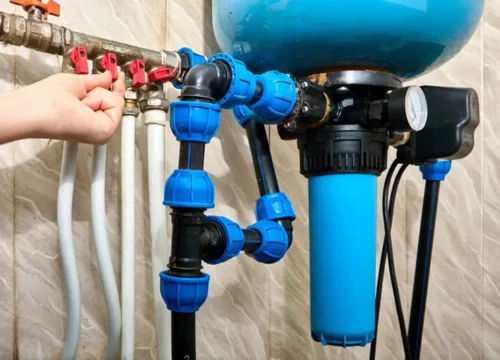
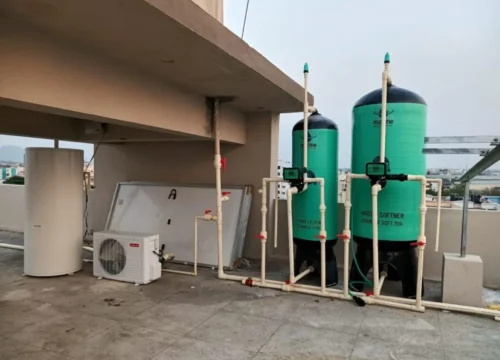
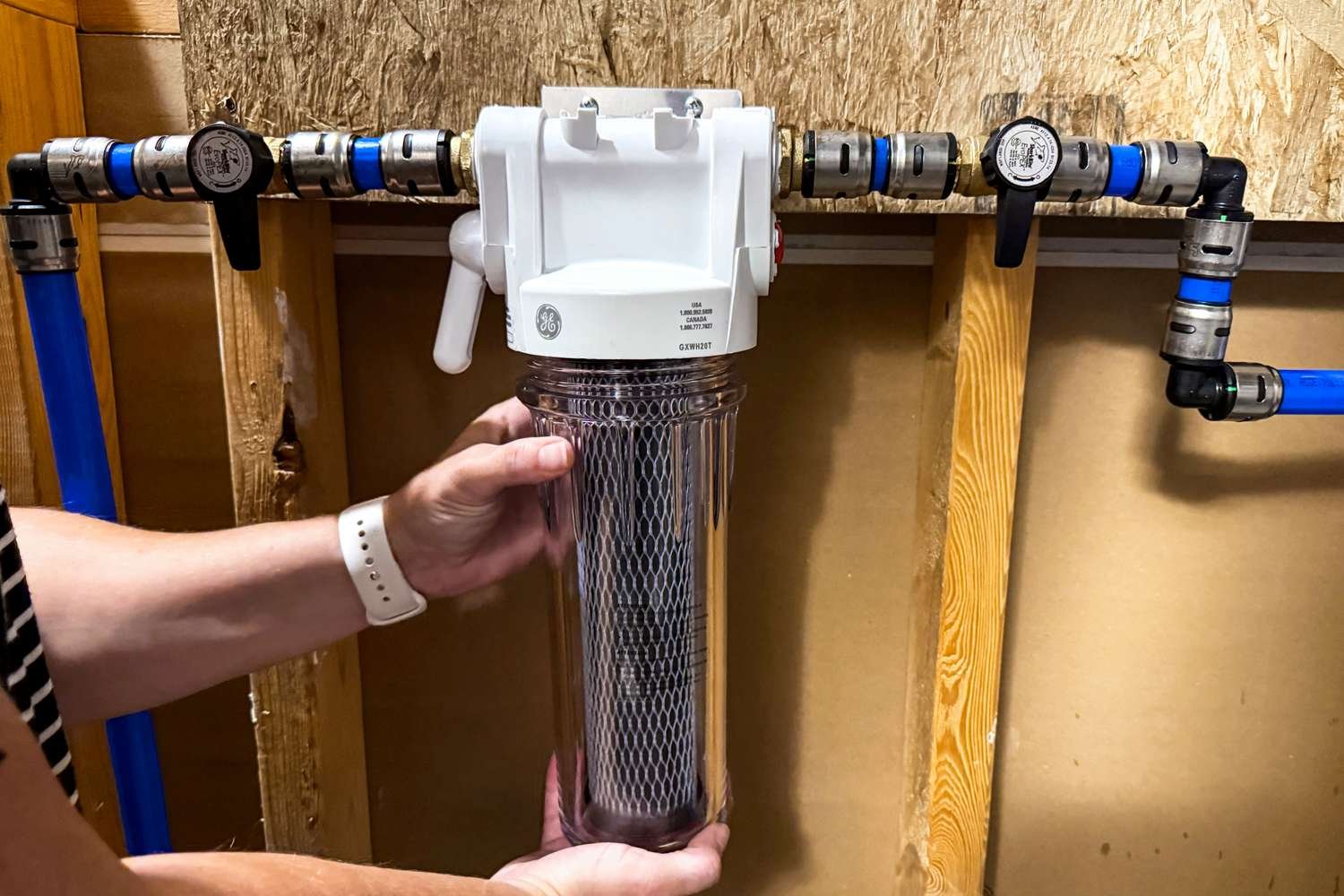
Unlike a small filter attached directly to a kitchen faucet, whole home water filtration is designed to treat water as it enters the property or at another central point in the plumbing system.
That means treated water can be available at multiple taps around the house, depending on the system and installation.
Think beyond drinking water for a moment. You use household water for showers, cooking, brushing your teeth, washing clothes, and cleaning. A whole-home approach can therefore address water quality across more of your daily routines instead of focusing on just one faucet.
The exact technology depends on what’s present in the water.
Understanding Water Contamination
The phrase water contamination can sound alarming, but it doesn’t always mean something dramatic has happened. Water quality can be affected by various substances depending on the source and local conditions.
Sediment, microorganisms, naturally occurring minerals, and certain chemicals are examples of things that may require attention in different water supplies. However, the right treatment depends entirely on what testing identifies.
This is an important point because filtration systems aren’t interchangeable. A filter designed to reduce sediment may not address another specific contaminant. Likewise, a system intended for one water-quality concern shouldn’t automatically be assumed to solve another.
Good treatment starts with knowing the problem.
Hard Water and Mineral Buildup
Hard water is another common concern for homeowners. It contains elevated levels of minerals, particularly calcium and magnesium.
These hardness minerals can leave deposits on faucets, shower doors, and appliances. Over time, you may notice white spots on dishes or scale buildup around fixtures. Soap can also behave differently, making it harder to get that clean, rinsed feeling after a shower.
Hard water isn’t necessarily a reason to panic, but it can become an annoying household issue. Depending on the severity, a water softener may be more appropriate than a standard filtration system.
Understanding the difference is important. Filtration and softening serve different purposes.
Filtration Isn’t the Same as Softening
This is where things can get confusing for homeowners.
A filtration system is generally designed to reduce particular substances or improve characteristics such as taste, odor, or clarity. A water softener, on the other hand, is primarily intended to address hardness minerals.
Some homes may benefit from one technology. Others may need a combination.
There’s no prize for having the most equipment in your basement or garage. The goal is simply to have the right treatment for your water.
How Better Filtration Can Improve Everyday Life
When water quality improves, the difference can sometimes be subtle. You may notice that your drinking water tastes better, or that an unpleasant odor has disappeared.
Other changes are more practical. Reduced sediment can help keep fixtures cleaner, while appropriate treatment may help protect certain water-using appliances from specific water-quality issues.
And then there are the little comforts. A glass of water that tastes fresh. Coffee that doesn’t carry an odd aftertaste. A shower that feels cleaner. These aren’t revolutionary changes, but they can make a home feel noticeably better.
Choosing a System That Fits Your Home
When shopping for filtration equipment, avoid making the decision based solely on price or marketing claims.
Start with your water test. Then consider household size, daily water consumption, plumbing configuration, maintenance requirements, filter replacement schedules, and installation needs.
Ask the provider exactly what the system is designed to remove or reduce. If they can’t explain it clearly, that’s a warning sign.
You should also ask about warranties and service. Even a well-designed system needs maintenance, and having someone available when something goes wrong can be valuable.
Maintenance Is Part of the Deal
Water treatment equipment isn’t completely hands-off. Filters eventually become saturated and need replacement. Some systems require periodic inspections or cleaning.
Ignoring maintenance can reduce performance and potentially create additional problems.
Set reminders for filter changes and keep basic records of servicing. It doesn’t take much time, and it’s one of those boring little household jobs that pays off later.
A Practical Approach to Better Water
You don’t have to overhaul your entire home overnight. Start by understanding your water. Identify the concerns that matter most, then explore treatment options designed specifically for those issues.
For some homeowners, that may mean whole-home filtration. For others, a softener, point-of-use filter, or specialized treatment system could be a better fit.
The smartest choice isn’t necessarily the biggest or most expensive system. It’s the one that addresses your actual water-quality needs, fits your budget, and can be maintained without becoming a burden.
At the end of the day, good water treatment is about making everyday life a little easier. When the water coming from your taps is cleaner, more pleasant, and better suited to your home’s needs, you notice it—in small ways, every single day.