Finding Better Water Solutions Without Making Things Complicated

Water is one of those everyday essentials we rarely think about until something goes wrong. You turn on the kitchen faucet, fill a glass, start the shower, and expect the water to simply do what it’s supposed to do. But strange tastes, mineral spots, unpleasant odors, or constant scale around fixtures can quickly make you question what’s actually flowing through your home.
The good news is that improving household water quality doesn’t have to become a complicated project. With a little information and the right approach, homeowners can identify common water problems and choose a treatment solution that makes sense for their needs.
Start With the Water You Already Have
Before buying any filtration or treatment equipment, it’s worth understanding your water source. Municipal water and private wells can have very different characteristics, and even homes in the same neighborhood may experience different issues because of plumbing or local conditions.
A water test can provide useful information about hardness, pH, minerals, sediment, chlorine, and other characteristics. You don’t need to become a water chemistry expert. You simply need enough information to understand which problems actually need attention.
That first step can save money, too. It’s easy to buy a system because it has impressive features, only to discover later that most of those features weren’t necessary for your home.
Why Clean Water Matters Every Day
Water quality isn’t only about what comes out of your drinking glass. Your household uses water for cooking, bathing, laundry, cleaning, and appliances. When the water quality is poor, the effects can show up in surprisingly ordinary places.
For many homeowners, the goal is simply having clean, dependable water available whenever the family needs it. That might mean improving taste, reducing sediment, dealing with hard water, or addressing another specific concern.
The important thing is to focus on the actual problem instead of assuming that every household needs the same treatment system. Good water treatment is personal in that sense. What works beautifully for one home may be unnecessary for another.
Filtration Can Make a Noticeable Difference
Filtration is one of the most common ways homeowners improve water quality. Depending on the filter technology, a system may help reduce sediment, chlorine, certain odors, or other unwanted substances.
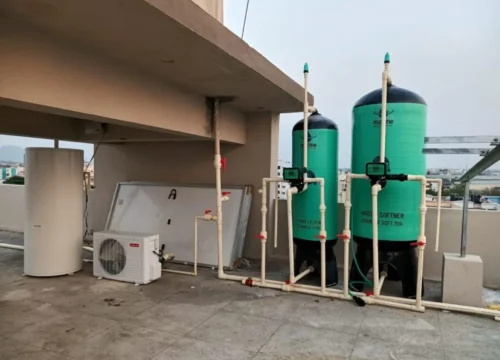
Some filters are installed at a single faucet, while whole-house systems treat water before it travels through the plumbing. The right choice depends on how widespread your water concerns are.
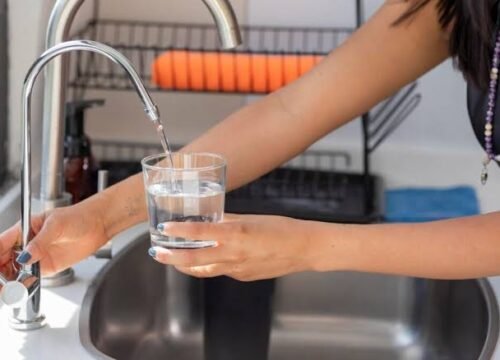
If the problem is mainly with drinking water, a point-of-use system may be enough. If several fixtures are affected, whole-house filtration can be a more practical option.
It’s also important to remember that filters have limits. No single filter removes everything, and claims should always be matched to the actual technology being used.
Good Service Is Part of the Experience
A water treatment system is a long-term purchase, so the company behind it matters. Installation is only one part of the relationship. At some point, you may need maintenance, replacement filters, troubleshooting, or answers to a question that wasn’t covered in the original instructions.
That’s why honest service is worth looking for when comparing providers. Clear explanations, straightforward recommendations, transparent pricing, and realistic expectations are all signs of a company that respects its customers.
Be cautious of anyone who immediately recommends the most expensive system without first asking about your water. A trustworthy professional should want to understand the situation before suggesting a solution.
Quality Equipment Is Worth Considering
Water treatment equipment isn’t something most homeowners want to replace every year. That’s why construction and component quality deserve attention when comparing systems.
Look for high-quality systems that are appropriate for your water conditions and household size. Check the manufacturer’s information, maintenance requirements, replacement parts, and warranty terms before making a decision.
A strong system isn’t necessarily the largest or most expensive one. In many cases, the best choice is equipment that does exactly what your home needs without unnecessary extras.
Don’t Forget About Maintenance
Even the best equipment needs attention from time to time. Filters eventually become saturated, connections should be checked, and certain systems require regular cleaning or other maintenance.
It’s easy to forget about these things because water treatment equipment usually works quietly in the background. But ignoring maintenance can affect performance and shorten the useful life of the system.
A simple calendar reminder can help. Keep track of filter changes and follow the manufacturer’s recommended maintenance schedule. If you notice a sudden change in water taste, pressure, color, or odor, don’t ignore it.
Making a Smarter Choice
Choosing a water treatment solution doesn’t need to feel overwhelming. Start with a basic understanding of your water, identify the problems that actually matter, and then compare solutions based on performance, maintenance, cost, and long-term support.
Most importantly, don’t let complicated terminology push you into a decision you don’t understand. Ask questions. A good provider should be able to explain the system in plain language.
At the end of the day, better water is about more than equipment sitting in a utility room. It’s about knowing that the water your family drinks, cooks with, bathes in, and uses every day is being treated according to the needs of your home.
When the right solution is in place, you may barely notice it—and that’s a good thing. The best water treatment simply becomes another quiet part of a comfortable, well-maintained home.