Commercial Water Filtration: A Practical Guide for Businesses That Depend on Great Water
Water may seem like a small part of running a business, but in many commercial spaces, it quietly affects almost everything. From the taste of a cup of coffee to the quality of ice in a cold drink, water can influence what customers experience and how equipment performs behind the scenes.
For restaurants, cafés, offices, hotels, and other businesses, choosing the right filtration setup isn’t just about having better-tasting water. It can also be about protecting equipment, reducing maintenance headaches, and creating a more consistent experience for customers.
Why Water Quality Matters in Commercial Spaces
Commercial kitchens and beverage operations can use an enormous amount of water every day. That water may pass through coffee makers, ice machines, steamers, dishwashers, and other equipment.
Hard water can leave mineral deposits inside equipment. Sediment can interfere with components and affect water appearance. Chlorine and other substances may influence taste and odor. When these issues continue unchecked, the cost isn’t always obvious at first.
A machine may simply need cleaning more often. Coffee may taste slightly different. Ice might look cloudy. Eventually, those small annoyances can become expensive maintenance problems.
Choosing the Right Filtration System
There isn’t one filtration system that works perfectly for every business. A busy restaurant has different requirements than a small office, and a coffee shop may have very specific water needs.
That’s why commercial water filtration systems should be selected based on the business’s water source, usage volume, equipment, and specific water-quality concerns.
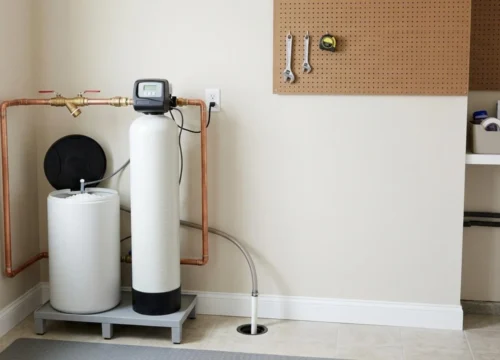
A proper assessment can help determine whether the business needs sediment filtration, carbon filtration, scale control, reverse osmosis, or a combination of technologies. The goal isn’t to install as much equipment as possible. It’s to install what actually makes sense.
Coffee Shops Have Unique Water Needs
For a café, water quality can be surprisingly important. Coffee is mostly water, after all. Even excellent beans and a skilled barista can’t completely overcome water that has an unpleasant taste or an unsuitable mineral balance.
Water also passes through espresso machines, brewers, and other equipment throughout the day. Mineral buildup can affect performance and increase cleaning requirements.
That’s why water filtration for coffee shops & ice machines deserves careful consideration. The right system can help support consistent beverage quality while also addressing the demands placed on expensive equipment.
Of course, filtration alone doesn’t replace regular cleaning. It works alongside good operating practices.
Ice Machines Need Attention Too
Ice is often overlooked because it seems simple. Fill the machine, freeze the water, and you’re done. In reality, ice machines are sensitive to water quality and require regular care.
Mineral deposits can build up inside the equipment, while certain water-quality issues can affect the appearance and taste of ice. Nobody wants a customer to notice that their drink tastes strange because the ice isn’t quite right.
A filtration system designed for the specific equipment can help, but businesses should always follow the manufacturer’s recommendations. Different machines have different requirements, and more filtration isn’t automatically better.
Consider Your Water Source
Before choosing equipment, understand where your water comes from. Municipal water and private wells can have different characteristics, and even municipal supplies can vary by location.
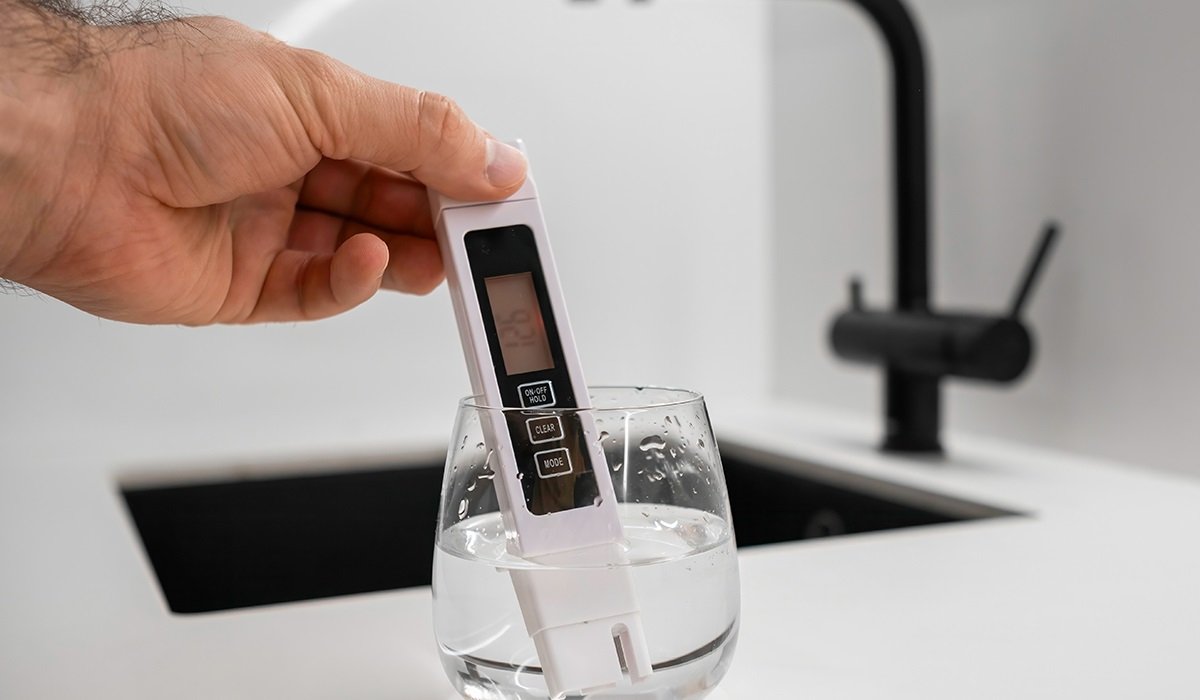
Testing the water can reveal hardness levels, sediment, chlorine, and other characteristics that influence treatment decisions. Without that information, a business may end up paying for equipment that addresses a problem it doesn’t actually have.
A good provider should be willing to explain the reasoning behind its recommendations rather than simply presenting a long list of products.
Professional Guidance Can Save Time
Commercial filtration can become complicated quickly, especially when several pieces of equipment need treated water. A professional can look at water quality, flow rates, equipment specifications, and expected usage before suggesting a system.
Some companies offer free consultations, which can be useful for businesses that aren’t sure where to begin. Use that opportunity to ask practical questions. What contaminants or minerals is the system designed to address? How often do filters need replacement? What maintenance is required? What will ongoing operating costs look like?
Those answers can be more valuable than a flashy sales pitch.
Maintenance Is Part of the Investment
Even the best filtration system needs maintenance. Filters eventually need replacement, equipment needs inspection, and certain components may require cleaning.
Businesses should have a clear maintenance schedule rather than waiting until something stops working. In a busy café or restaurant, unexpected equipment downtime can quickly become frustrating and expensive.
Keep track of filter changes and service appointments. Train staff to notice unusual changes in water taste, pressure, or equipment performance. Small observations can sometimes catch a problem before it becomes a major repair.
Better Water Can Support Better Business
Water filtration isn’t necessarily the most exciting business investment. It doesn’t create a dramatic visual transformation, and customers may never know the equipment is there.
But they may notice the results.
A better-tasting cup of coffee, cleaner-tasting ice, more reliable equipment, and fewer scale-related problems all contribute to smoother daily operations. For businesses that serve food and beverages, those details matter.
The smartest approach is straightforward: understand your water, identify the needs of your equipment, choose filtration technology accordingly, and maintain it properly. When water quality is handled thoughtfully, it becomes one less thing for your business to worry about — and one more thing you can quietly get right.