Choosing the Right Water Treatment Solution for Your Home
Water is one of those things we tend to notice only when something goes wrong. Maybe your shower leaves a chalky film behind. Perhaps your dishes come out of the dishwasher looking cloudy, or your skin feels unusually dry after washing. In many homes, these everyday annoyances are signs of hard water.
Hard water contains elevated levels of minerals, particularly calcium and magnesium. While these minerals aren’t usually a health concern, they can create plenty of household headaches. From scale buildup in pipes to reduced soap performance, hard water can quietly affect your plumbing, appliances, and daily routines.
That’s where modern water treatment options come in. The right system can make water easier to use, protect your home, and take some of the frustration out of maintenance.
Understanding What Hard Water Actually Does
Hard water isn’t necessarily dirty water. That’s an important distinction.
The main issue is mineral content. When calcium and magnesium-rich water is heated or evaporates, those minerals can form a hard, crusty deposit known as scale. Over time, scale may collect inside water heaters, faucets, showerheads, dishwashers, and plumbing lines.
You may also notice that soap doesn’t lather as easily. Instead, it can react with minerals and leave behind soap scum. Your laundry might feel rough, towels may lose some of their softness, and cleaning the bathroom can become a regular battle against white spots.
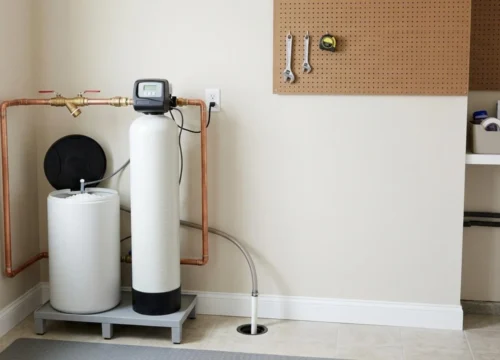
For households dealing with these problems, water softeners & hard water solutions can offer a practical way to manage excessive mineral content and improve the overall water experience.
Why Water Softeners Remain a Popular Choice
Traditional water softeners are designed specifically to address hardness minerals. Most use an ion-exchange process, where calcium and magnesium are exchanged for sodium or, in some systems, potassium ions.
The result is water that’s less likely to create scale.
That doesn’t mean every home needs the same type or size of softener. Household size, daily water consumption, incoming water hardness, plumbing configuration, and regeneration requirements all matter. Installing a system that’s too small may lead to inconsistent performance, while an oversized unit can add unnecessary expense.
A proper water test is often the best starting point. It tells you what you’re actually dealing with instead of relying on guesswork.
When Advanced Softeners Make More Sense
Water treatment technology has come a long way from the bulky, basic equipment many homeowners remember. Today’s advanced softeners can include smarter controls, demand-based regeneration, improved efficiency, and monitoring features that make system management much easier.
Some modern units measure water usage and regenerate only when necessary rather than operating on a rigid schedule. This can help reduce salt and water consumption.
For busy homeowners, convenience matters. Nobody wants to constantly check a tank, remember complicated settings, or wonder whether the system is working properly. Smart controls and automated operation can take much of that responsibility off your plate.
Still, technology alone isn’t the answer. A sophisticated softener won’t solve problems it wasn’t designed to address. That’s why understanding your water quality first is so important.
Soft Water Isn’t the Same as Filtered Water
This is where homeowners sometimes get confused.
A water softener and a water filtration system do different jobs. Softening primarily targets hardness minerals. Filtration, depending on the technology used, can target sediment, chlorine, unpleasant tastes and odors, and certain other contaminants.
If your water has several issues at once, using separate equipment may be possible, but it isn’t always the simplest arrangement.
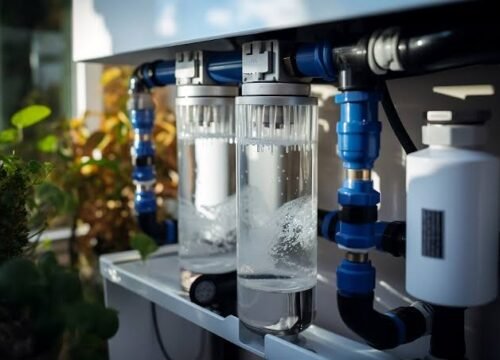
That’s why combination softener + filtration systems have become attractive for some households. These systems bring different treatment stages together, allowing homeowners to address hardness while also improving other aspects of water quality.
The exact benefits depend on the system design and the contaminants present in the water, so it’s wise to check performance claims and testing data rather than assuming one unit removes everything.
Don’t Ignore the Source of Your Water
Municipal water and private well water can behave very differently.
City water may contain disinfectants such as chlorine and can vary according to local treatment practices. Well water, meanwhile, may contain sediment, iron, manganese, sulfur compounds, or naturally occurring hardness minerals.
A neighbor’s solution isn’t necessarily your solution. Two houses on the same street can even have different plumbing conditions and water quality concerns.
Testing gives you a clearer picture. A basic analysis can identify hardness, pH, iron, and other common characteristics. More detailed testing may be appropriate when there’s a suspected contamination issue or unusual taste, odor, or staining.
Think of it like getting a diagnosis before choosing treatment. It saves money and prevents you from installing equipment that doesn’t really solve the problem.
Protecting Appliances and Plumbing
One of the biggest advantages of controlling hard water is protecting equipment that uses water every day.
Water heaters are particularly vulnerable to scale. Deposits can accumulate around heating elements or at the bottom of a tank, potentially reducing efficiency and increasing maintenance needs. Faucets, showerheads, washing machines, and dishwashers can also suffer from mineral buildup.
Over the years, these small effects can add up.
Softening the water can help reduce scale formation, which may make cleaning easier and help water-using appliances operate under better conditions. It isn’t a magic shield against every plumbing problem, of course, but reducing unnecessary mineral deposits is a sensible part of household maintenance.
Think About Maintenance Before You Buy
A water treatment system is an investment, and installation isn’t the end of the story.
Depending on the system, you’ll need to consider salt or media replacement, filter changes, cleaning, inspections, and occasional servicing. Some systems are relatively hands-off, while others require more attention.
Ask practical questions before making a decision:
- How often does the system need maintenance?
- What consumables will it require?
- How much water does regeneration use?
- What happens during a power outage?
- Is professional servicing readily available?
- What warranty and support are included?
The cheapest system isn’t always the least expensive over several years. Operating costs and maintenance can make a surprisingly big difference.
A Better Approach to Choosing a System
Start with the water, not the equipment brochure.
Have your water tested. Identify the hardness level and any other concerns. Then consider your household’s water consumption and the problems you’re actually trying to solve.
If hardness is your primary concern, a properly sized softener may be enough. If you’re also dealing with taste, odor, sediment, or other contaminants, a broader treatment setup may be worth considering.
And don’t overlook professional installation. Correct sizing, bypass configuration, drainage, plumbing connections, and system settings all affect long-term performance.
Making Everyday Water Feel Better
Good water treatment isn’t really about buying another piece of equipment for the utility room. It’s about making ordinary life a little easier.
Cleaner-looking fixtures. Softer-feeling laundry. Less scale around faucets. Better protection for appliances. Fewer cleaning headaches. Those are small improvements individually, but together they can make a noticeable difference.
The best solution isn’t necessarily the newest, most expensive, or most complicated system. It’s the one that matches your home’s water quality, usage, plumbing setup, and long-term needs.
Take the time to understand your water first, then choose the treatment approach that addresses the actual problem. That’s a much better strategy than chasing symptoms—and, in the long run, it can save both money and frustration.