Keeping Cool at Home: When Your AC Needs Care, Repair, or a Fresh Start
There are few things as easy to take for granted as a working air conditioner. On a hot afternoon, you walk inside, close the door, and expect that familiar wave of cool air to make everything feel manageable again. It’s only when the system starts blowing warm air—or refuses to start altogether—that you realize just how much you rely on it.
Air conditioning is no longer simply about escaping the heat. It affects sleep, productivity, comfort, and how enjoyable your home feels during warmer months. Looking after the system, noticing problems early, and making smart decisions about repairs or replacement can save a surprising amount of stress.
A Good Cooling System Does More Than Lower the Temperature
Professional air conditioning services can cover a wide range of needs, from seasonal inspections and cleaning to diagnosing unusual performance problems. Regular service helps keep the system operating efficiently and gives technicians an opportunity to spot worn components before they cause a complete breakdown.
Many homeowners wait until something goes wrong before thinking about maintenance. That’s understandable. If the house feels cool, the system seems fine, right?
Well, mostly. But cooling equipment can gradually lose efficiency without immediately stopping. Dirty filters, blocked coils, restricted airflow, and aging electrical components may cause the system to work harder than necessary. You might not notice the difference at first, apart from rooms taking a little longer to cool or energy bills creeping upward.
A routine inspection isn’t the most exciting item on anyone’s calendar, but neither is discovering your AC has stopped working during the hottest week of the year.
The Small Signs That Often Come Before a Breakdown
Air conditioners usually have their own way of complaining when something isn’t quite right.
Maybe the airflow feels weaker than usual. Perhaps one room stays warm while the rest of the house cools normally. Strange rattling, buzzing, grinding, or clicking sounds can also suggest that something needs attention.
Water around indoor equipment shouldn’t be ignored either. It may be related to a drainage issue or another problem that requires inspection.
Before assuming the worst, check the basics. Make sure the thermostat settings are correct and the filter isn’t heavily clogged. Confirm that vents are open and furniture isn’t blocking airflow. Sometimes the solution is surprisingly simple.
If those checks don’t solve the problem, however, continuing to run a struggling system may put additional strain on important components.
Knowing When It’s Time for Professional AC Repair
There’s a big difference between a system that needs a quick adjustment and one that is clearly asking for help. Professional ac repair becomes important when basic troubleshooting doesn’t restore normal performance.
Common warning signs include warm air coming from the vents, repeated on-and-off cycling, unusual noises, poor airflow, unpleasant odors, or a system that runs continuously without properly cooling the home.
A qualified technician can investigate the actual cause instead of simply treating the symptom. For example, weak cooling may be connected to airflow restrictions, electrical problems, mechanical wear, or issues within the cooling system itself. Guessing can be expensive.
It’s also worth remembering that online advice isn’t always universal. What worked for someone else’s unit may not apply to yours. Modern systems vary, and attempting a complicated repair without the right knowledge can create new problems or even introduce safety risks.
Sometimes, calling a professional early is the cheaper option.
Repair or Replacement? It’s Not Always Obvious
Homeowners often reach a point where they wonder whether another repair is worth the money. If an air conditioner is relatively new and has been reliable, repairing a specific issue may make perfect sense.
But an older system that breaks down repeatedly can be a different story. Repair costs begin to add up, performance may decline, and parts can become harder to source.
This doesn’t automatically mean replacement is always the answer. A trustworthy professional should assess the condition of the equipment and explain the available options.
The decision may depend on the age of the system, repair history, overall efficiency, expected future costs, and how well the equipment is performing. A slightly higher upfront investment can sometimes make sense over the long term, but every home and budget is different.
Why Proper Installation Matters From Day One
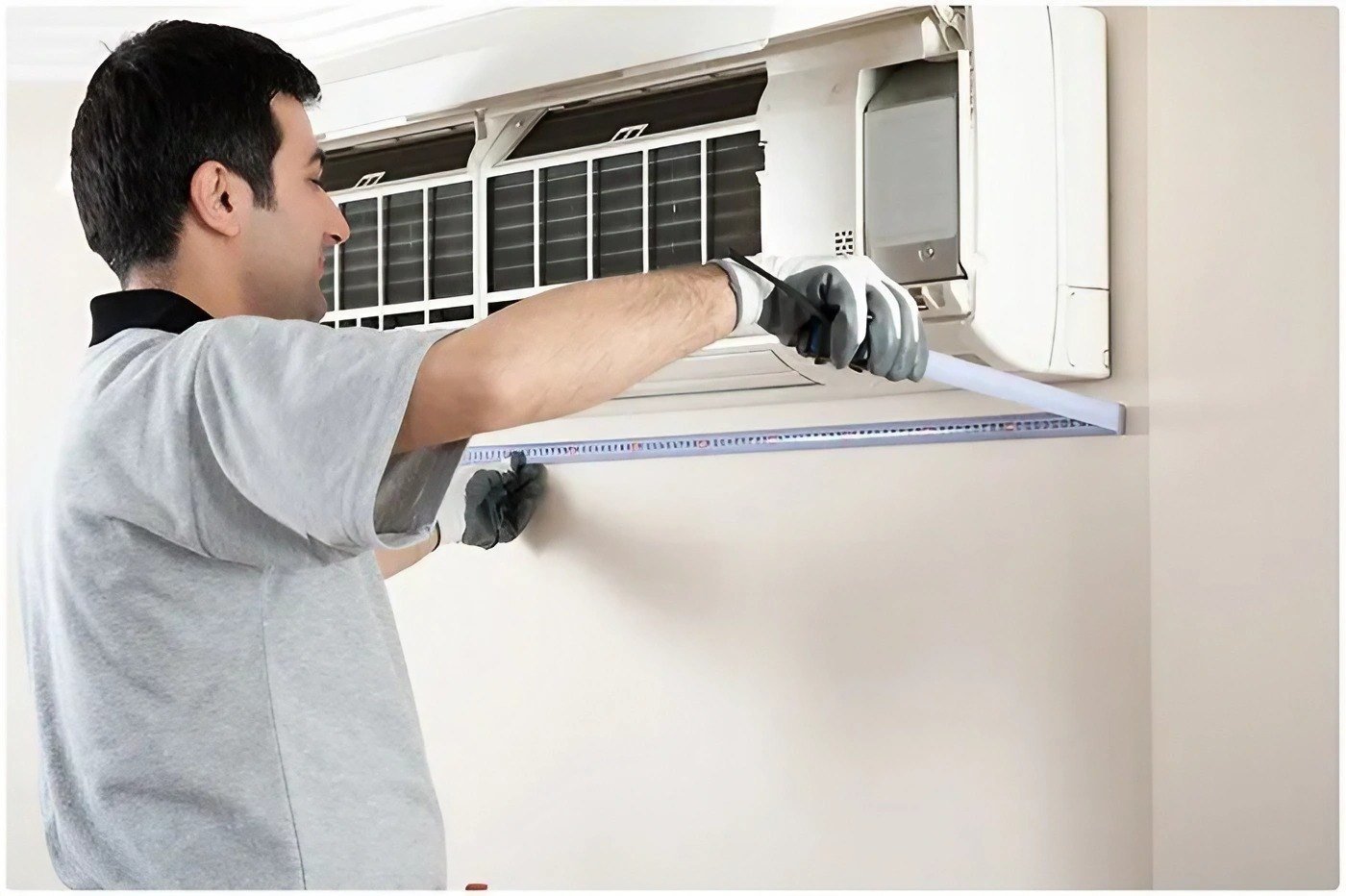
A new system can only perform as well as the installation allows. Proper ac installation involves more than placing equipment in position and switching it on.
The size of the unit matters. An oversized system can cool a space too quickly and cycle frequently, while an undersized system may struggle to maintain comfortable temperatures. Factors such as home size, layout, insulation, windows, local climate, and existing ductwork can all affect what equipment is suitable.
Installation quality also matters for airflow, drainage, electrical connections, and long-term performance. Cutting corners at this stage may lead to frustrating problems later.
This is why getting professional advice before purchasing equipment is usually worthwhile. The cheapest unit on paper isn’t necessarily the best choice for a particular home.
Simple Habits That Help Your AC Work Better
Homeowners don’t need to become HVAC experts to support their cooling system. A few practical habits can make a real difference.
Check and replace filters according to the manufacturer’s guidance and your household conditions. Homes with pets, frequent dust, or heavy system use may require more frequent attention.
Keep indoor vents clear and avoid blocking them with furniture or storage. Outdoor equipment should have reasonable clearance from leaves, grass, and other debris.
Pay attention to changes too. A new sound, weaker airflow, or rooms that suddenly feel warmer than usual may be worth investigating before the problem grows.
And yes, schedule maintenance even when the system appears to be working perfectly. That might sound like advice from someone trying to sell a service appointment, but regular inspections can genuinely help identify developing issues early.
Choosing the Right Professional
Not all service experiences are the same, and choosing the right technician can make the entire process easier.
Look for a professional who communicates clearly and explains what they find. You shouldn’t feel pressured into replacing equipment without understanding why that recommendation is being made.
Transparent estimates, appropriate qualifications, experience, warranties, and customer feedback can all help when making a decision. It’s also reasonable to ask questions. A good technician should be able to explain the issue in language that makes sense to you.
Trust matters, especially when someone is working on equipment that affects the comfort and safety of your home.
A Cooler Home Usually Starts With Paying Attention
Most air conditioning problems don’t begin as dramatic emergencies. Often, there are small clues along the way: a strange sound, reduced airflow, higher energy use, or a room that never seems to cool properly.
Paying attention to those changes can help you act before a minor issue becomes a major inconvenience. Combine basic home maintenance with professional care when necessary, and your system has a better chance of performing reliably through the season.
A comfortable home isn’t about having the fanciest equipment or the newest thermostat. Sometimes it’s simply about looking after what you already have, making sensible repair decisions, and getting the installation right when it’s time for something new.
When the temperature outside starts climbing, you’ll be glad you did.