Roll-Off Dumpsters Make Big Cleanup Jobs Much Easier
There’s a point in almost every renovation or cleanup project when you realize the rubbish isn’t going to disappear on its own. A few broken boards become a stack. A stack becomes a pile. Before long, the garage, driveway, or job site looks like a small landfill.
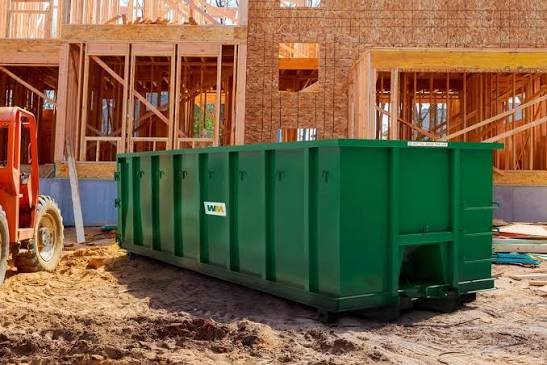
That’s when roll-off dumpsters can be incredibly useful. Designed for projects that generate a substantial amount of waste, these open-top containers give you a practical place to put debris as the work progresses. Instead of repeatedly loading a truck and driving to a disposal facility, you can keep everything contained in one spot.
It’s a simple solution, really. But simple solutions tend to be the ones people appreciate most when a project gets messy.
What Makes Roll-Off Dumpsters Different?
Roll-off dumpsters are typically delivered by specialized trucks and placed at the property using a rolling mechanism. Unlike smaller waste containers, they’re generally open at the top, making it easier to throw in bulky materials.
That makes them especially useful for remodeling, demolition, construction, roofing, estate cleanouts, and major home improvement projects.
You don’t have to neatly bag every piece of debris. Old cabinets, broken drywall, lumber, flooring, furniture, and other large materials can often be loaded directly into the container, provided they meet the provider’s disposal requirements.
The convenience becomes obvious after the first few hours of work. Instead of walking around a growing pile of rubbish, you simply toss materials into the dumpster and keep going.
Picking the Right Dumpster Size
One of the first decisions you’ll need to make is choosing among different dumpster sizes. This is where some people get stuck, because cubic-yard measurements aren’t exactly intuitive.
A small container may be suitable for a garage cleanout or modest remodeling project. Medium options can handle larger renovations, while larger containers are generally intended for substantial construction, demolition, or property cleanouts.
Think about the volume and weight of your debris, not just the number of bags you expect to throw away. A pile of lightweight cardboard takes up a lot of space, while concrete and roofing materials can become heavy very quickly.
If you’re uncertain, explain your project to the rental company. Tell them what you’re removing, how large the property is, and whether you’re doing demolition or simply cleaning things out. An experienced provider can usually point you toward a sensible size.
Why Dumpster Rental Can Save More Than Time
At first, some homeowners wonder whether renting a dumpster is worth the cost. After all, couldn’t they just use their pickup truck?
Sometimes, yes. For a small cleanup, hauling your own waste might make perfect sense. But larger projects change the calculation.
Imagine making five or six trips to a disposal facility. You have fuel costs, loading time, unloading time, possible disposal fees, and the general inconvenience of spending part of your day behind the wheel.
With dumpster rental, the container comes to you. You load it while working, and the provider handles the removal afterward. For many projects, that convenience can outweigh the rental cost, particularly when labor and time are valuable.
Plan the Delivery Location Carefully
Where you put the dumpster matters more than you might expect.
A driveway is often convenient, but it needs to be wide and accessible enough for the delivery truck. Look for overhead branches, utility wires, gates, parked vehicles, and other obstacles that could interfere with placement.
The ground should also be stable. Soft soil can become problematic, especially after rain.
If you’re considering placing the dumpster on a public street, check local requirements first. Some municipalities require permits, and rules can vary considerably from one area to another.
Before delivery day, clear the area and make sure the driver has a straightforward route. A few minutes of preparation can prevent a frustrating delay.
What Can Go Into the Container?
This is one of those questions you should ask before—not after—you start throwing things away.
Many common project materials are accepted, including wood, drywall, furniture, flooring, carpeting, cardboard, and general construction debris. However, certain materials may be restricted because they require specialized handling.
Hazardous chemicals, batteries, tires, certain electronics, paints, and other regulated materials may not be allowed. Rules depend on the provider and local disposal facility.
When you’re unsure about something, ask. Don’t assume that because an item fits inside the dumpster, it belongs there. A quick conversation can save you from additional charges or disposal problems later.
Loading a Dumpster the Smart Way
There’s a right and wrong way to fill a dumpster.
Start by placing heavier materials toward the bottom and distribute the load evenly. Avoid piling everything into one corner. Break down bulky items when possible to use the available space efficiently.
Most importantly, don’t fill the container above the permitted level. Overloaded dumpsters can create safety problems during transportation, and the provider may require you to remove excess material before pickup.
Sharp objects should also be handled carefully. If you’re working with broken glass, metal, or demolition debris, gloves and appropriate protective equipment are a good idea.
Keep Cleanup Moving During the Project
One of the biggest advantages of having a dumpster on-site is that you don’t have to postpone cleanup until the final day.
As materials are removed, place them in the container. This keeps walkways clearer and reduces the chance of someone tripping over scattered debris.
It also helps you see your progress. There’s something satisfying about watching an ugly pile of renovation waste disappear piece by piece.
For contractors, keeping the site tidy can make the workplace more efficient. For homeowners, it can simply make the whole experience feel less chaotic.
Understand the Rental Terms
Before signing up, take a few minutes to understand the agreement. Ask about the rental period, weight limits, prohibited materials, delivery charges, pickup procedures, and possible overage fees.
Some companies offer extensions if your project takes longer than expected. Others may have strict schedules. Knowing the rules ahead of time helps you plan realistically.
Don’t be shy about asking for a complete price breakdown, either. A clear quote is much easier to budget for than a surprisingly large final bill.
The Right Dumpster Can Change the Whole Project
Waste isn’t usually the part of a renovation anyone looks forward to. Still, managing it properly can make a major difference.
A suitable roll-off container gives you somewhere reliable to put debris, reduces repeated trips, and helps keep the property organized while the work continues. More importantly, it lets you concentrate on the actual project instead of constantly wondering what to do with the growing mountain of waste.
Take a little time to estimate your needs, choose an appropriate container, prepare the delivery area, and understand the rental terms.
The demolition might still be dusty. The renovation may still take longer than planned. But with the waste under control, the whole job can feel a lot more manageable—and that’s no small thing.