Finding Water Treatment Solutions You Can Truly Rely On

Clean water is easy to take for granted. We turn on the faucet, fill a glass, make coffee, wash dishes, and move on. It’s only when the water tastes odd, smells strange, or leaves stubborn marks behind that we stop and wonder what’s really going on.
The truth is, water quality can vary from one home to another. Even water that looks perfectly clear may contain minerals, sediment, chlorine, or other substances that affect taste, plumbing, and appliances. Finding the right treatment approach isn’t about buying the fanciest equipment. It’s about understanding the water and choosing something that actually fits your household.
Start by Knowing Your Water
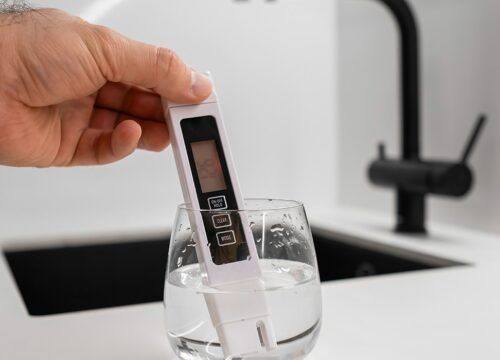
Before choosing any treatment equipment, it helps to understand the problem first. A water test can reveal characteristics that aren’t obvious from appearance alone.
Hard water, for example, can leave white scale around faucets and showerheads. Sediment may cause cloudy water or affect fixtures. Other concerns may involve taste, odor, or specific contaminants.
This is where Water Treatment Solutions You Can Count On should begin—with information rather than guesswork. Once you know what’s in the water, it becomes much easier to determine whether filtration, softening, or another treatment method is appropriate.
It sounds simple, but this step can save homeowners from spending money on equipment they don’t actually need.
Why Water Quality Matters Every Day
Water isn’t used only for drinking. Think about how many times your household relies on it throughout a normal day.
You shower in it. You cook with it. You wash clothes and dishes with it. Your water heater, dishwasher, washing machine, and other appliances depend on it, too.
When treatment is properly matched to the water, the goal is fresh, clean, and healthy water throughout the areas where it’s needed. Better water quality can also help reduce mineral buildup and unwanted odors, making everyday chores a little less frustrating.
Nobody gets excited about cleaning scale from a faucet. If you’ve done it repeatedly, though, you know how quickly that little chore becomes annoying.
Hard Water Can Quietly Create Problems
Hard water is one of the most common reasons people consider treatment. Calcium and magnesium can build up over time, leaving deposits on fixtures and inside plumbing.
You might notice white spots on glasses after washing them. Shower doors can become covered in mineral residue. Soap may seem harder to rinse away. Water heaters and other appliances can also develop scale.
A water softener can help in situations where hardness is the primary issue. But it’s important not to assume that every water problem is caused by hard water. Testing provides a better answer.
Filtration Isn’t One-Size-Fits-All
There are many different types of filtration systems available, and they don’t all do the same thing.
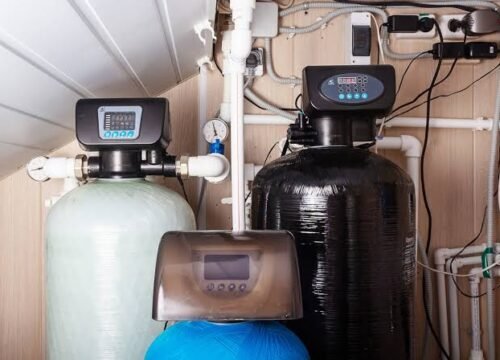
Some filters are designed to reduce sediment. Others can target chlorine, odors, or specific contaminants. Reverse osmosis systems work differently again and are often used for targeted drinking-water treatment.
The right choice depends on your water quality, household size, daily usage, and what you actually want to improve.
Going with the biggest or most complicated system isn’t necessarily the smartest move. A properly sized system designed around a specific need can be more practical, easier to maintain, and less expensive over time.
Protecting More Than Your Drinking Water
Good water treatment can benefit your plumbing and appliances as well.
Mineral deposits can accumulate inside water heaters, washing machines, dishwashers, and other equipment. While treatment won’t eliminate the need for normal appliance maintenance, reducing certain water-related problems may help protect equipment from unnecessary buildup.
For homeowners, this can translate into fewer cleaning headaches and potentially better long-term performance from water-using appliances.
It’s one of those benefits you may not notice immediately. But after a few years, the difference can become pretty obvious.
Maintenance Is Part of the Solution
Even the best treatment system needs regular care. Filters don’t last forever, membranes eventually need replacement, and mechanical components can wear down.
Ignoring maintenance is an easy mistake. Everything seems fine, so why bother checking it? Then one day the water pressure changes or the taste isn’t quite right, and suddenly you’re dealing with a problem that might have been prevented.
Keep track of filter replacement dates and follow the manufacturer’s recommendations. If your system uses salt, check the levels regularly. Watch for leaks, unusual sounds, or changes in water quality.
A few minutes of attention now can save a much bigger headache later.
When Professional Advice Is Worth It
Water treatment can become confusing quickly. There are plenty of products, technologies, and claims competing for your attention.
A knowledgeable professional can help simplify the process. They can review water test results, evaluate the existing plumbing, consider your household’s usage, and recommend treatment based on actual conditions.
That’s especially helpful when the problem isn’t obvious. Strange taste, staining, or low pressure can have several possible causes, and replacing equipment blindly isn’t a great strategy.
The best advice should help you understand why a particular system is being recommended—not just tell you what to buy.
Trust Comes From Consistency
A water treatment company earns trust through more than a good installation. Reliability matters over time.
Homeowners want equipment that works, technicians who communicate clearly, and support when maintenance or repairs are eventually needed. Nobody wants to be left searching for answers when a system stops working on a Sunday morning.
Good service should provide pure trust in every drop, not through a slogan alone, but through dependable workmanship, honest recommendations, and attention to the details that matter.
That’s what turns a one-time purchase into a long-term relationship.
Making the Right Choice for Your Home
Choosing a water treatment system doesn’t have to be overwhelming. Start with testing. Identify the actual issue. Consider your household’s needs and budget, then compare solutions that address the problem directly.
Don’t be pressured into buying more technology than you need. At the same time, don’t choose a system simply because it’s the cheapest option. Installation, replacement filters, maintenance, operating costs, and expected lifespan all matter.
The goal is balance—a system that performs well without becoming another complicated thing you have to worry about.
Better Water Starts With a Thoughtful Choice
Water treatment is ultimately about improving something you use every single day. When the right system is installed and properly maintained, the benefits can be surprisingly simple: better-tasting water, cleaner fixtures, protected appliances, and fewer unpleasant surprises.
You don’t need to become a water-treatment expert overnight. Just start by understanding your water and getting advice based on facts rather than assumptions.
Because when you can turn on the tap without wondering what’s coming out, there’s a certain peace of mind in that. And sometimes, the best improvements at home are the ones you barely notice—because they’re quietly doing their job, day after day.