Cleaner Water, Better Living: Choosing the Right Filtration and Softening System
Water is one of those things we rarely think about until something goes wrong. A strange taste in the glass, white spots around the faucet, dry-feeling skin after a shower, or scale collecting inside an appliance can all be little signs that your water needs more attention.
The good news is that improving household water quality doesn’t always mean making your routine complicated. The right treatment system can make everyday water cleaner, more pleasant, and easier to manage. But choosing that system requires understanding what’s actually in your water and what you want to improve.
That’s where thoughtful water filtration & softener installation can make a noticeable difference. Filtration and softening solve different problems, and knowing the difference is the first step toward making a smart choice.
Start by Understanding Your Water
Before buying any water treatment equipment, take a closer look at your current water supply. Municipal water and well water can have very different characteristics. Even homes in the same neighborhood may experience different issues because of plumbing materials, household usage, or local water conditions.
Hard water is one of the most common concerns. It contains minerals such as calcium and magnesium. These minerals aren’t usually considered a health threat at typical levels, but they can create plenty of household headaches.
You may notice chalky deposits on showerheads, cloudy glassware, stiff laundry, or reduced efficiency in water heaters. Soap can also struggle to lather properly, leaving skin feeling a little less comfortable after bathing.
Other concerns are different altogether. Chlorine, sediment, unpleasant odors, certain metals, and other contaminants may affect taste, smell, or overall water quality. That’s why a water test is worth considering before selecting a treatment system.
What Do Water Softeners Actually Do?
If hard water is the main issue, water softeners can be an effective solution. Unlike a standard filter, a softener is designed primarily to reduce hardness minerals through a process called ion exchange.
In simple terms, the system exchanges calcium and magnesium ions for sodium or potassium ions. The result is water with fewer hardness minerals moving through your plumbing.
That can have practical benefits around the house. Less mineral buildup may help protect fixtures and appliances, while soaps and detergents can work more effectively. You might also spend less time scrubbing those stubborn white marks from faucets and shower doors.
Still, a softener isn’t a universal water purifier. It doesn’t automatically remove every contaminant or improve every aspect of water quality. If your concern is chlorine, sediment, or certain dissolved contaminants, filtration may be needed as well.
Think of it this way: softening tackles hardness, while filtration tackles specific unwanted substances. Sometimes you need one. Sometimes the best setup uses both.
Why Filtration Matters
Water filtration can be surprisingly versatile. Different filters are designed to target different problems, so the technology should match the water issue rather than simply following a trend.
Sediment filters, for example, can capture particles such as sand, dirt, and rust. Activated carbon filters are commonly used to reduce chlorine, odors, and certain organic compounds, which can make tap water taste and smell better.
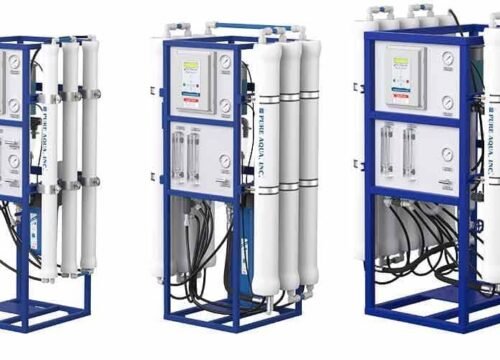
More advanced filtration technologies can address additional contaminants, depending on the system. Reverse osmosis, for instance, is often used at the point of use when homeowners want highly treated drinking water.
This is one reason there’s no single “best” filtration system for every household. A family dealing with unpleasant taste has different needs from someone concerned about heavy metals or well-water sediment.
Testing the water first helps avoid spending money on equipment that doesn’t solve the actual problem.
Should You Treat the Whole House?
A point-of-use filter can be useful for drinking and cooking, but it only treats water at a specific faucet. If you want treated water throughout the property, a different approach may make more sense.
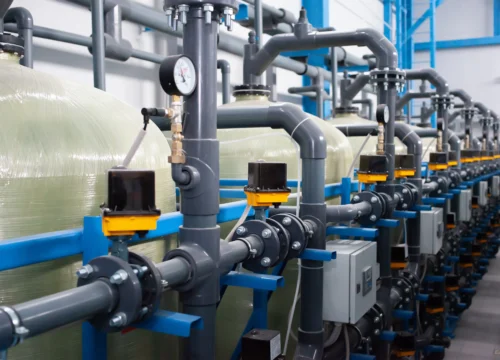
A whole home filtration system is installed at the main water entry point so water can be treated before it travels through household plumbing. That means showers, sinks, laundry connections, and other fixtures can all receive treated water.
This can be particularly appealing when the goal goes beyond drinking water. Maybe you dislike the chlorine smell in your shower, or perhaps sediment is affecting several fixtures rather than just the kitchen faucet.
Whole-house treatment also offers convenience. You don’t have to remember which faucet has a filter or replace multiple small cartridges scattered around the house.
Of course, whole-home systems can be more expensive and may require professional installation and ongoing maintenance. The investment makes the most sense when the water issue affects the household broadly.
Combining Filtration and Softening
For some homes, combining technologies provides a more complete approach. A softener can handle hardness minerals while a filtration stage addresses sediment, chlorine, odors, or other targeted concerns.
The exact setup depends on the water source and test results. A typical system might include sediment filtration first, followed by carbon filtration and then a water softener. Other homes may need reverse osmosis specifically for drinking water.
There’s no prize for having the most complicated system. In fact, unnecessary equipment can mean higher upfront costs, more maintenance, and more parts that eventually need attention.
The better goal is simple: treat the water you actually have.
Don’t Forget Maintenance
Even a high-quality water treatment system needs regular care. Filters eventually become saturated, softener systems require salt or potassium chloride replenishment where applicable, and components should be checked periodically.
Ignoring maintenance can reduce performance and, in some cases, create entirely new water-quality concerns. A filter that’s overdue for replacement isn’t doing much good.
It’s helpful to keep a simple maintenance schedule. Write down when filters were changed, when the softener was serviced, and when water testing was last performed. It takes only a few minutes, but it can prevent the classic “I’ll remember that later” problem.
Professional servicing can also be worthwhile, particularly for whole-home systems or equipment connected directly to the main plumbing.
Choosing the Right System for Your Home
Cost matters, but it shouldn’t be the only deciding factor. Look at the system’s capacity, filtration technology, installation requirements, maintenance needs, and expected lifespan.
Ask a few practical questions before committing:
- What contaminants or minerals are actually present?
- Is the problem throughout the home or only at one faucet?
- How much water does the household typically use?
- What replacement parts or filters will be needed?
- Does the system require professional installation?
- What ongoing costs should you expect?
A reputable water treatment professional should be willing to explain the answers rather than simply pushing the most expensive equipment.
A Small Upgrade That Can Change Everyday Life
Good water treatment isn’t about chasing perfectly pure water for the sake of it. It’s about making your home’s water better suited to the people who use it every day.
Cleaner-tasting drinking water, fewer mineral deposits, better-performing appliances, and a more comfortable shower may sound like small improvements. But small improvements add up when you experience them morning after morning.
The smartest approach is to test your water, identify the real problem, and choose treatment technology accordingly. Whether you need a simple drinking-water filter, a softener for hard water, or a comprehensive whole-home setup, the right solution should make life easier—not more complicated.
After all, water treatment should quietly do its job in the background. You shouldn’t have to think about it every time you turn on the tap.