A Simpler Way to Get Better Water Throughout Your Home
Water is one of those everyday essentials we rarely think about until something goes wrong. Maybe the shower leaves a chalky film on the glass. Perhaps the kitchen faucet develops stubborn stains, or the water suddenly tastes a little different. Sometimes the problem is obvious. Other times, you just have a nagging feeling that your household water could be better.
That’s where a thoughtful approach to water treatment can make a difference. Instead of treating only one faucet or one appliance, homeowners can look at the quality of water throughout the property and decide whether a broader solution makes sense.
The goal isn’t to chase perfectly purified water. It’s to create water that works well for your household, protects plumbing and appliances, and supports everyday comfort.
What Is Whole-Home Water Filtration?
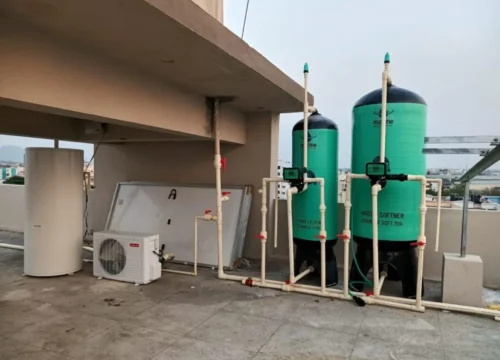
Whole home filtration systems are designed to treat water as it enters the house, rather than filtering it only at a single drinking-water faucet.
That distinction is important.
A point-of-use filter might improve the taste of kitchen water, but it doesn’t affect the water flowing through the shower, washing machine, bathroom faucets, or water heater. A whole-home setup takes a more comprehensive approach by treating the incoming supply before it travels through the home’s plumbing.
Depending on the equipment, these systems can target sediment, chlorine, certain chemicals, odors, and other water-quality concerns. However, no single filter removes everything, so the system should always be selected according to actual water-test results.
Why Treating Water at the Entry Point Can Help
Think about how many times water is used in your house every day. It’s not just for drinking.
You shower in it. You wash your hands, clothes, dishes, and floors with it. You fill pots, make coffee, brush your teeth, and run appliances with it.
If the incoming water contains excessive sediment, unpleasant odors, or other substances you want to reduce, those characteristics travel throughout the plumbing.
Treating water at the point where it enters the home can provide a more consistent approach. Instead of remembering which faucet has a filter and when its cartridge needs replacing, the household water supply is addressed more broadly.
Of course, the exact benefits depend on the water source and the filtration technology installed.
Clean Water Is About More Than Drinking
The phrase clean healthy water often brings drinking water to mind, and that’s understandable. But water quality affects the entire household.
Hard water, for example, can create mineral deposits on shower doors, faucets, and fixtures. Over time, scale may also accumulate inside water heaters and appliances. Sediment can clog aerators and contribute to cloudy water.
Chlorine can be noticeable through taste or odor, particularly for people who are sensitive to it. Certain water-quality issues may also affect laundry, leaving fabrics looking dull or creating persistent odors.
A suitable treatment system can help address these everyday annoyances. It won’t eliminate every maintenance task, but it may make the water easier to live with.
Start With Testing, Not Guesswork
One of the easiest mistakes homeowners make is choosing equipment before understanding the water.
It’s easy to see a product advertised as a solution for “bad water” and assume it will solve whatever is happening at home. But water chemistry varies dramatically between locations.
A private well may have high iron or manganese. Another property might struggle primarily with hardness. Municipal water may have chlorine or sediment concerns. In some cases, several issues can exist together.
Testing gives you a baseline.
A useful water analysis may examine pH, hardness, iron, manganese, turbidity, total dissolved solids, chlorine, bacteria, nitrates, and other parameters depending on the water source and local concerns.
Once you know what’s actually present, choosing treatment becomes much more straightforward.
Is a Complimentary Water Test Worth It?
Some water-treatment providers offer a complimentary test to help homeowners understand common water-quality characteristics.
That can be a convenient place to start, especially if you have never tested your household water before. Still, it’s worth asking what the test actually measures.
A basic screening isn’t necessarily equivalent to a comprehensive laboratory analysis. If you’re concerned about a specific health-related contaminant, professional laboratory testing may be appropriate.
Ask about the parameters included, how the sample is collected, and how the results will be explained. A trustworthy provider should be comfortable discussing the findings without turning the appointment into a hard-sell presentation.
Good information is more valuable than a sales pitch.
Choosing the Right Filtration Technology
There are plenty of filtration technologies available, and this is where things can get confusing.
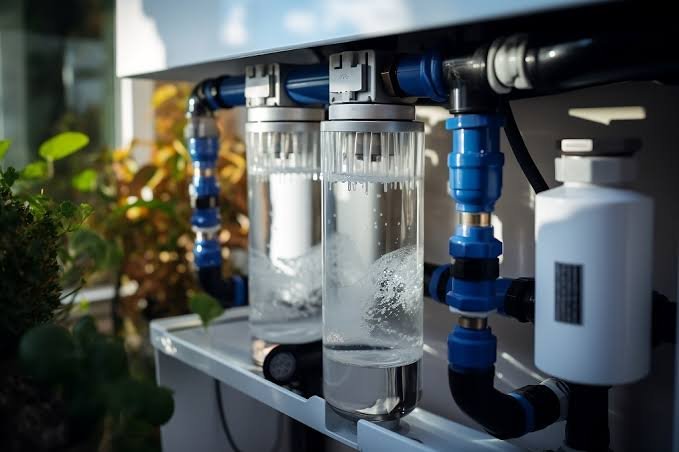
Activated carbon is commonly used to improve taste and reduce chlorine and certain organic compounds. Sediment filters can capture particles such as sand, rust, and silt. Water softeners are designed primarily to reduce hardness rather than act as general-purpose filters.
Reverse osmosis systems can provide highly treated water at specific points of use, while ultraviolet systems may be used for microbial control under appropriate conditions.
The best setup isn’t necessarily the one with the most stages. It’s the one that matches the water.
A professional assessment can help determine whether you need one treatment method or a combination.
Maintenance Is Part of the Solution
Installing filtration equipment is only the beginning.
Filters need to be changed. Components may need cleaning or inspection. Some systems require salt, membranes, lamps, or other consumables. Neglecting maintenance can reduce performance and sometimes create additional problems.
Keep a simple maintenance schedule. Write down when filters were replaced and check manufacturer recommendations periodically.
It sounds basic, but these little habits matter.
A well-maintained, appropriately sized system will generally be much more useful than an expensive setup that’s forgotten after installation.
When Whole-Home Filtration Makes Sense
Not every household needs whole-home filtration. If your water already meets your needs and there are no significant quality concerns, a large treatment system may be unnecessary.
However, broader filtration can be worth considering when:
- Water has noticeable taste or odor issues
- Sediment appears throughout the home
- Multiple fixtures show staining or scale
- Household appliances are affected by water quality
- You want consistent treatment at several points
- Testing identifies substances that should be reduced
- You rely on a private well and want additional treatment
The decision should ultimately come back to testing and household priorities.
Better Water Begins With Better Decisions
Water treatment doesn’t have to be complicated. The trick is to approach it logically.
Understand your water source. Test the water. Identify the issues that actually matter. Then choose equipment that addresses those issues and maintain it properly.
For some homes, that may mean a simple filter. For others, a whole-home system could be a practical long-term investment.
Either way, the goal is the same: water that feels better to use, supports your household routine, and gives you confidence in what comes out of the tap.
You don’t need to overthink every glass of water. But taking the time to understand your home’s water quality? That’s a small step that can make a surprisingly noticeable difference.